
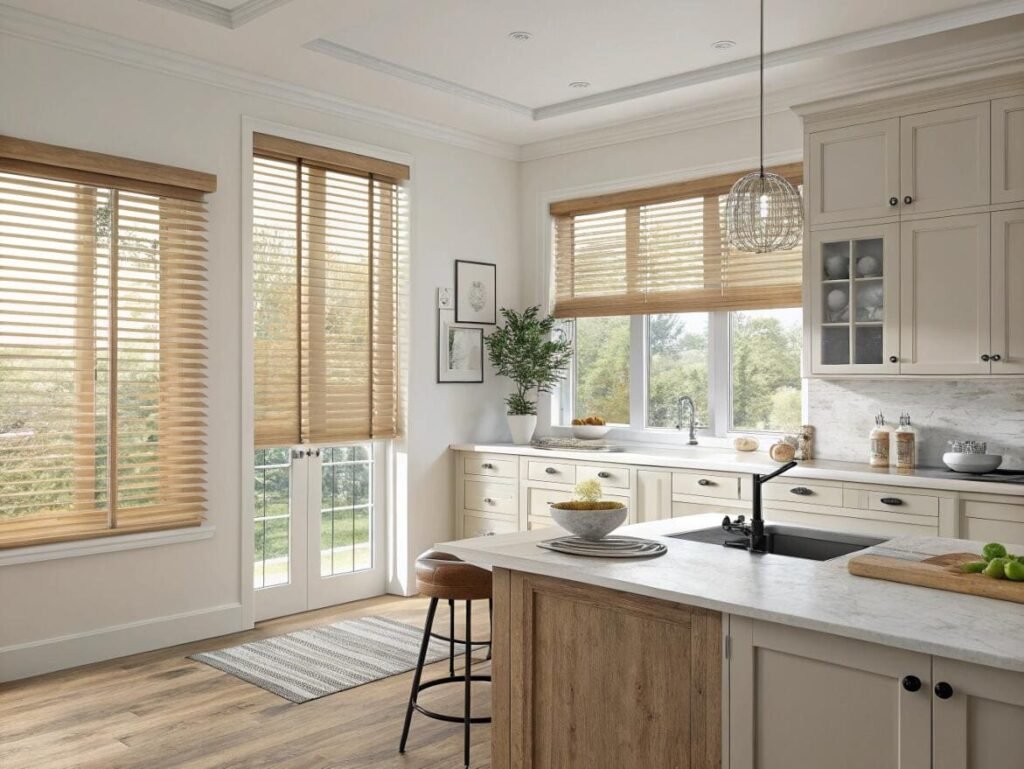
Trying to budget for blinds? You see cheap options and wonder if expensive ones are worth it, fearing a bad choice will cost you more in the long run.
Plan to budget based on long-term value, not just initial cost. Premium blinds often have a lower cost-per-year[^1] due to superior materials, construction, and a longer lifespan. Budget blinds can be a false economy, requiring replacement sooner. Focus on a 10-year investment outlook.
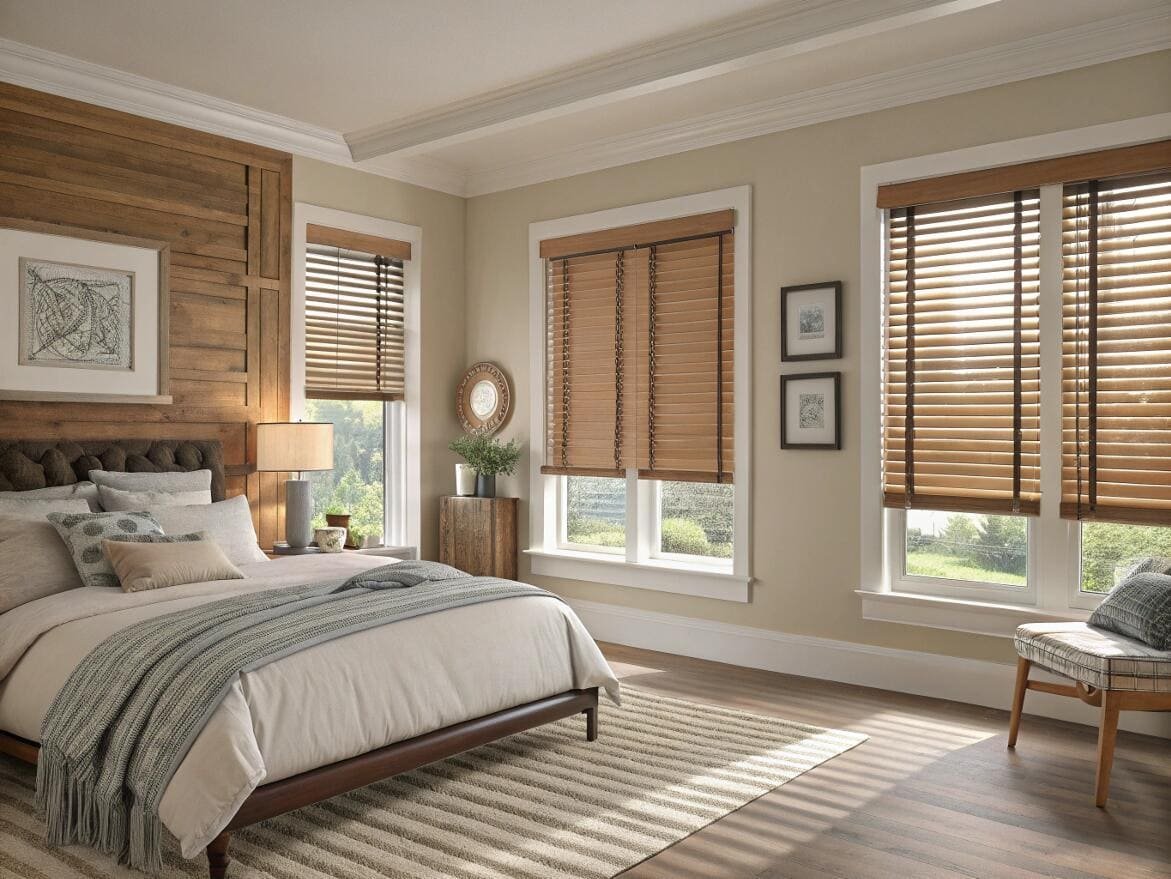
I've spent my career in the window treatment industry, and I've seen this dilemma play out on countless projects. The conversation has shifted. Smart buyers no longer just ask "How much does it cost?" They ask, "What is the total cost of ownership?" They are thinking like investment analysts, not just decorators. This guide will walk you through that same value engineering process, helping you understand where your money is really going and how to make a smart, long-term investment in your property's comfort and value.
What is the difference between cheap and expensive blinds?
You see two blinds that look similar. One is a fraction of the price of the other, and you're torn. You worry the cheaper one will break, but that the expensive one is a rip-off.
The difference is in the unseen engineering: material quality, manufacturing precision, and the mechanism's reliability. Expensive blinds use stronger components, undergo stricter quality control[^2], and offer smoother, more durable performance, resulting in a much longer, hassle-free lifespan.
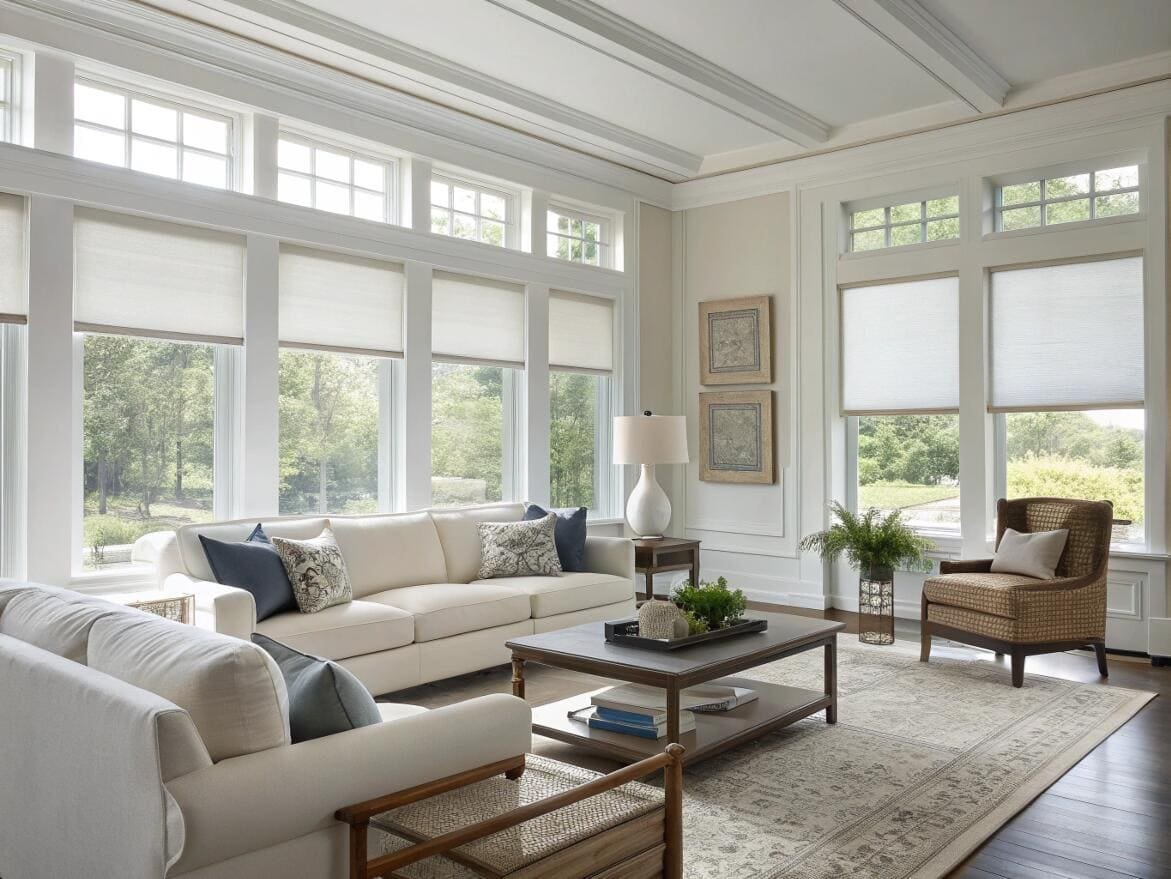
From the outside, many blinds can look alike. But as someone who deals with the mechanics every day, the real difference is in the parts you don't see. It’s like comparing two cars that look similar but have completely different engines. I always tell my clients that budget blinds are designed to hit a price point. Premium blinds are engineered to meet a performance standard. This difference shows up after a few months of daily use, when cheap plastic components start to fatigue and the lifting mechanism begins to stick or fail.
Technical Comparison: Materials and Manufacturing
| Component | Budget Blinds | Premium Blinds (VelaBlinds Standard) |
|---|---|---|
| Slat/Fabric Material | Thin PVC, low-grade recycled aluminum, basic polyester. Prone to warping, bending, and fading. | High-grade vinyl, thicker-gauge aluminum, designer fabrics with UV inhibitors. Resists warping and fading. |
| Operating Mechanism | Basic plastic gears, thin cords. Prone to sticking, jamming, and breaking under daily stress. | Precision-engineered metal or high-density polymer components. Smooth, quiet, and tested for thousands of cycles. |
| Headrail | Thin, roll-formed steel that can bend easily during installation or use. | Sturdy extruded aluminum headrail that provides robust support and prevents sagging. |
| Quality Control | Minimal, often with acceptable flaws like uneven slat spacing or cosmetic blemishes. | Multi-point inspection for function, fit, and finish. Ensures every blind meets strict performance criteria. |
| Sizing | "Cookie-cutter" standard sizes that often result in poor fit and light gaps. | Custom-made to precise measurements for a perfect fit, ensuring optimal performance and aesthetics. |
What are the most durable window blinds?
You need blinds that will last for years without any hassle. You're tired of dealing with treatments that bend, break, or fade, and you want to install something once and forget about it.
Faux wood and aluminum blinds[^3] are extremely durable, resisting moisture, warping, and bending. For any system, the quality of the headrail and lifting mechanism is critical. The most durable options are those engineered with high-grade components built for consistent, long-term commercial use.
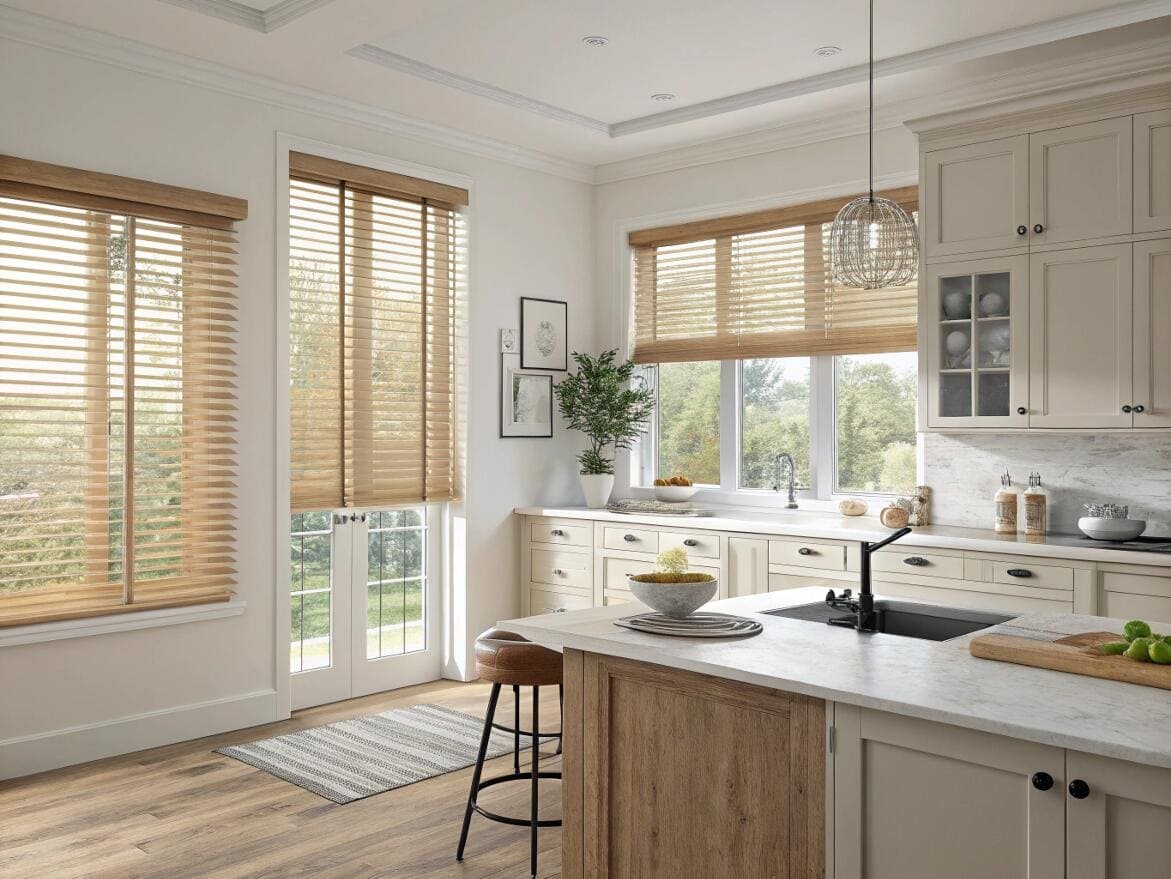
When we talk about durability, it's a two-part equation: the material and the mechanism. Faux wood is fantastic for high-humidity areas like kitchens and bathrooms because it won't warp or crack like real wood. Aluminum is lightweight and strong, making it great for large windows. But true durability comes from the engineering inside the headrail. This is where I see the biggest failure point in budget products. A $30 blind might look fine on day one, but its cheap mechanism wasn't built for a decade of daily use. A professional-grade blind is.
Cost-Per-Year Analysis: A Smarter Way to Budget
A cheap blind isn't a good value if you have to replace it multiple times. Thinking in terms of "cost-per-year of service" reveals the true investment.
| Investment Tier | Upfront Cost (per window) | Expected Lifespan | Replacements in 10 Yrs | Total 10-Year Cost | Cost-Per-Year |
|---|---|---|---|---|---|
| Budget Retail | $30 | 2-3 Years | 3-4 | $90 - $120 | $9 - $12 |
| VelaBlinds Pro | $80 | 10+ Years | 0 | $80 | ~$8 |
This simple math shows that investing slightly more upfront for a professional-grade product can actually save you money over the life of your home, not to mention the hassle of replacement.
What are the best low maintenance window treatments[^4]?
You hate cleaning blinds. The thought of wiping down every single slat makes you want to give up, and you're looking for an option that looks great without collecting a ton of dust.
Roller shades and cellular shades are the easiest to maintain. Their solid fabric surfaces don't have horizontal slats that collect dust and can be quickly cleaned with a vacuum brush or damp cloth. Vertical blinds are also a great low-maintenance option.
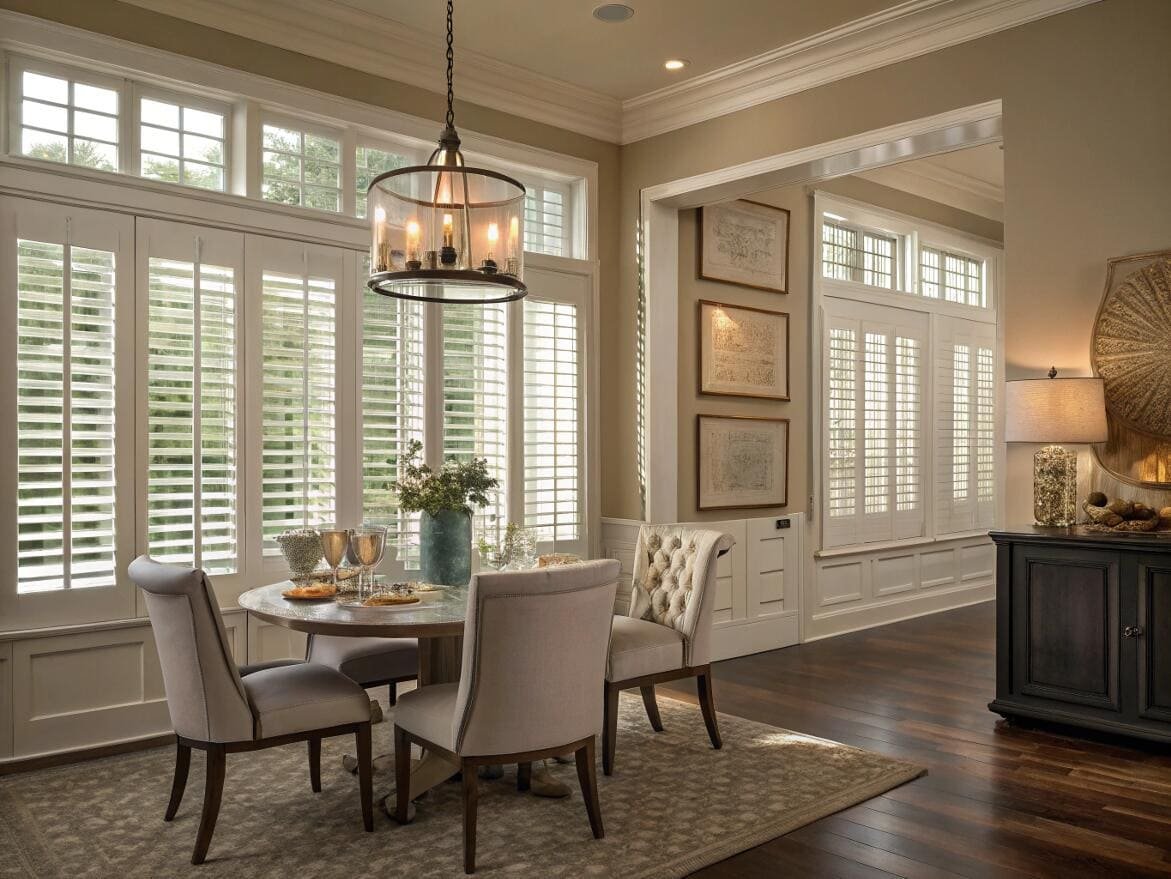
Maintenance is a hidden cost of ownership, both in time and effort. I always point this out to clients managing large residential or commercial properties. The time saved by not having to individually clean dozens or hundreds of slatted blinds is significant. That's why roller shades are a top choice for offices, rentals, and busy homes. Many modern fabrics also come with an anti-static treatment, which actively repels dust and keeps them looking cleaner for longer. This is a small feature that makes a huge difference in day-to-day life and reduces the long-term maintenance burden of the property.
What window coverings never go out of style?
You are making a significant investment in your window treatments. You want to choose something that will look just as good in ten years as it does today, avoiding trends that will quickly become dated.
Simple, high-quality roller shades[^5], neutral-colored cellular shades[^6], and classic plantation shutters[^7] are timeless choices. Their clean lines, functional design, and focus on light control allow them to blend seamlessly with any decor style, ensuring long-term aesthetic value.
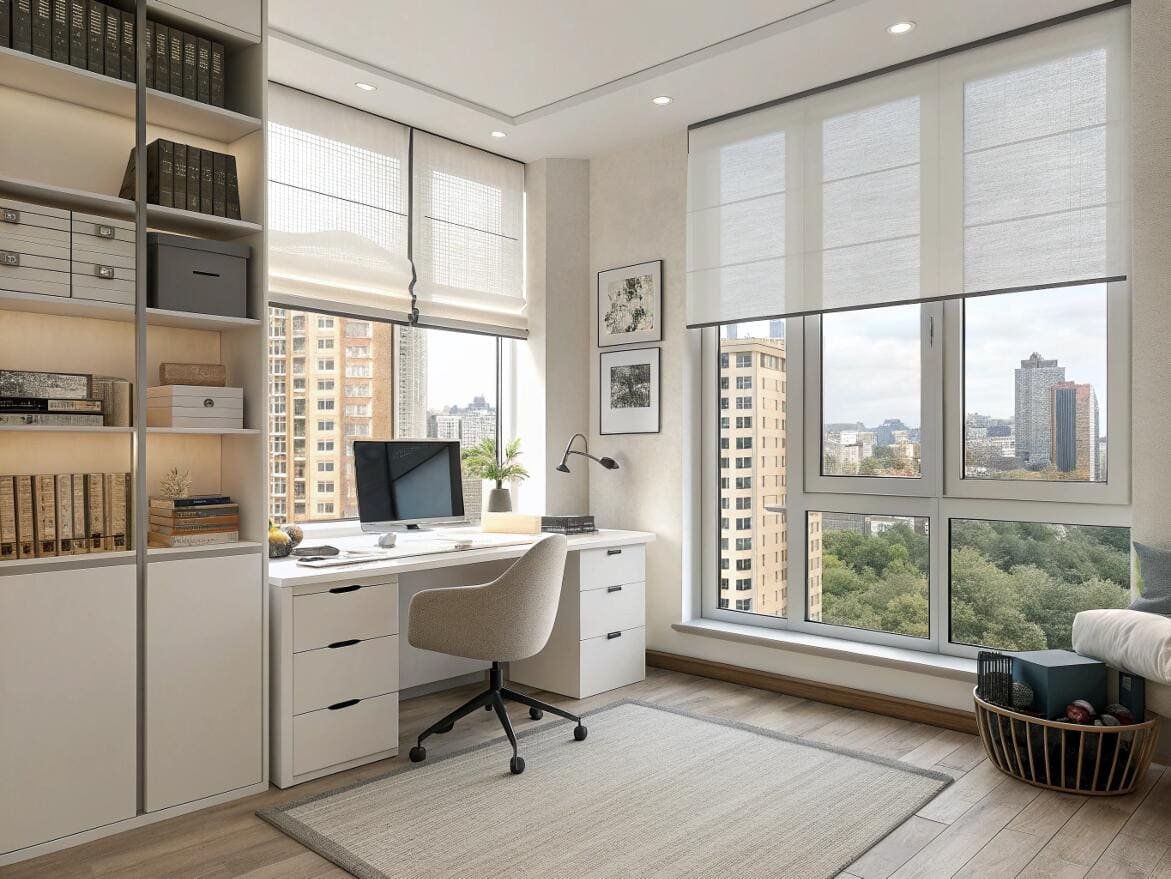
Timeless design isn't about being boring; it's about being versatile and confident. The window treatments that never go out of style are the ones that prioritize function and form without shouting for attention. I've seen interior design trends come and go, but a clean, perfectly fitted white roller shade has looked elegant through all of them. When you choose a classic design made from high-quality materials, you're not just buying a window covering; you're investing in an architectural element that will support any future design changes you make to the room. It’s the safest and smartest long-term design bet you can make for your windows.
The Principles of Timeless Window Design
- Focus on Simplicity: Clean, uncluttered lines are key. Avoid busy patterns or complex shapes that tie you to a specific trend.
- Embrace a Neutral Palette: Whites, off-whites, grays, and natural tones work with any color scheme you might choose in the future.
- Prioritize Quality Materials: A well-made blind with a premium fabric and smooth operation has a classic feel that cheap, flimsy materials can never replicate.
- Let Function Lead Form: The most timeless designs are often the ones that do their job—managing light and privacy—perfectly and without fuss.
Conclusion
Choosing blinds is an investment in your property's long-term value and daily comfort. By focusing on total cost, durability, and timeless design, you make a smarter financial decision.
---

[^1]: Calculating cost-per-year reveals the true investment and helps in budgeting effectively.
[^2]: Understanding quality control can help you choose blinds that last longer and perform better.
[^3]: Aluminum blinds are lightweight and strong, making them ideal for larger installations.
[^4]: Low maintenance options save time and effort, making them ideal for busy households.
[^5]: Roller shades are easy to clean and maintain, making them a practical choice.
[^6]: Cellular shades provide excellent insulation, helping to reduce energy costs.
[^7]: Plantation shutters offer classic design and functionality that never goes out of style.
Partner with VelaBlinds for Your Next Project
Smart window treatments shouldn't be complicated. After working with 500+ distributors and contractors worldwide, I've streamlined the process to get you quality products, competitive pricing, and reliable support - every time.
Why project professionals choose VelaBlinds:
- ✅ Fast, Accurate Quotes - Detailed specs and pricing within 24 hours
- ✅ Transparent Pricing - No hidden fees, volume discounts clearly outlined
- ✅ Quality Assurance - Direct partnerships with certified OEM manufacturers
- ✅ Project Support - Dedicated account manager from quote to delivery
Start your next project:
📧 Quick Quote: Send your requirements to info@velablinds.com
📱 Direct Contact: WhatsApp +86 137 2012 8317
🌐 Browse Solutions: https://velablinds.com/
📁 Product Resources: Access spec sheets, catalogs & project files
Paul Chen, Founder
"I built VelaBlinds to solve the real challenges I faced as a project buyer - long lead times, unclear specs, and unreliable suppliers. Let's discuss how we can power your projects with smarter blinds."
Serving distributors and contractors across North America, Europe, and Australia since 2018.