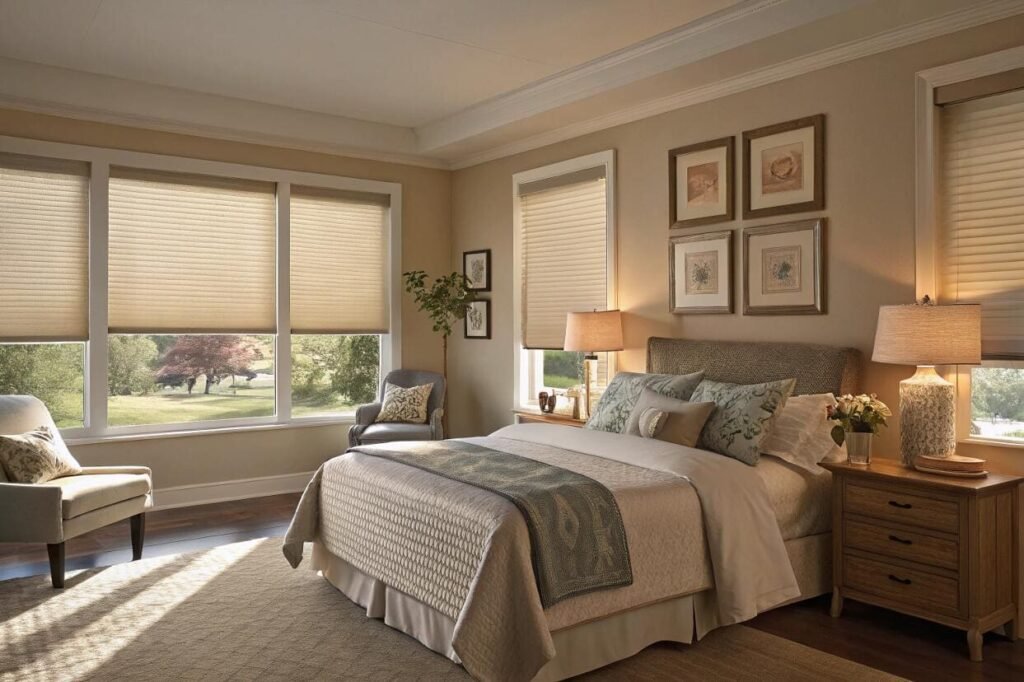
Skyrocketing energy bills have you looking at your windows. You know blinds can help, but which ones actually make a difference? Choosing the right insulating blind is key to real savings.
For pure passive insulation, honeycomb (cellular) blinds[^1] are superior due to their cellular structure that traps air, boosting R-value. However, smart roller shades provide excellent active energy efficiency by automatically adjusting to the sun, managing heat gain and loss dynamically for significant savings.
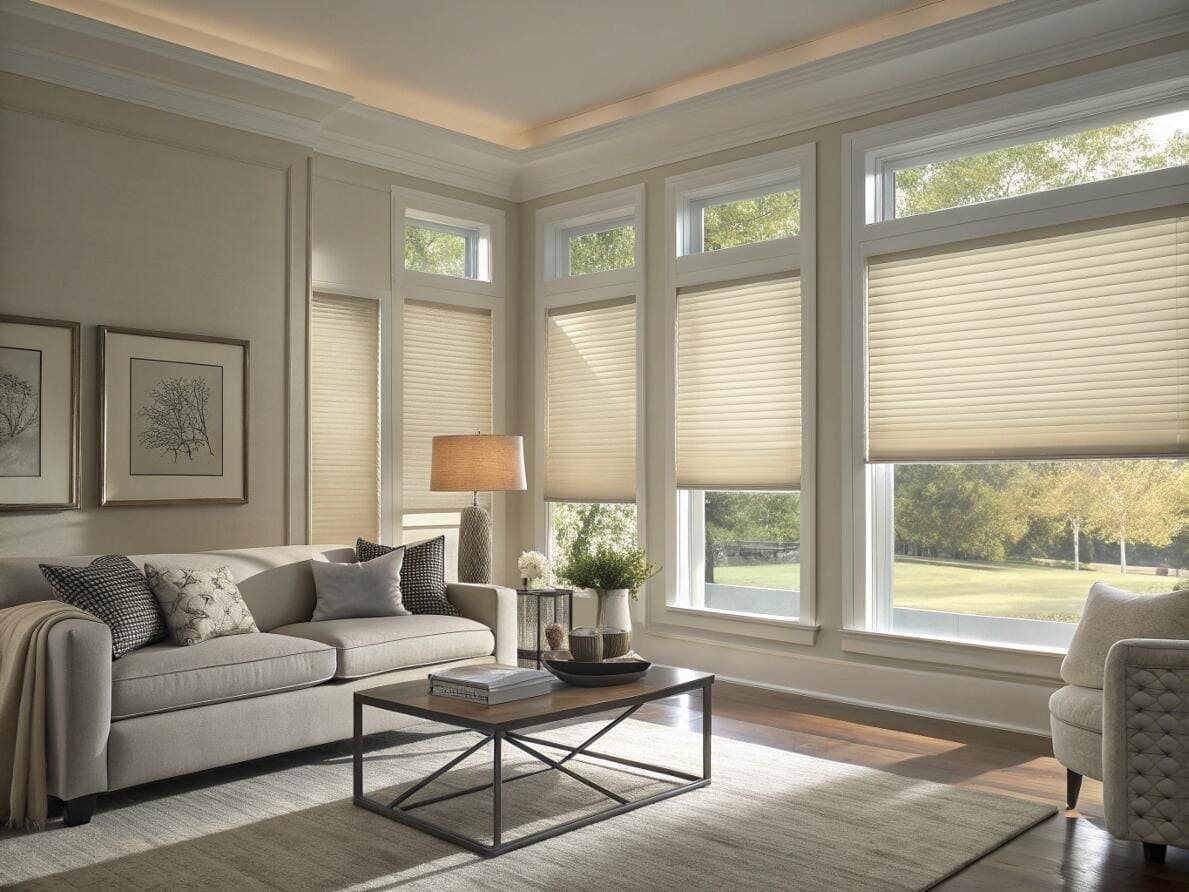
When I talk to project managers like Emma, the conversation about window treatments has shifted. It's no longer just about aesthetics; it's about building performance and investment. Clients want to know about R-values, energy savings, and even tax credits. This change reflects a deeper understanding of how window coverings function. This led me to see the choice not as fabric vs. fabric, but as a choice between two different energy-saving philosophies[^2]: the "passive insulation system[^3]" of honeycomb blinds versus the "active smart energy management[^4]" of automated roller shades. Let's break down which technological route is best for your project.
How do cellular and roller blinds insulate your home?
You want to reduce heat loss in winter and keep cool in summer, but are blinds truly effective? It seems like a thin layer of fabric can't do much against extreme temperatures.
Honeycomb, or cellular, blinds provide excellent static insulation by trapping air in their pockets, creating a thermal barrier. Roller blinds insulate by creating a single air gap, but their real power comes from smart automation, which actively manages solar heat gain throughout the day.
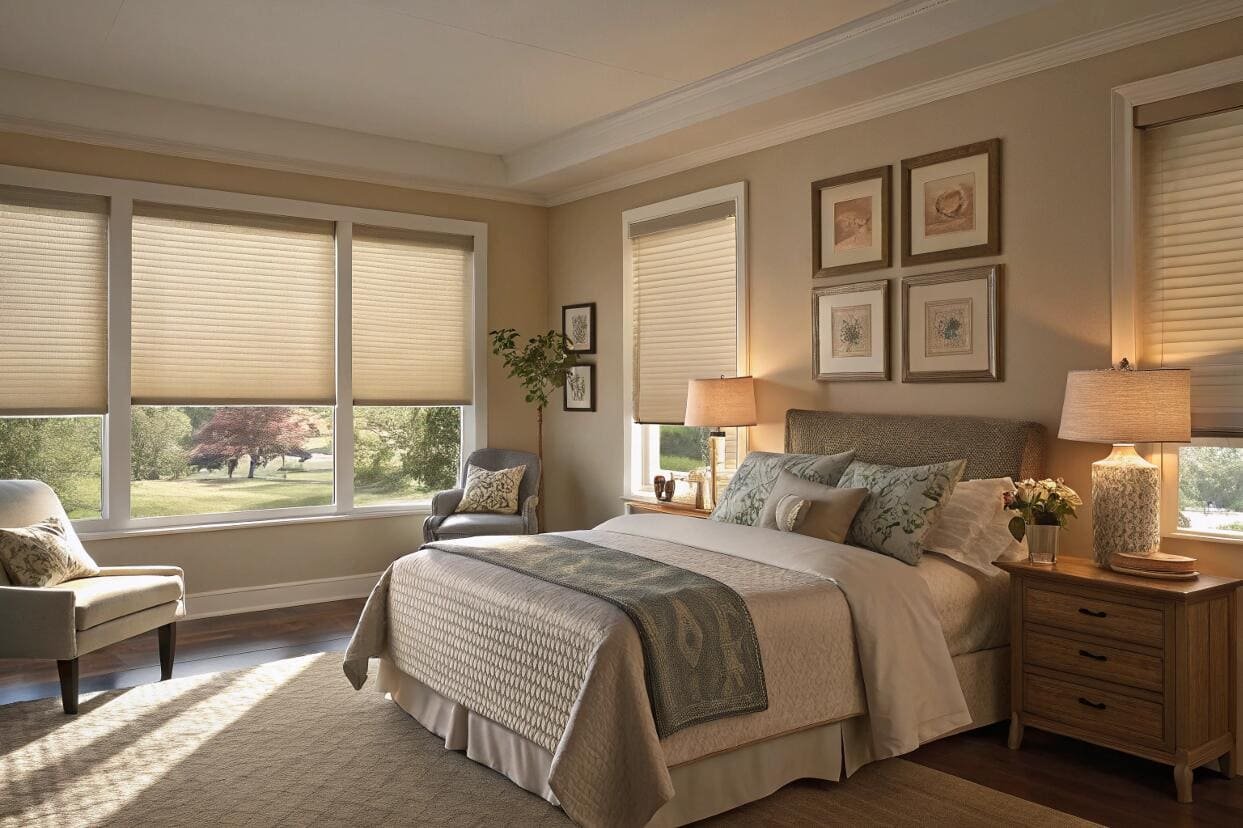
In my experience sourcing for VelaBlinds, I've come to categorize these two products by their core technology. Honeycomb blinds are a fantastic example of a passive energy-saving system. Their design is inherently insulating. The honeycomb-shaped cells trap a layer of air, which is a very poor conductor of heat. This drastically slows down heat transfer through the window, keeping your home warmer in the winter and cooler in the summer. This static insulation works 24/7, just by being there. Their effectiveness is measured in R-value[^5]—a metric for thermal resistance—and a good cellular shade can achieve an R-value between 2.0 and 5.0, which is impressive for a window covering. This makes them ideal for climates with extreme hot or cold weather where consistent, passive thermal performance is the main goal.
How do smart roller blinds provide active energy savings?
You understand how thick cellular shades insulate, but how can a simple roller shade compete? It feels like you'd be sacrificing real insulation for just a modern look.
Roller shades become a powerful insulating tool through smart automation. By scheduling them to close during the hottest parts of the day or open to catch winter sun, they actively manage a room's temperature. This dynamic system can lead to significant energy savings over time.
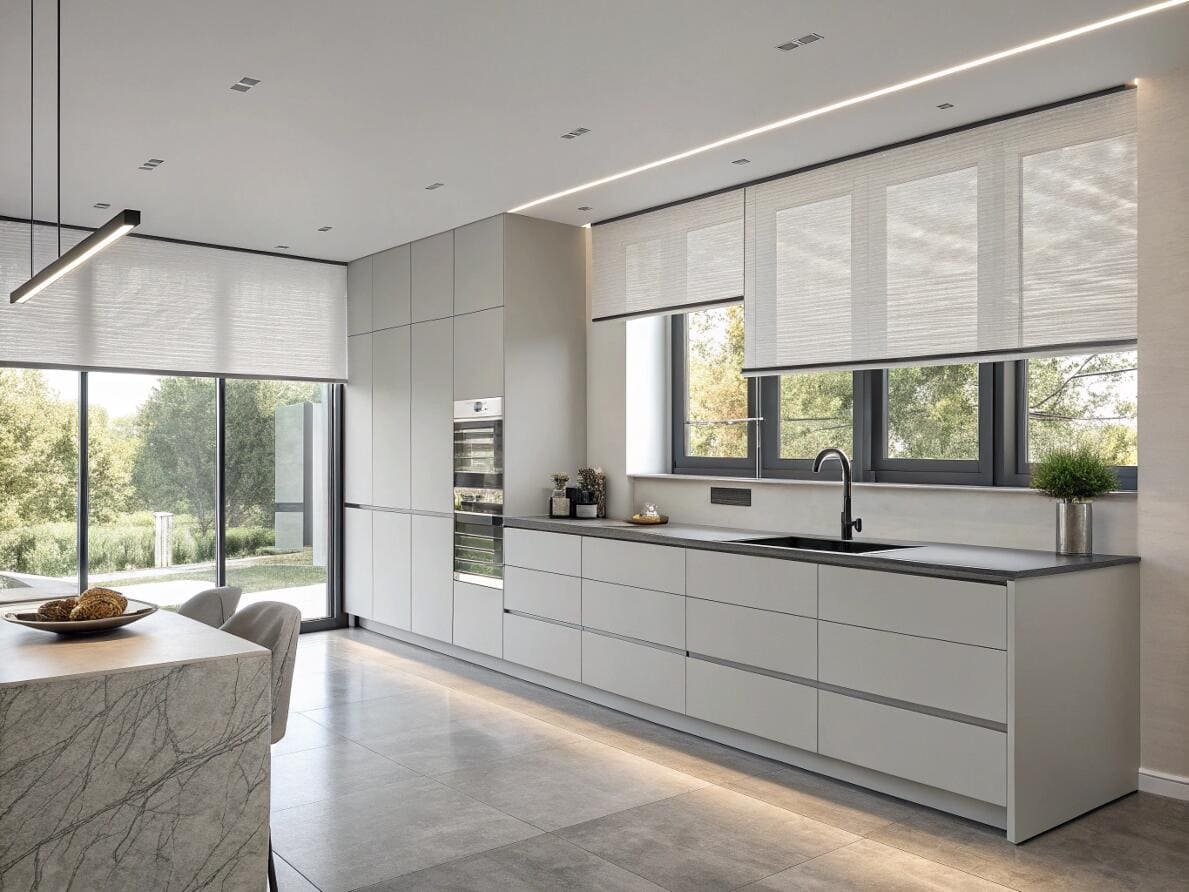
This is what I call an active smart energy system. While a standard roller shade provides a modest insulating effect by creating a single air gap, its true potential is unlocked with motorization and smart controls. Think about this: the biggest energy impact from windows isn't just constant heat loss; it's solar heat gain. With a smart system, a project manager like Emma can specify shades to automatically lower on east-facing windows in the morning and west-facing windows in the afternoon during the summer. In the winter, they can do the opposite—opening to let in the sun's natural warmth. This proactive management optimizes the building's energy use without anyone having to touch a button. It transforms the shade from a simple covering into an intelligent part of the home's climate control system, offering a faster ROI through optimized energy use.
Are energy-efficient blinds a good financial investment?
You see the benefits, but these specialized blinds cost more upfront. You need to know if the energy savings justify the price and if there are any financial incentives available.
Yes, energy-efficient blinds are a smart investment. High-performance cellular shades can pay for themselves in 3-5 years through energy savings. In some regions, they may even qualify for energy efficiency tax credits, further improving your return on investment.
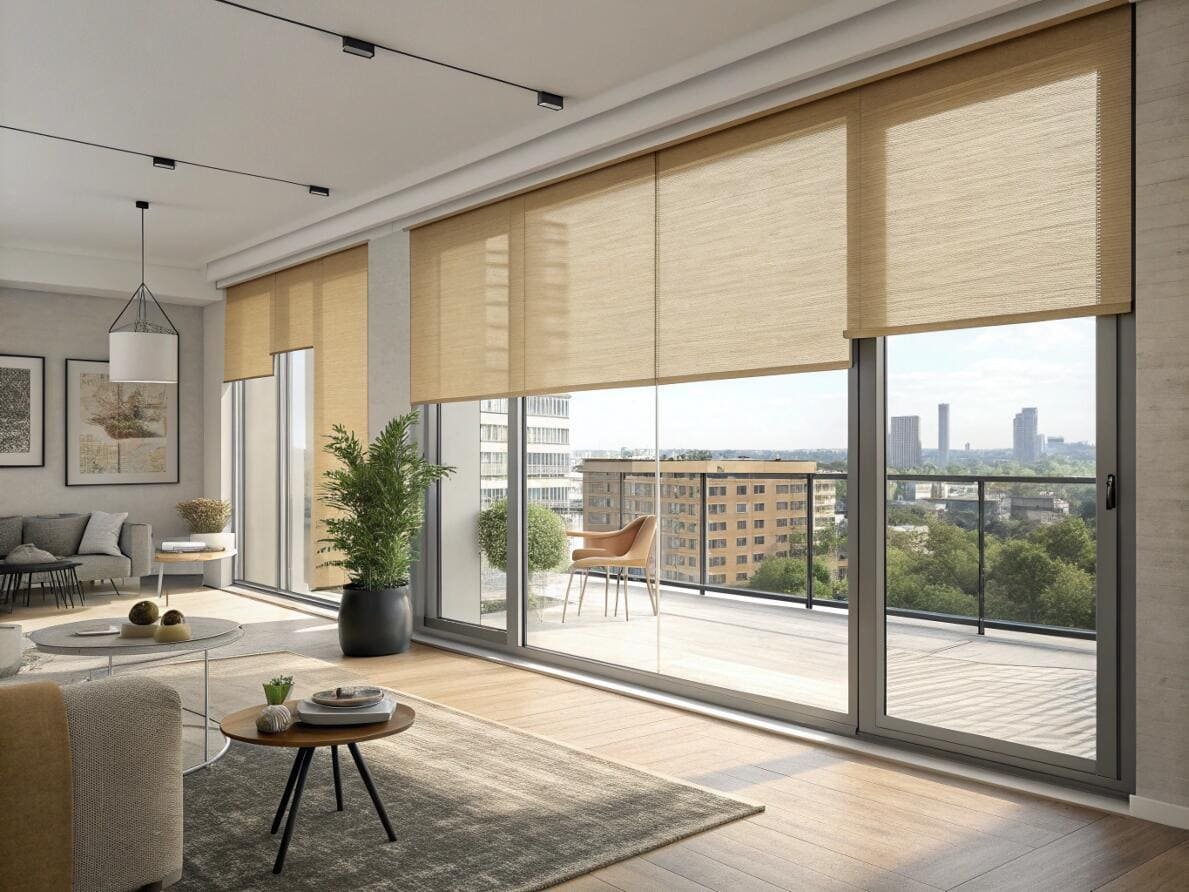
When I'm working on large commercial or residential projects, the conversation always includes a cost-benefit analysis. A key part of my job at VelaBlinds is to provide the data that helps my clients make a smart financial decision. While the initial cost of a high-R-value cellular shade is higher, the payback is clear and measurable. For a homeowner, it's lower monthly bills. For a commercial building owner, it's reduced operating costs and a potential selling point for tenants.
Regarding tax credits, it's important to check current local and federal regulations. For example, in the U.S., certain energy-efficient home improvements have historically been eligible for tax credits. These programs change, but cellular shades are often included under "insulating products." I always advise clients like Emma to consult a tax professional and check for products with a Manufacturer's Certification Statement[^6].
Here’s a look at the long-term value:
| Feature | Cellular (Honeycomb) Blinds | Smart Roller Blinds |
|---|---|---|
| Primary Savings | Reduced heating and cooling costs due to high R-value. | Optimized heating and cooling from automated solar gain management. |
| Typical Lifespan | 7-10 years with proper care. | 10+ years for shade; 5-10 years for motor. |
| Potential Tax Credits | Often qualify as an insulation product. | May qualify if part of a larger smart home energy system. |
| Investment Profile | A long-term investment in the building's passive thermal envelope. | An investment in smart technology for active energy management. |
Ultimately, both are worth the money, but for different reasons. Cellular blinds are an investment in raw thermal performance, while smart roller blinds are an investment in intelligent, automated efficiency.
Which is more insulating: blinds or curtains?
You're considering all options for insulation. Traditional curtains are often seen as a good way to block out cold, but how do they compare against modern, specialized blinds?
For pure insulation, honeycomb blinds are significantly better than most curtains. The cellular structure that traps air is far more effective at stopping thermal transfer than a simple layer of fabric, even a thick one.
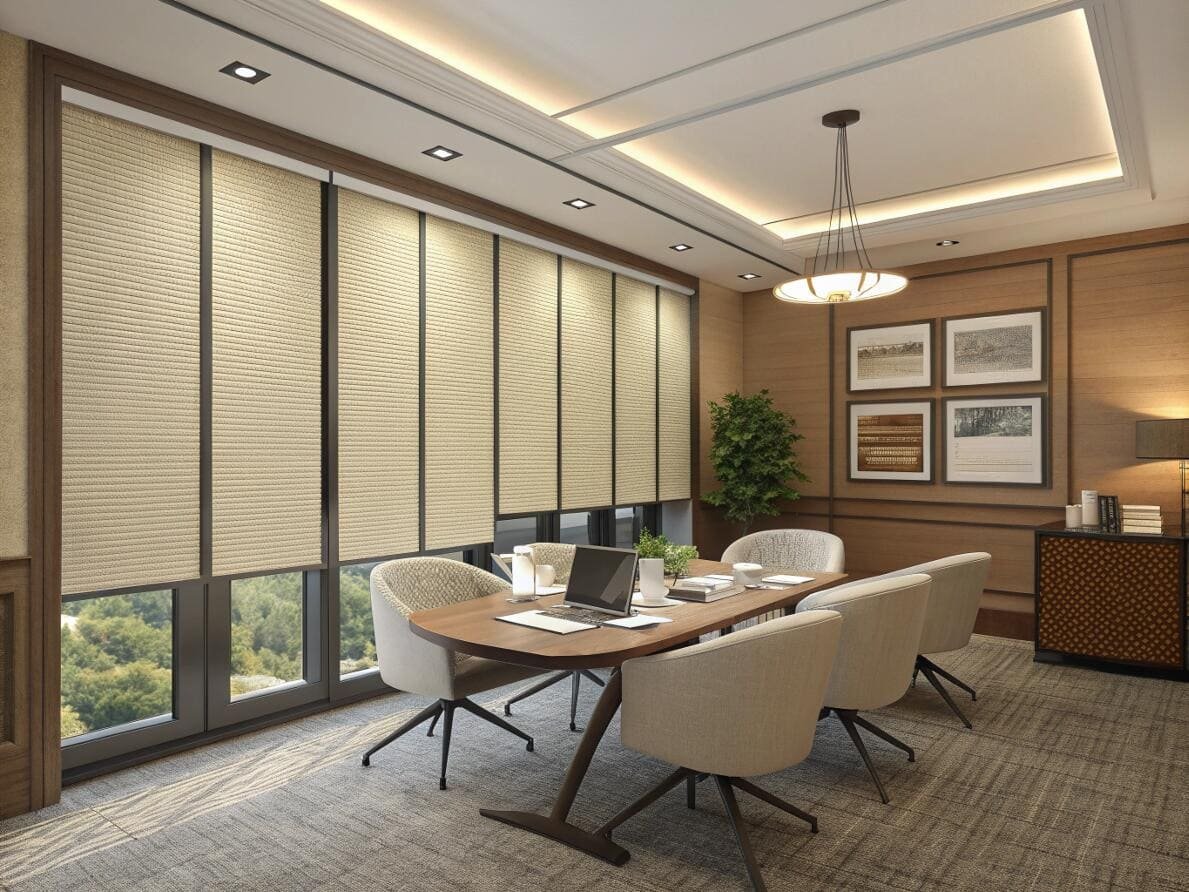
This is a question I get a lot, especially for residential projects. While a heavy, thermal-lined curtain can certainly help, it works on the same basic principle as a roller shade—creating a single pocket of air. They are often bulky and can block a radiator if it's located under the window, which is counterproductive. A honeycomb shade, however, packs incredible insulating power into a very slim profile. The double or even triple-cell designs create multiple air pockets, which dramatically increases the R-value without the bulk of a heavy drape. When you compare a high-quality cellular shade to a standard curtain, the cellular shade is the clear winner for thermal efficiency[^7].
For my clients, this often seals the deal. They can get superior energy performance without sacrificing a modern, minimalist aesthetic. Pairing a high-performance cellular shade with a decorative sheer curtain can offer the best of both worlds: top-tier insulation from the blind and a soft, stylistic touch from the curtain. But if insulation is the primary goal, the engineering of a honeycomb blind is technically superior.
Conclusion
Choosing between honeycomb and smart roller blinds is a choice between passive and active energy systems. Both offer excellent insulation and investment value, tailored to different climates, needs, and design philosophies.
---

[^1]: Explore how honeycomb blinds can significantly improve your home's insulation and energy efficiency.
[^2]: Explore various energy-saving philosophies to make informed decisions for your home.
[^3]: Understand the principles of passive insulation systems and their benefits for energy savings.
[^4]: Find out how active smart energy management can optimize your home's energy use.
[^5]: Learn about R-value and its crucial role in determining the effectiveness of insulation materials.
[^6]: Understand the significance of a Manufacturer's Certification Statement for tax credits.
[^7]: Learn about thermal efficiency and its impact on energy consumption in homes.
Partner with VelaBlinds for Your Next Project
Smart window treatments shouldn't be complicated. After working with 500+ distributors and contractors worldwide, I've streamlined the process to get you quality products, competitive pricing, and reliable support - every time.
Why project professionals choose VelaBlinds:
- ✅ Fast, Accurate Quotes - Detailed specs and pricing within 24 hours
- ✅ Transparent Pricing - No hidden fees, volume discounts clearly outlined
- ✅ Quality Assurance - Direct partnerships with certified OEM manufacturers
- ✅ Project Support - Dedicated account manager from quote to delivery
Start your next project:
📧 Quick Quote: Send your requirements to info@velablinds.com
📱 Direct Contact: WhatsApp +86 137 2012 8317
🌐 Browse Solutions: https://velablinds.com/
📁 Product Resources: Access spec sheets, catalogs & project files
Paul Chen, Founder
"I built VelaBlinds to solve the real challenges I faced as a project buyer - long lead times, unclear specs, and unreliable suppliers. Let's discuss how we can power your projects with smarter blinds."
Serving distributors and contractors across North America, Europe, and Australia since 2018.