
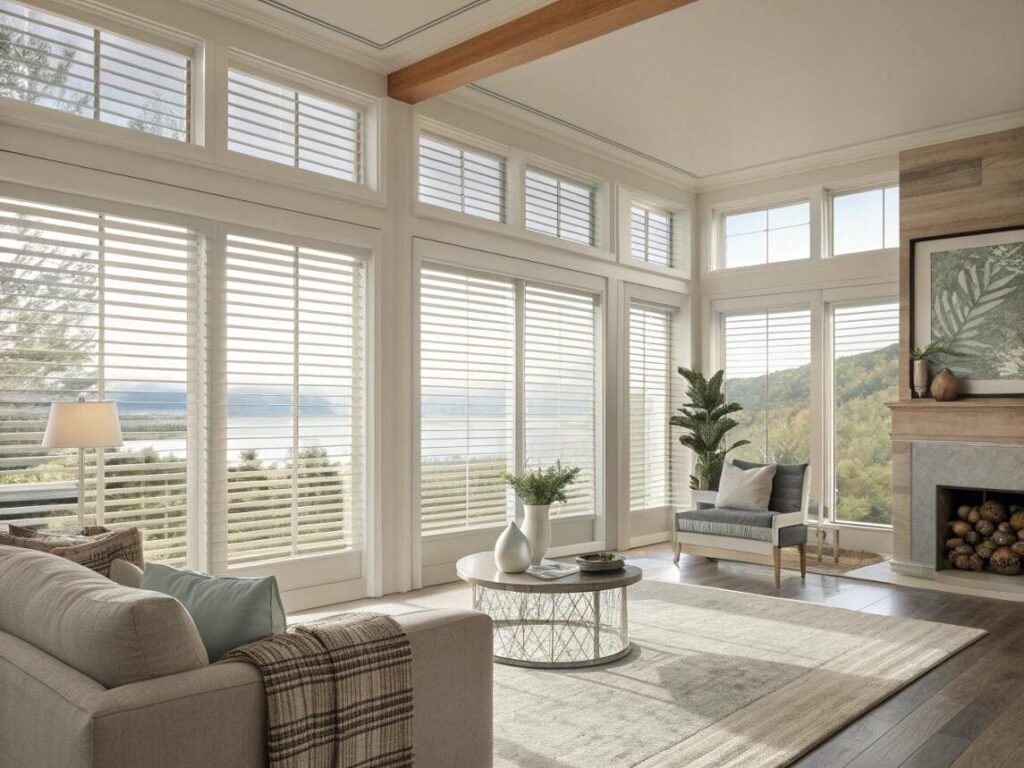
Trying to buy off-the-shelf blinds for a window replacement project can be frustrating. You're worried about getting it wrong, leading to an awkward fit or costly custom orders.
While there isn't one single most popular size, standard window widths[^1] in the US typically range from 24 to 60 inches. Consequently, the most common ready-made blind sizes[^2], such as 24x36 inches, 36x60 inches, and 48x48 inches, are designed to fit these standard openings.
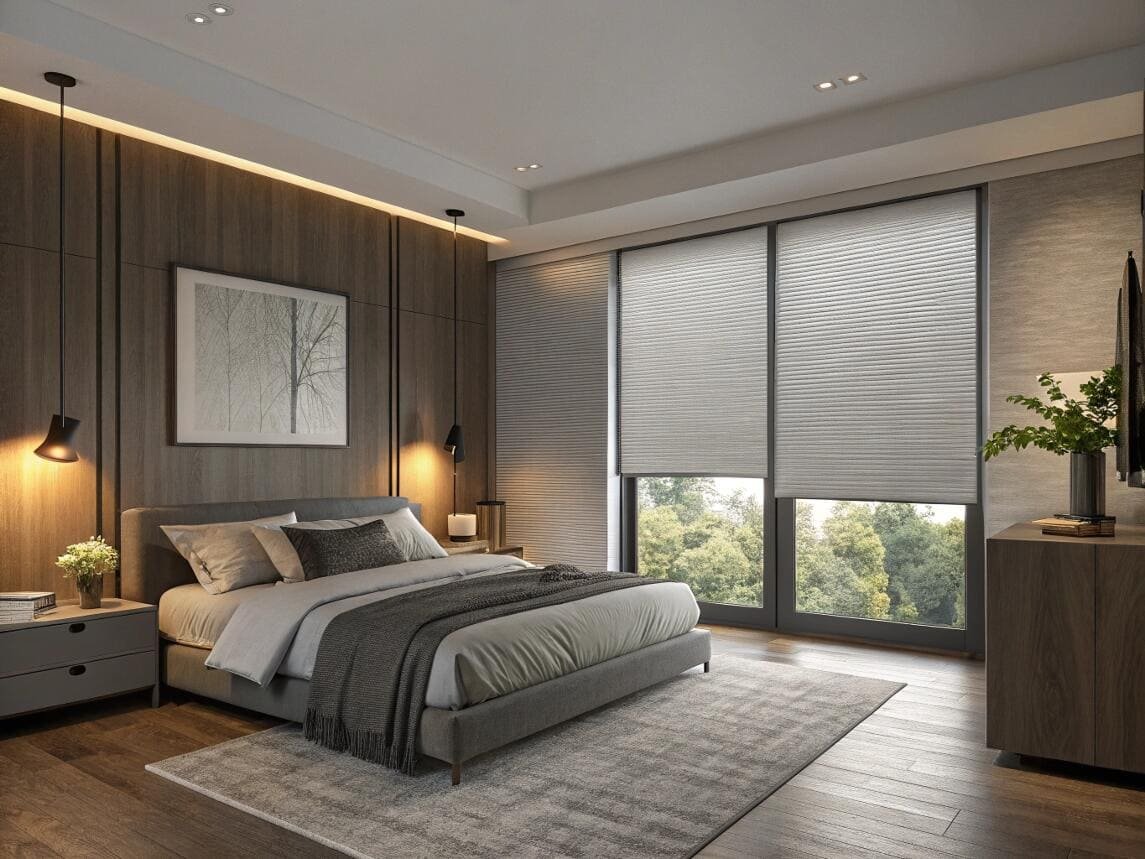
I've learned from my clients, like Emma in the US, that there's a fascinating conflict in the market. On one hand, builders and large-scale projects rely on these standard sizes for efficiency and cost savings. On the other hand, homeowners have a growing, and very personal, demand for customized privacy solutions[^3] that go beyond just fitting a hole in the wall. This is where the discussion shifts from just dimensions to the technology of the blinds themselves. Understanding both the standard sizes and the custom features is key to making the right choice.
Which is better, 2.5-inch vs. 2-inch blinds?
You're looking at wood or faux wood blinds and see options for different slat sizes, like 2-inch and 2.5-inch. You're wondering if one looks better or offers more benefits, and you don't want to make the wrong style choice.
The choice depends on your window size and desired aesthetic. Generally, wider 2.5-inch slats[^4] create a more modern, open feel with a clearer view to the outside and are best for larger windows. Traditional 2-inch slats offer a classic look that provides slightly more light control.
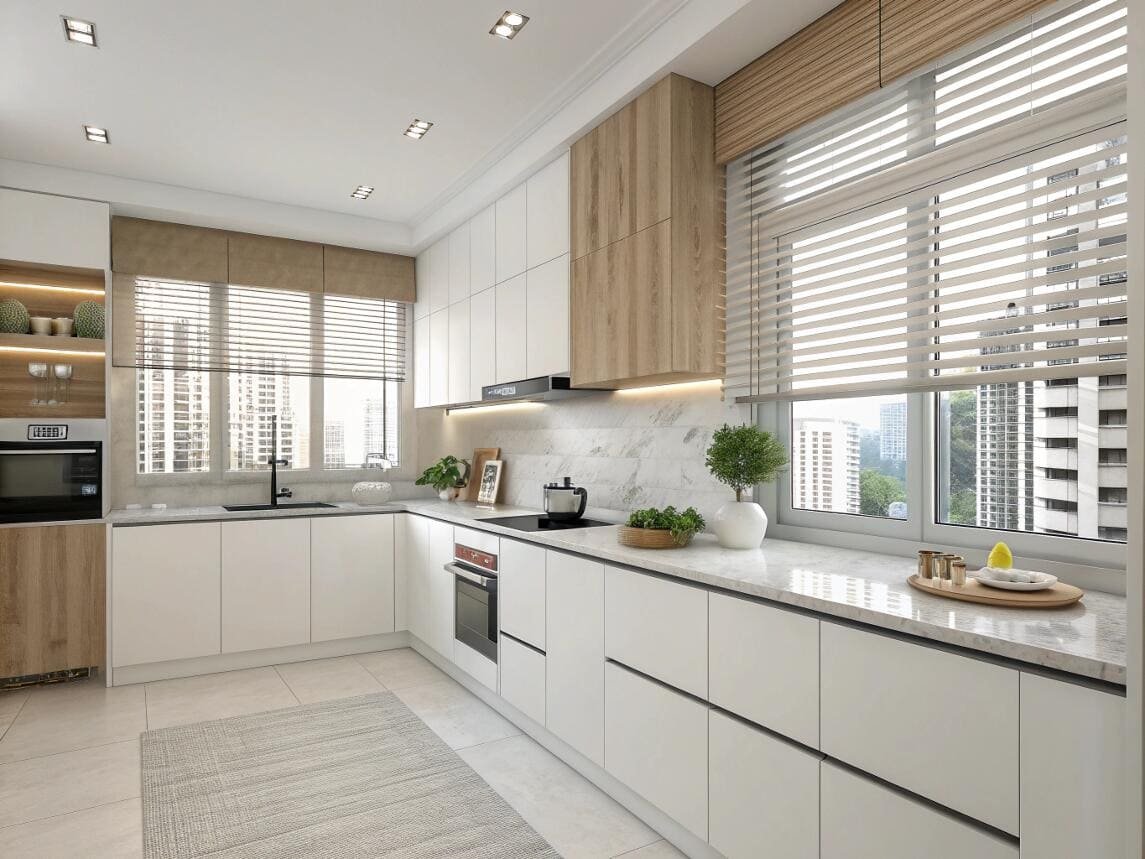
As a "Size & Privacy Specialist," I always advise clients to think about proportion. The size of the slat should complement the size of the window. Bigger slats on a large window create a balanced, contemporary look, while putting them on a small window can feel overwhelming. The current trend definitely favors wider slats, which is why 2.5-inch blinds are increasingly popular in modern homes. They offer a less "busy" appearance because there are fewer slats needed to cover the window, which enhances the view to the outside.
However, there's also a functional trade-off to consider. More slats mean more precise control. Smaller slats, like the standard 2-inch or even 1-inch options, have less space between them, which can offer better light-blocking capabilities and enhanced privacy. This makes them a solid choice for bedrooms or bathrooms where privacy is a top priority.
Slat Size Comparison
| Slat Size | Best For | View & Light | Privacy Level | Style |
|---|---|---|---|---|
| 2.5-inch | Large to mid-sized windows | More natural light, clearer view | Good when tilted, but larger gaps | Modern, bold |
| 2-inch | Mid-sized to small windows | More slats obstruct the view slightly | Very good due to smaller gaps | Classic, most common |
| 1-inch | Small, narrow windows | Most obstructed view | Excellent, less room to see through | Traditional, sleek |
What blinds give the most privacy?
You need to cover your windows, but your primary concern is ensuring no one can see into your home, especially in sensitive areas like bedrooms and bathrooms. You're looking for the most effective option.
For maximum privacy, blackout blinds and shades are the best choice because their opaque material completely blocks both light and visibility. Plantation shutters and wood blinds with a "no-holes" or routeless feature also offer excellent privacy by eliminating cord holes that people can peek through.
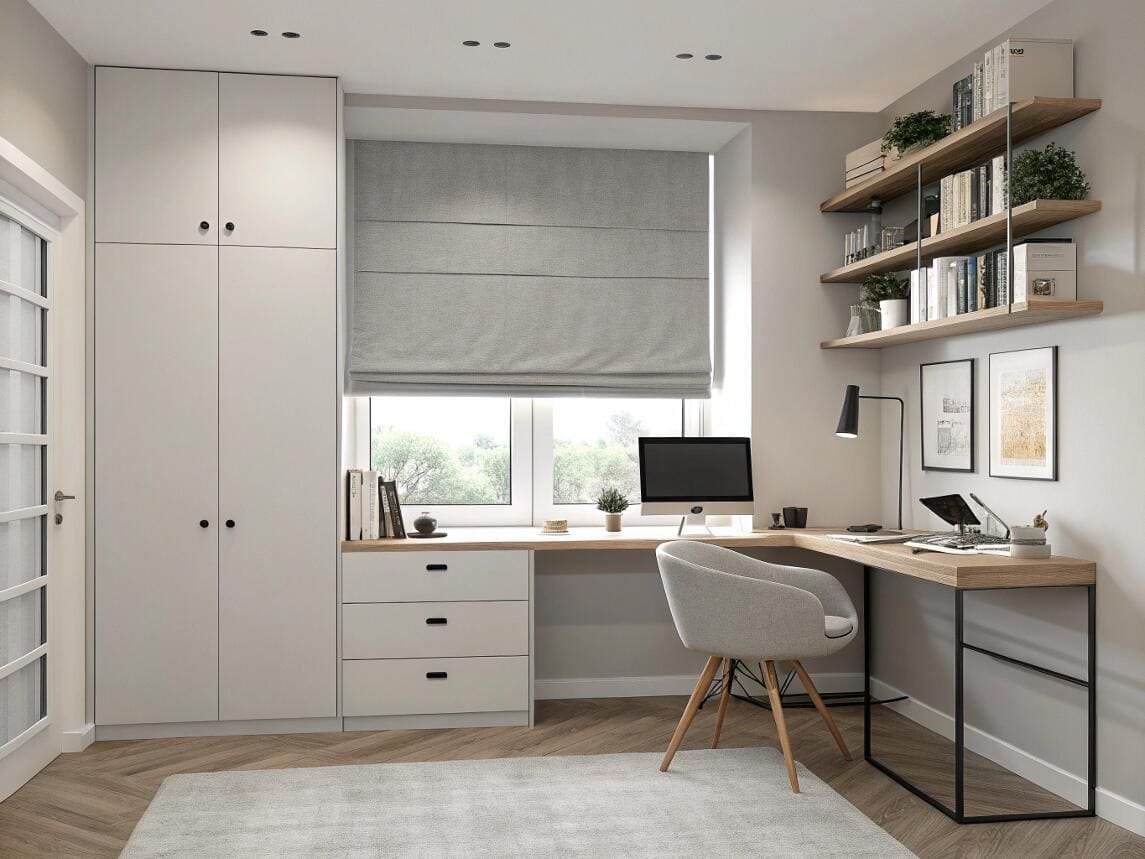
When I consult with clients, the conversation often turns into a "Privacy-First" discussion. We analyze which technology best solves their specific needs. It's not just about one product being better than another; it's about how they function. Standard slatted blinds, for instance, naturally have small gaps for cords and between the slats that can allow some light and visibility through, even when closed.
To address this, my company VelaBlinds looks at "Privacy-First" technologies.
- Blackout Materials: Shades made from a single piece of blackout fabric, like roller or cellular shades, provide a solid barrier with no gaps to peek through, offering the highest level of privacy.
- Routeless Slat Design: This is a key feature for wood and faux wood blinds. Instead of having the lift cords run through holes in the center of each slat, they are run along the front and back edges. This eliminates the small pinprick holes of light, significantly increasing privacy and light blockage.
- Cellular (Honeycomb) Shades[^5]: These shades are privacy powerhouses. Their unique honeycomb structure traps air for excellent insulation, and because they are made of solid fabric, they offer complete visual privacy. Blackout versions are essentially impenetrable to light and sight.
Can neighbors see through blinds at night?
You've closed your blinds for the night, but the glow from inside your home makes you wonder if you're actually creating a shadow puppet theater for your neighbors. You're worried about your privacy being compromised.
Yes, it is often easier to see through blinds at night when your interior lights are on. The light from inside can create silhouettes and allow people outside to see shadows and movement, especially with light-filtering or slatted blinds.
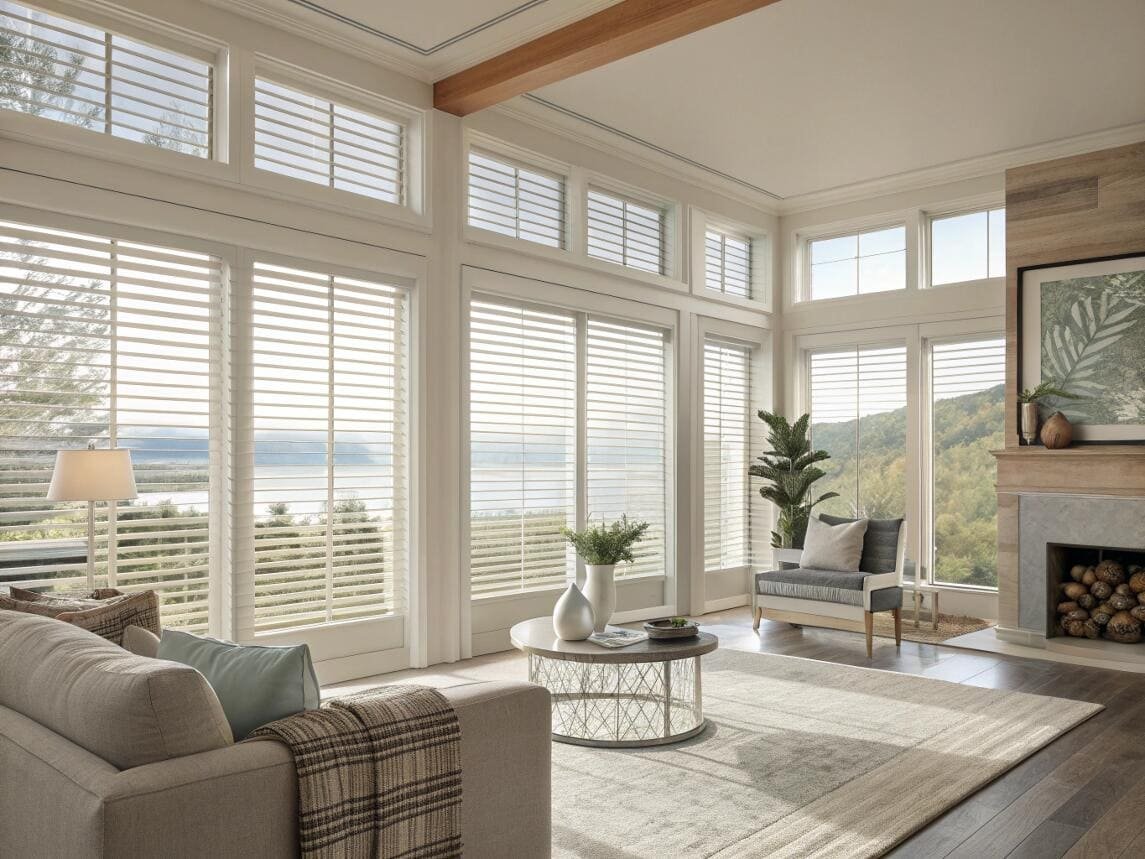
This is a very common problem rooted in basic physics. Light always travels from a brighter space to a darker one. During the day, it's brighter outside, so your windows can appear reflective or opaque from the street. At night, your lit-up interior becomes the bright space, and the darkness outside allows for a clearer view in. Even with horizontal blinds, if the slats aren't closed properly, visibility is possible. For maximum privacy, you should tilt horizontal slats so that the top edge angles towards you (upwards into the room). This directs the line of sight from the outside towards your ceiling, not into your living space.
For clients who need a real nighttime privacy solution, I suggest two main strategies. First, layering is key. Adding a thick, lined curtain over your existing blinds is a simple and effective way to block nearly all light and visibility. Second, consider upgrading to a product designed for this scenario. Blackout roller or cellular shades are the most effective solution, as they are made from fully opaque material. Modern "day-night" shades, which combine a light-filtering and a blackout fabric in one unit, offer the best of both worlds.
What blinds allow you to see out but not in?
You want to enjoy the daylight and your outdoor view without feeling like you're on display for the whole neighborhood. You're looking for that "magic" one-way effect.
Solar shades, also known as "magic screen" blinds, are specifically designed to allow you to see out during the day while preventing people from seeing in. They achieve this with a special woven fabric that maintains your view while reducing glare and UV rays.
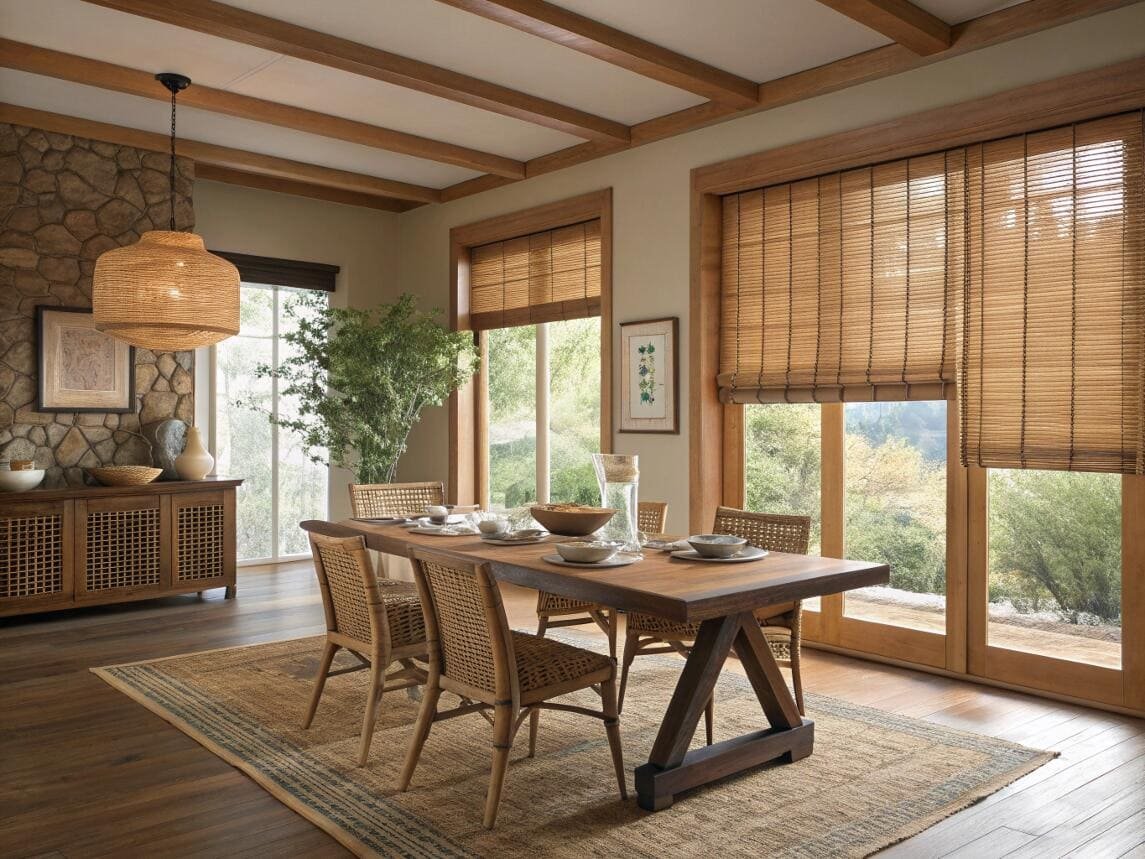
I get this question all the time, and it's a perfect example of how window treatment technology has evolved to meet modern privacy demands. Solar shades are a fantastic solution, but it's important to understand how they work. The "magic" is based on the difference in light levels. The material is a precisely woven screen with tiny apertures. During the day, the bright sunlight outside reflects off the surface, making it look like a solid screen to anyone on the street. From inside your darker room, you can see through the openings perfectly.
However, the key phrase here is "during the day". This one-way effect completely reverses at night. When it's dark outside and you turn your lights on, your home becomes the light source, and people outside can see right in. For this reason, solar shades[^6] are ideal for living rooms or offices where daytime privacy is the main goal. For bedrooms or spaces needing 24/7 privacy, a dual-shade system that combines a solar shade for daytime with a separate blackout roller shade for nighttime is the ultimate solution.
What is the current trend for blinds in 2025?
You're updating your home and want to choose window treatments that are stylish and modern, not something that will look dated in a few years. You want to know what's popular right now.
The biggest trends for 2025 are motorized smart blinds, eco-friendly materials like wood and bamboo, and layered treatments. Homeowners are prioritizing convenience through automation, sustainable materials that add natural warmth, and the versatile, designer look of layering shades with curtains.
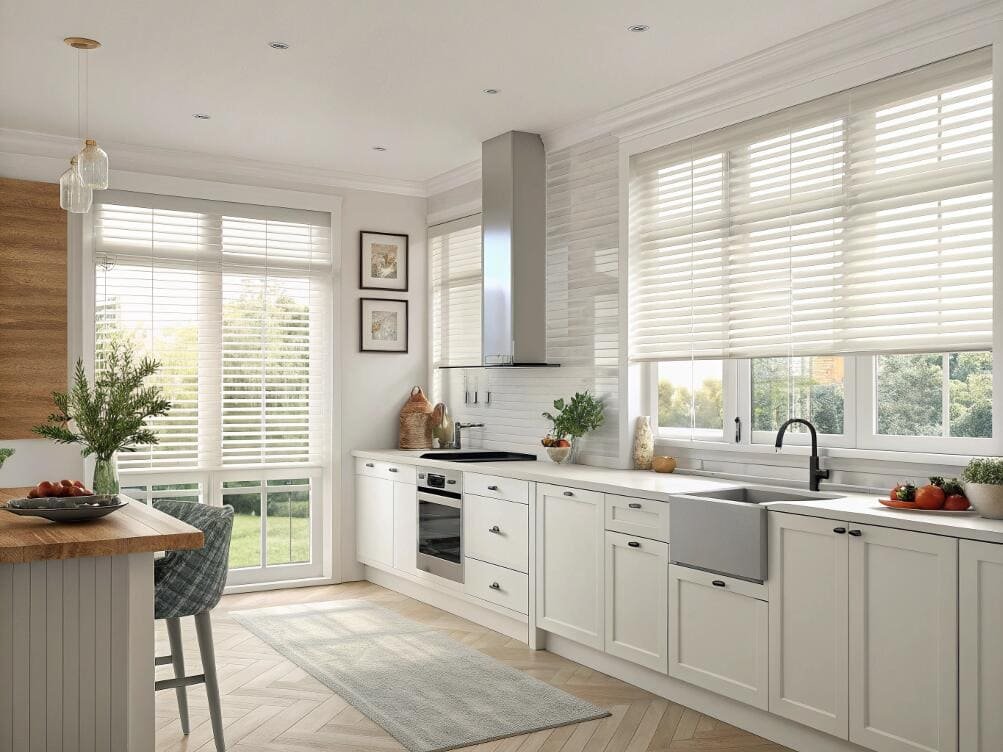
As a provider of smart shading solutions, I'm at the forefront of these shifts, and they're all interconnected. Here's what I'm seeing with my project buyers:
- Smart-First Motorization: Automation is no longer a luxury; it's becoming the standard. Clients want the convenience of controlling their blinds with a remote, an app, or even voice commands. Scheduling blinds to close automatically at sunset for privacy is a feature that directly addresses modern lifestyle needs.
- Eco-Friendly and Natural Materials: There's a huge movement toward bringing natural textures into the home. Wood blinds, bamboo shades, and woven woods are incredibly popular for the warmth and organic feel they provide. Faux wood blinds are also a top choice, offering the look of real wood with extra durability and moisture resistance, making them perfect for kitchens and bathrooms.
- Layered and Custom Designs: The one-size-fits-all approach is fading. People want personalized solutions. Layering different treatments—like a functional cellular shade underneath decorative drapery panels—offers incredible versatility in light control, privacy, and style. This allows homeowners to create a rich, custom look that perfectly suits their space.
Conclusion
While standard blind sizes are useful for builders, the real trend is choosing blinds based on function—especially privacy, smart control, and modern aesthetics that fit your personal style and needs.
---

[^1]: Understanding standard window widths helps you choose the right blinds without costly mistakes.
[^2]: Explore ready-made blind sizes to find options that fit your windows perfectly.
[^3]: Discover how customized solutions can enhance your home's privacy and style.
[^4]: Learn why 2.5-inch slats are popular for modern homes and how they enhance views.
[^5]: Find out how these shades provide insulation and privacy for your home.
[^6]: Understand how solar shades can maintain your view while ensuring privacy during the day.
Partner with VelaBlinds for Your Next Project
Smart window treatments shouldn't be complicated. After working with 500+ distributors and contractors worldwide, I've streamlined the process to get you quality products, competitive pricing, and reliable support - every time.
Why project professionals choose VelaBlinds:
- ✅ Fast, Accurate Quotes - Detailed specs and pricing within 24 hours
- ✅ Transparent Pricing - No hidden fees, volume discounts clearly outlined
- ✅ Quality Assurance - Direct partnerships with certified OEM manufacturers
- ✅ Project Support - Dedicated account manager from quote to delivery
Start your next project:
📧 Quick Quote: Send your requirements to info@velablinds.com
📱 Direct Contact: WhatsApp +86 137 2012 8317
🌐 Browse Solutions: https://velablinds.com/
📁 Product Resources: Access spec sheets, catalogs & project files
Paul Chen, Founder
"I built VelaBlinds to solve the real challenges I faced as a project buyer - long lead times, unclear specs, and unreliable suppliers. Let's discuss how we can power your projects with smarter blinds."
Serving distributors and contractors across North America, Europe, and Australia since 2018.