That intense sun in hot climates turns your rooms into a greenhouse. Your air conditioner works overtime, and your energy bills are frustratingly high.
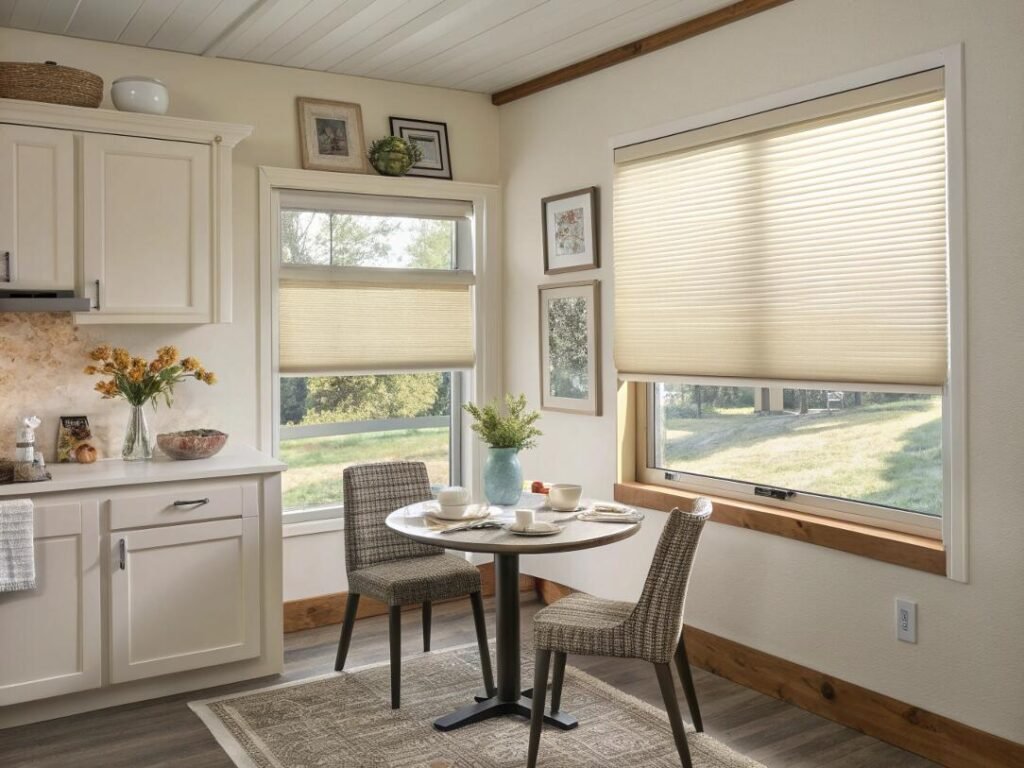
For hot climates, the best insulated window shades are cellular shades[^1], also known as honeycomb shades[^2]. Their unique structure is engineered to trap air, creating a powerful thermal barrier[^3] that blocks outside heat and can reduce heat gain by up to 60%.
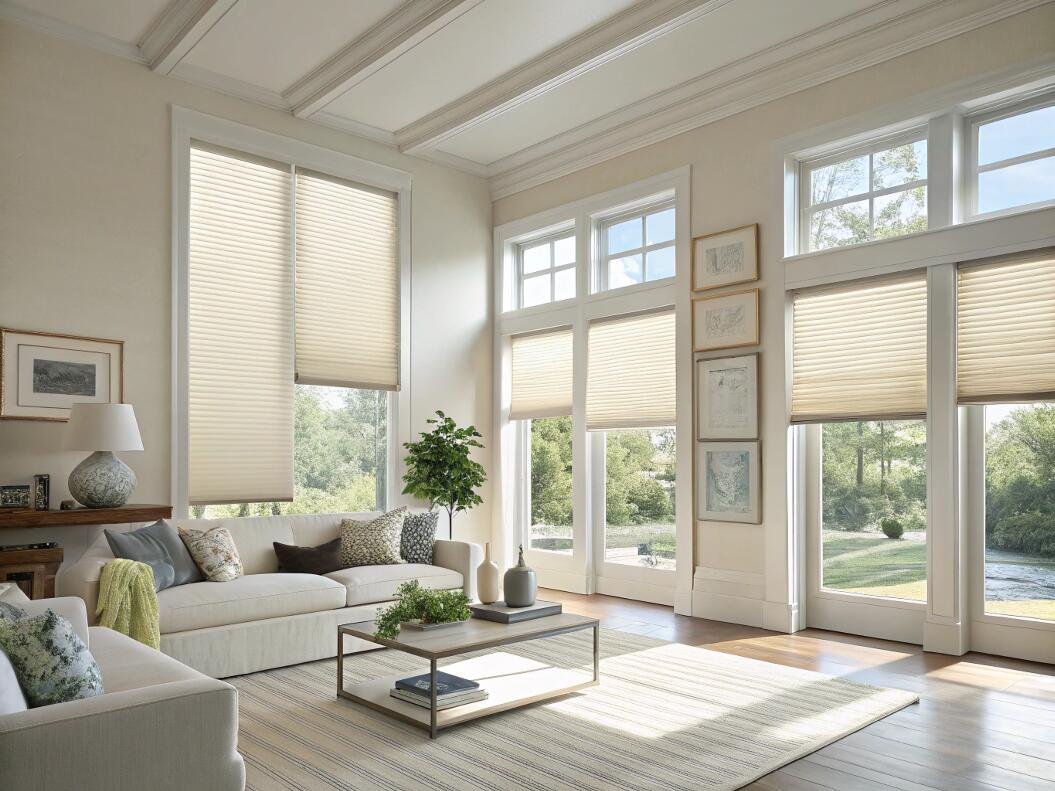
As a provider of smart shading solutions, I work with project buyers like Emma, an interior designer, who constantly face this challenge. Her clients in hot regions need window treatments that not only look good but also perform under intense sun. The good news is that modern materials and designs provide excellent solutions. Let's delve into the top performers for keeping your space cool and comfortable.
What are the best insulated window shades for hot weather?
Your south-facing rooms become unusable in the summer. You need a window treatment that can stand up to the heat and make your space comfortable again.
The best insulated shades for hot weather are cellular shades, which trap air to stop heat transfer. Dual roller shades featuring a metallized fabric backing[^4] are also highly effective at reflecting the sun's heat before it enters the room.
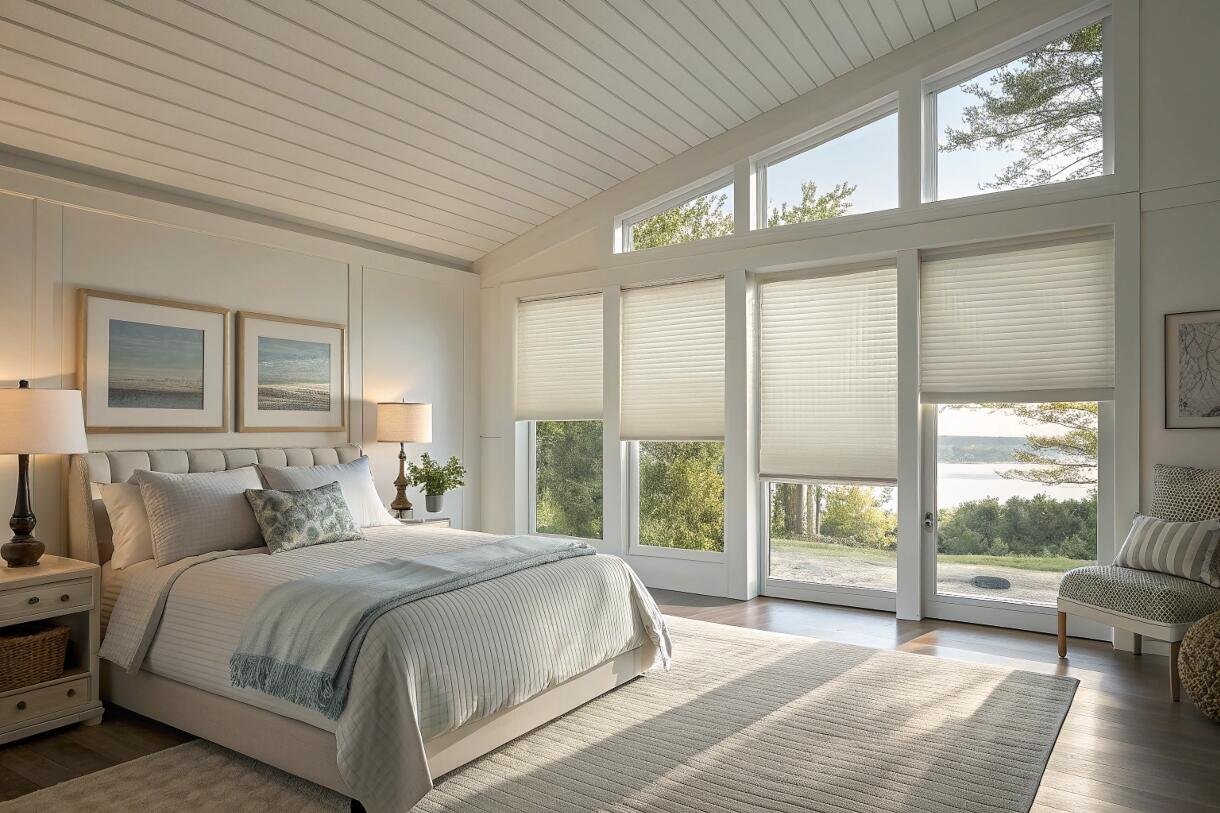
When clients ask me this, I point them to two primary technologies. The first is the cellular, or honeycomb, shade. It's the champion of insulation for a reason. Its structure is specifically engineered to create air pockets[^5] that act as a barrier between the hot window glass and your room. Premium double-cell cellular shades can reduce heat gain by 60% and lead to real savings on cooling costs. The second option is a dual roller shade with advanced fabric technology. These systems often include a front solar screen[^6] to reduce glare and a back layer with a metallized coating.] This metallized backing contains tiny aluminum particles that reflect solar radiation, making them incredibly effective for large windows exposed to direct sun.
What type of blinds provide the best insulation?
You're trying to choose between different styles of blinds, but insulation is your top priority. It's difficult to know which design actually stops heat from getting in.
Cellular blinds, often called honeycomb blinds, provide the best insulation by a wide margin. Their air-trapping cell structure is specifically designed for thermal resistance. In fact, smart motorized cellular shades[^7] are often considered the most energy-efficient blinds[^8] overall.
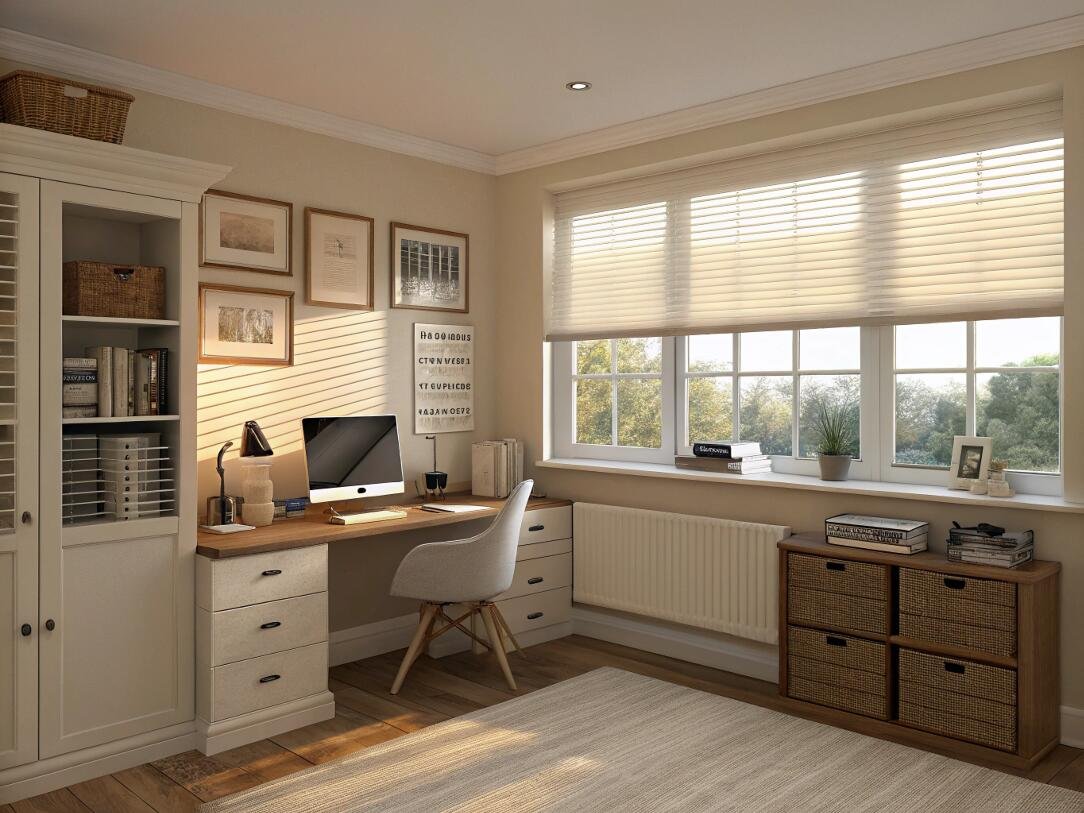
The insulating power[^9] of a blind comes down to its structure and material. Let's look at the top options.
Cellular (Honeycomb) Shades
As mentioned, these are number one. The magic is in the air pockets[^5] created by the honeycomb design, which block heat transfer very effectively. The larger the cells and the more layers they have (e.g., double-cell), the better the insulation.
Other Insulating Options
While cellular shades are the best, other types offer good insulation too. For example, exterior-mounted aluminum venetian blinds are a robust solution. They stop heat before it even reaches the window, blocking up to 90% of solar heat gain. For a more traditional look, high-quality faux-wood shutters also provide a solid barrier against the sun. They resist warping in high heat and have adjustable louvers, giving you precise control over daylight.
Do honeycomb shades actually block heat?
You've heard people recommend honeycomb shades. But they look like a simple fabric shade, and it's hard to believe they can really fight off intense summer heat.
Yes, honeycomb shades are exceptionally effective at blocking heat. Their unique cellular construction creates an insulating barrier of trapped air that can reduce unwanted solar heat gain by as much as 60%.
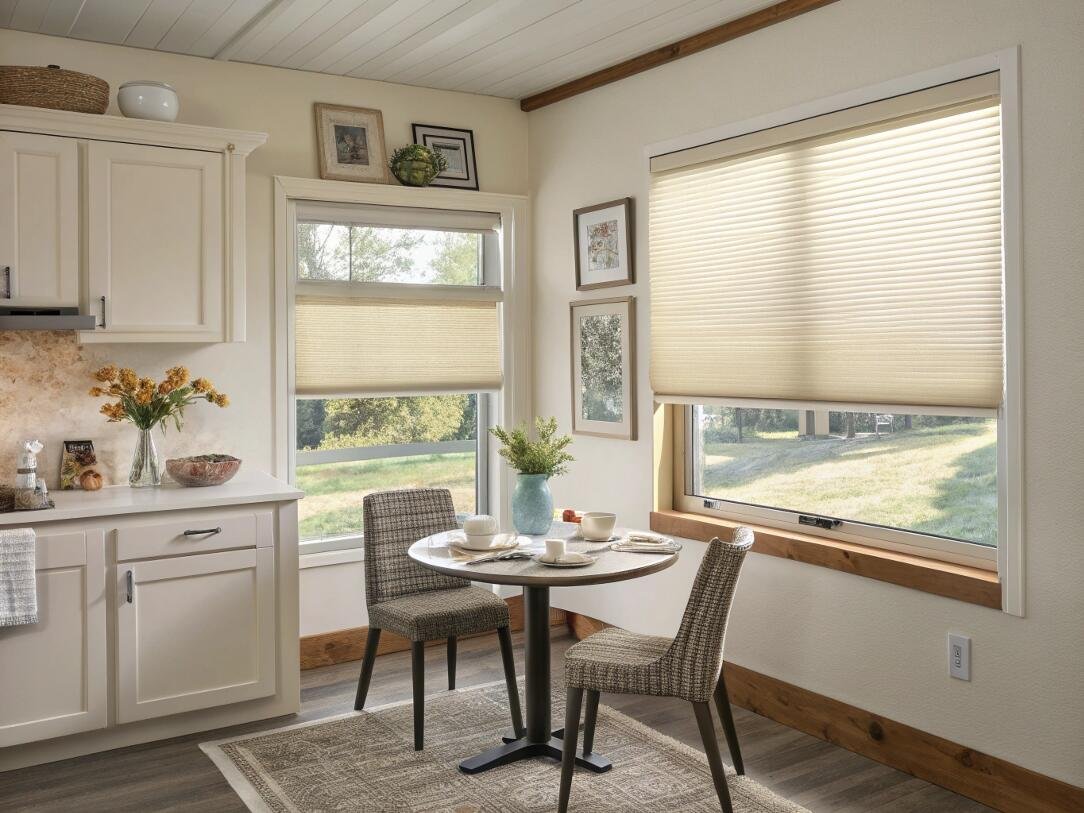
It’s all about physics. Air is a poor conductor of heat. The honeycomb design is engineered to trap a pocket of air, preventing the heat from the sun-baked window glass from radiating into your room. This simple principle makes them incredibly efficient. But not all cellular shades are created equal. I always advise my clients to consider a few factors that impact performance.
| Performance Factor | Impact on Heat Blocking |
|---|---|
| Cell Size | Larger cells trap more air, providing better insulation. |
| Layer Count | Double-cell designs are significantly more effective than single-cell shades. |
| Fabric Density | A higher-density, specialized non-woven fabric does a better job reflecting heat. |
Choosing a premium double-cell design can lead to energy savings[^10] of up to 15% on cooling bills alone.
Will blackout shades keep the heat out?
Your goal is a dark and cool room, especially for a bedroom or media room. You assume a blackout shade must be the best choice, but does it really block heat too?
Yes, blackout shades[^11] help keep heat out, largely by stopping sunlight from entering the room. However, their main job is to block light. A truly insulated shade like a cellular shade is often more effective for purely thermal control.
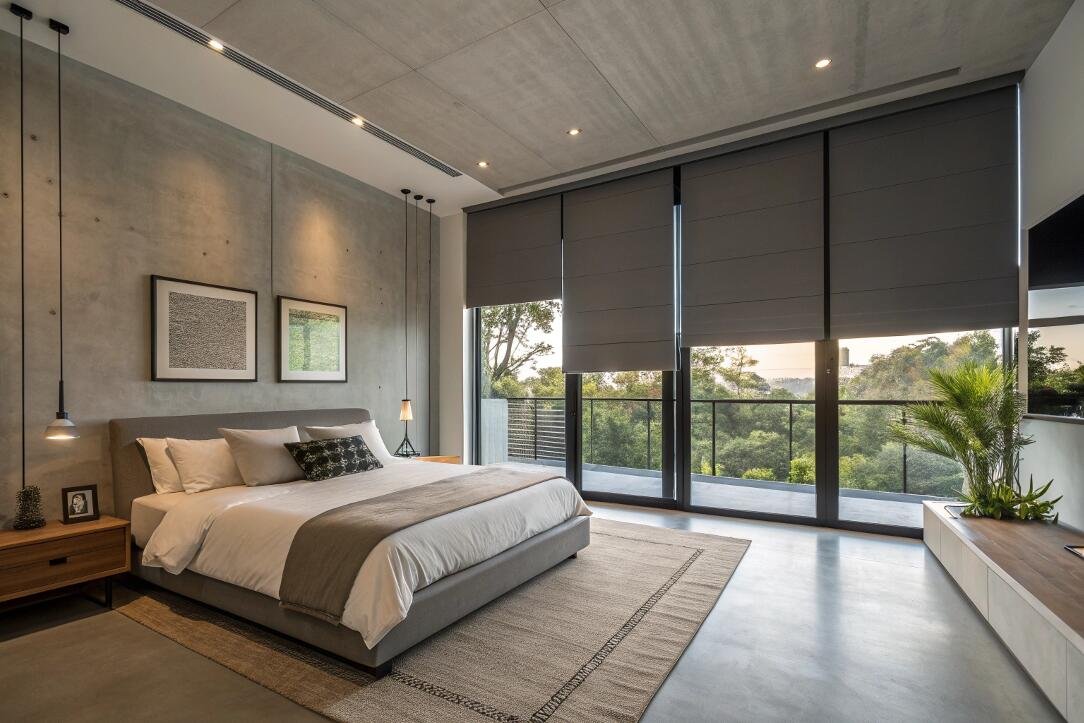
Light blocking and heat blocking are related but not the same thing. Blackout fabrics are made to be opaque. While this stops the visible light that carries heat, their effectiveness at rejecting additional heat depends on their other properties. A dual roller shade system is a fantastic solution that I recommend for multipurpose rooms. It gives you a solar screen for daytime use that reduces glare while preserving the view, and a separate blackout layer for complete darkness and privacy at night. For any shade to be most effective against heat, choose one with a light-colored or reflective backing on the side that faces the window. A light-colored fabric is superior for heat reflection.
What is the best strategy for keeping heat out of my windows?
You've picked out some great insulating shades, but you want to do everything you can to maximize their cooling effect. Is there more to it than just hanging them up?
The best strategy is a layered approach[^12]. Combine a highly insulating shade with proper installation[^13] by mounting it close to the glass. Also, always choose light-colored or reflective fabrics to bounce heat back outside.
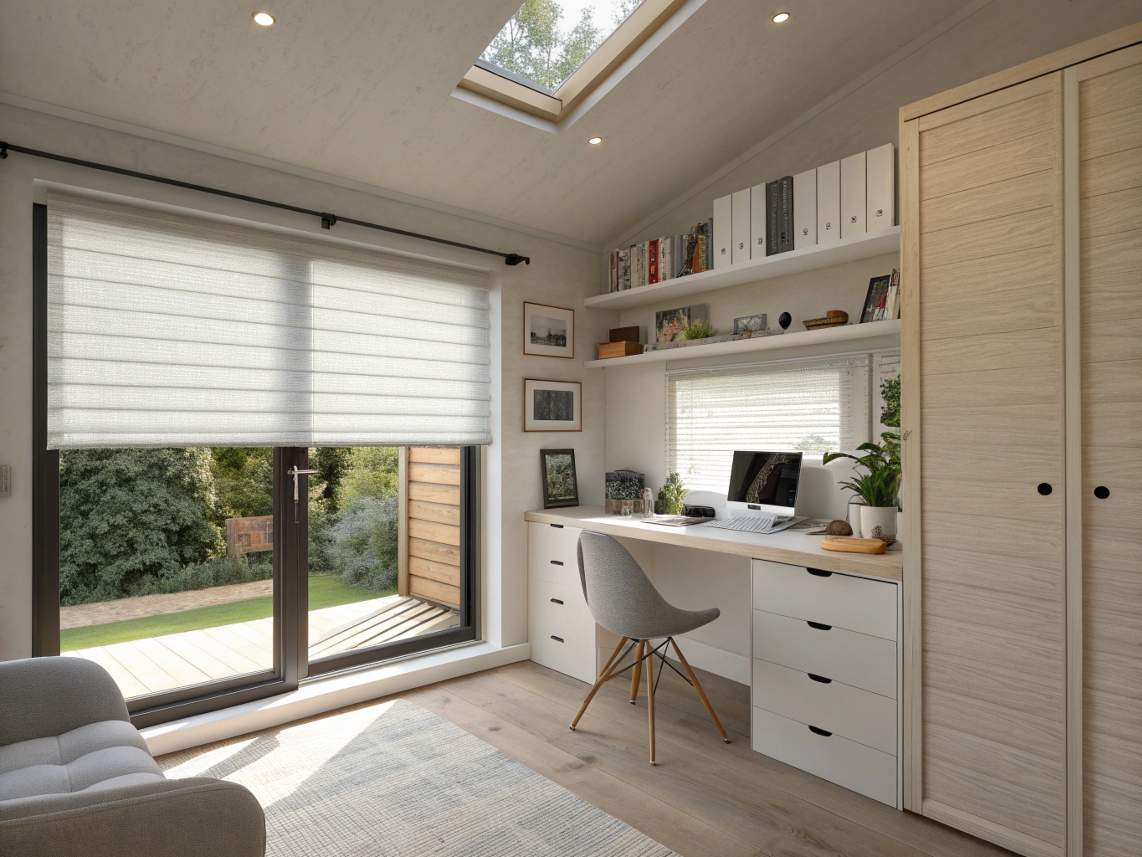
Getting the most out of your investment comes down to a few key strategies that I always share with my clients.
1. Layer and Seal
An insulating shade works best when it creates a sealed air gap. Mount your shades as close to the window frame as possible to minimize gaps where heat can enter. An inside mount provides a cleaner look, but an outside mount can sometimes offer better coverage. For ultimate performance, especially in media rooms, you can add side channels[^14] to completely seal the edges.
2. Choose Light Colors
Fabric color makes a huge difference. Dark fabrics are better for glare control and provide a clearer view to the outside, but they absorb more heat. Light-colored fabrics are far superior for reflecting solar heat away from the window.
3. Automate Your Shades
The most effective strategy is to add motorization and scheduling. Automated shades can reduce energy costs by up to 25% by adjusting to daily sun patterns. Imagine your shades automatically closing during the hottest part of the afternoon. This is the power of smart automation.
Conclusion
To beat the heat, choose cellular shades for their top-tier insulation. For a slimmer look, consider solar-backed rollers. Layering these with smart installation and automation will maximize comfort and deliver significant energy savings.
---

[^1]: Explore how cellular shades can significantly reduce heat gain and improve energy efficiency in your home.
[^2]: Learn about the unique design of honeycomb shades that effectively insulate your space from heat.
[^3]: Understand the concept of thermal barriers and how they enhance energy efficiency in window coverings.
[^4]: Find out how metallized fabric backing can improve the energy efficiency of your window treatments.
[^5]: Discover how air pockets in window shades create an effective barrier against heat transfer.
[^6]: Learn about solar screens and their role in reducing glare and heat in your living spaces.
[^7]: Discover how smart motorized shades can enhance comfort and energy savings in your home.
[^8]: Explore the top options for energy-efficient blinds that can help lower your energy bills.
[^9]: Learn about the key factors that determine how well window shades can insulate against heat.
[^10]: Find out how the right window treatments can help you save on energy costs throughout the year.
[^11]: Understand the effectiveness of blackout shades in blocking heat and light in your rooms.
[^12]: Explore the benefits of a layered approach in maximizing the cooling effect of your window shades.
[^13]: Learn how proper installation can maximize the effectiveness of your window treatments.
[^14]: Understand how side channels can enhance the performance of your window shades by sealing edges.
Partner with VelaBlinds for Your Next Project
Smart window treatments shouldn't be complicated. After working with 500+ distributors and contractors worldwide, I've streamlined the process to get you quality products, competitive pricing, and reliable support - every time.
Why project professionals choose VelaBlinds:
- ✅ Fast, Accurate Quotes - Detailed specs and pricing within 24 hours
- ✅ Transparent Pricing - No hidden fees, volume discounts clearly outlined
- ✅ Quality Assurance - Direct partnerships with certified OEM manufacturers
- ✅ Project Support - Dedicated account manager from quote to delivery
Start your next project:
📧 Quick Quote: Send your requirements to info@velablinds.com
📱 Direct Contact: WhatsApp +86 137 2012 8317
🌐 Browse Solutions: https://velablinds.com/
📁 Product Resources: Access spec sheets, catalogs & project files
Paul Chen, Founder
"I built VelaBlinds to solve the real challenges I faced as a project buyer - long lead times, unclear specs, and unreliable suppliers. Let's discuss how we can power your projects with smarter blinds."
Serving distributors and contractors across North America, Europe, and Australia since 2018.