

That hot, glaring sun is fading your furniture and making your screen hard to see. You want protection but hate the idea of closing off your room from the outside world.
Solar shades are a special type of roller shade[^1] made from a woven material that blocks up to 99% of harmful UV rays[^2]. They cut glare and heat while still allowing you to see outside, preserving your view and connection to the outdoors.
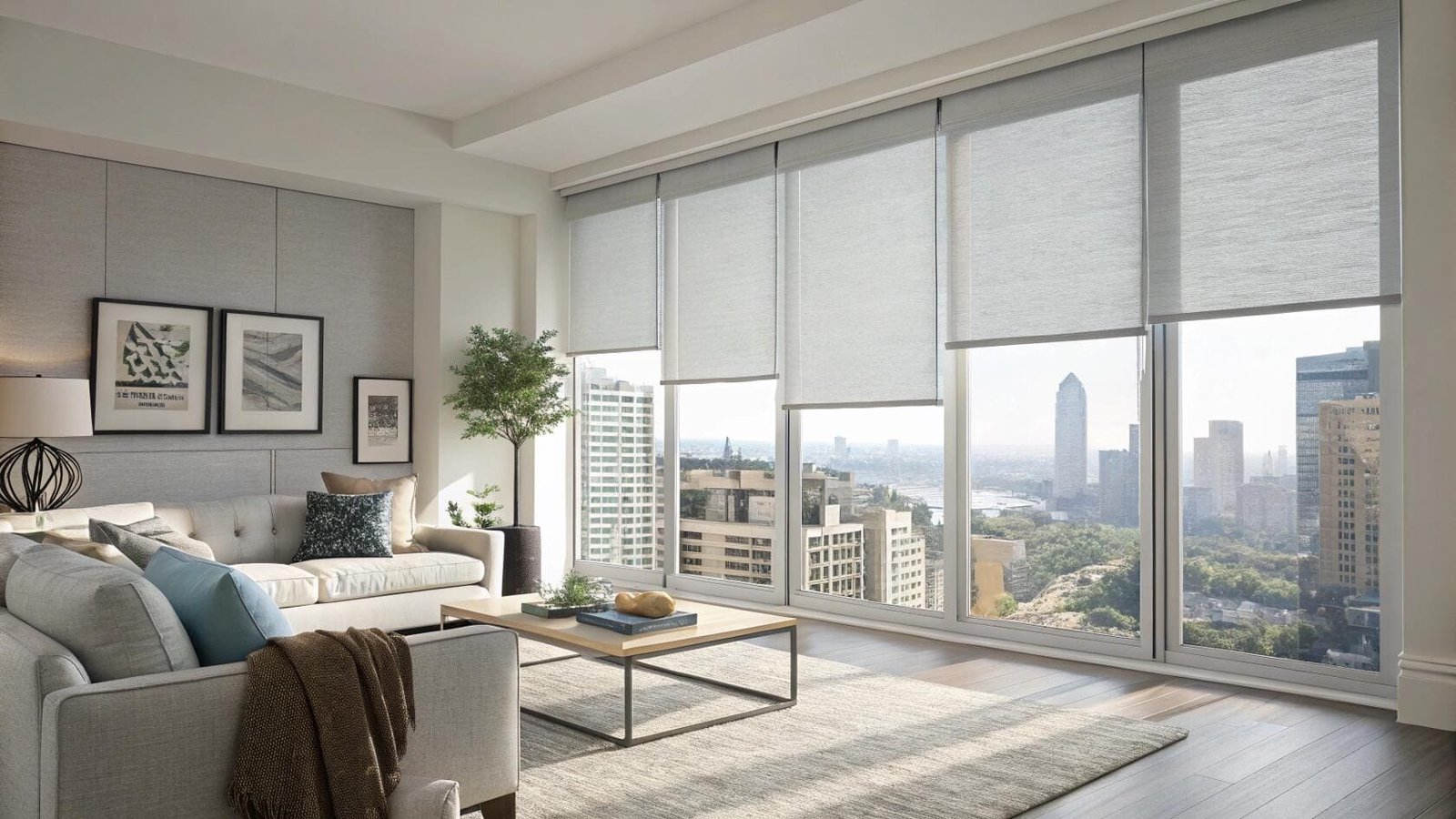
These shades are one of the most popular products I discuss with project buyers like Emma. They solve a very specific problem that traditional blinds or curtains can't: how to block the sun, not the view. They look clean and modern, but their real value is in the high-performance fabric. Let’s dive deeper into how this technology works and how you can specify it correctly for your own projects.
Do solar shades[^3] really block UV rays?
You see your beautiful hardwood floors and expensive sofa getting bleached by the sun every day. You need to know if a window treatment[^4] can truly stop this damaging process.
Yes, solar shades are specifically engineered to block harmful UV rays. A high-quality solar fabric can block between 90% and 99% of UV radiation, effectively protecting your furniture, artwork, and flooring from fading.
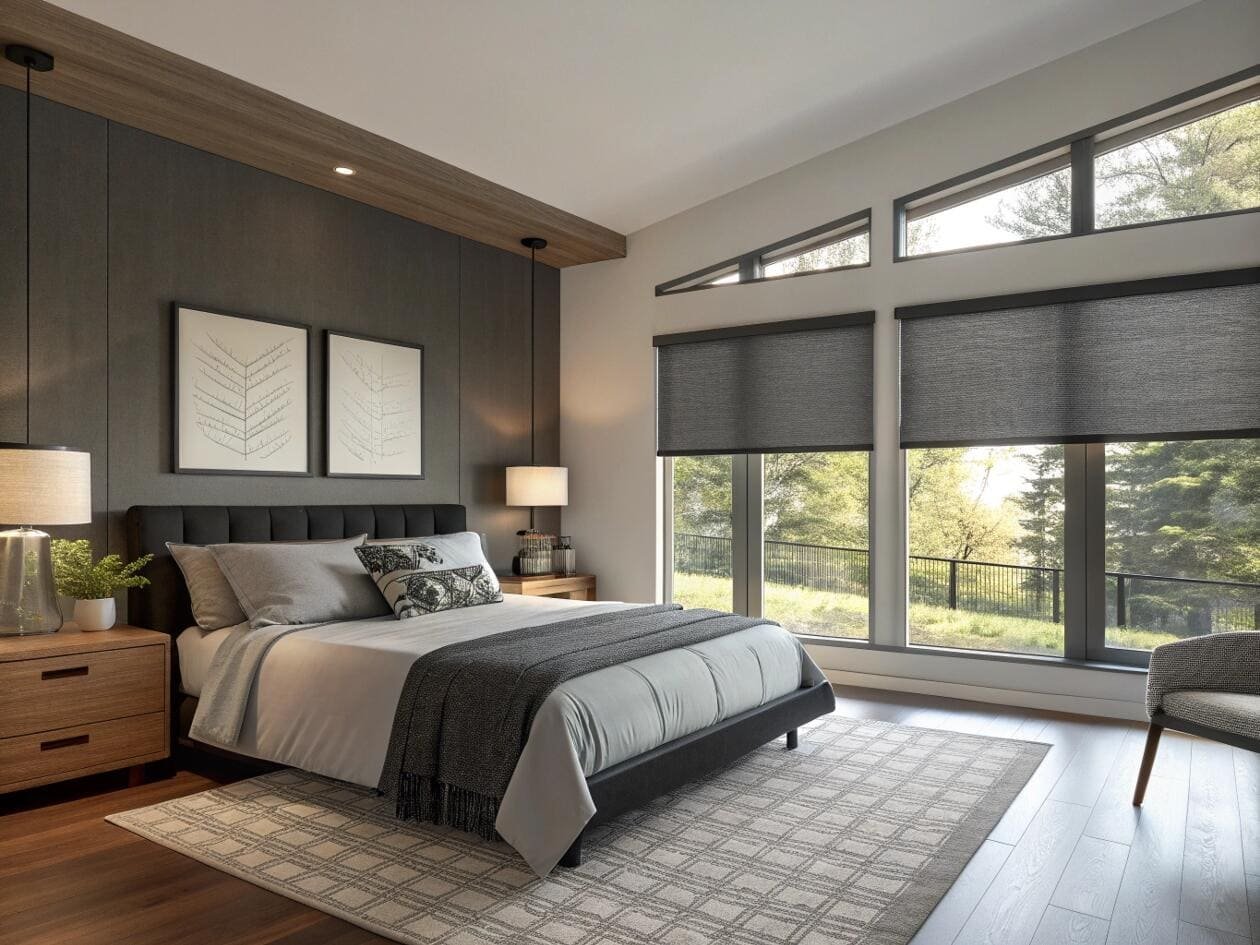
UV radiation is the invisible part of sunlight that does the most damage over time. It breaks down the chemical bonds in dyes and materials, causing them to lose color and integrity. Solar shades are like sunscreen for your house. The fabric is made from a blend of synthetic fibers, like PVC and polyester, that are woven together in a very precise way. This special weave acts as a filter. It stops the vast majority of UV rays from ever entering the room. This means the colors of your furniture stay rich, and your floors won't get discolored patches. This is a huge benefit for any sun-filled space, preserving the value and beauty of the interior for years.
What is the difference between a 1% and 3% solar shade?
You hear terms like "1% openness[^5]," but it is not immediately clear what that means. Choosing the wrong percentage can mean you either can't see out or you aren't getting enough sun protection.
The percentage refers to the fabric's "openness factor[^6]." A 1% shade is woven very tightly, blocking 99% of UV rays but offering a more limited view. A 3% shade is slightly more open, blocking 97% of UV rays with better visibility.
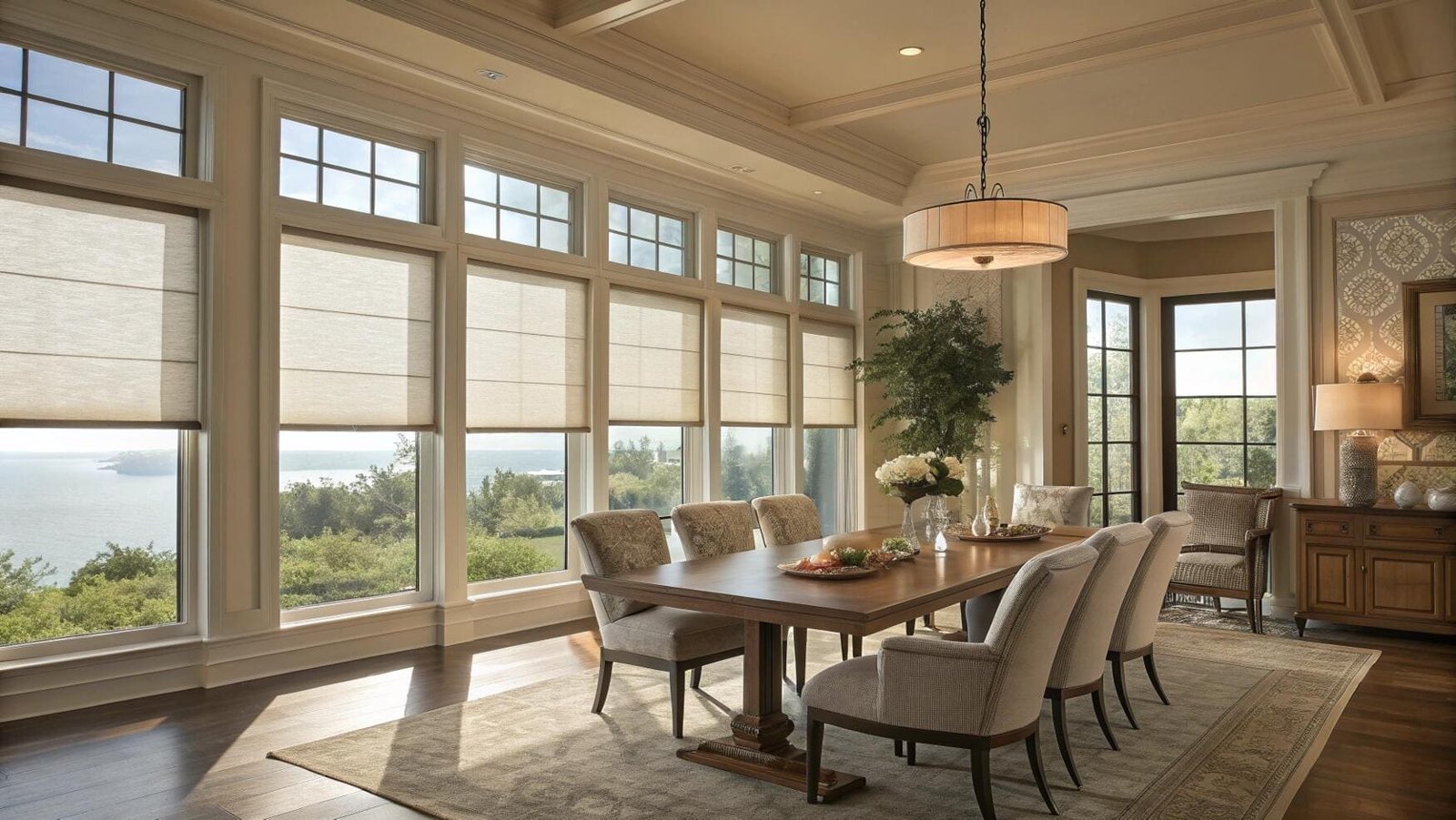
The openness factor[^6] is the single most important detail to specify when ordering solar shades. It defines the trade-off between protection and visibility. A lower number means the weave is tighter, with fewer and smaller holes for light to pass through. This gives you more UV protection and privacy. A higher number means the weave is looser, offering a clearer view but slightly less UV blockage.
| Openness Factor | UV Rays Blocked | View Clarity | Use Case |
|---|---|---|---|
| 1% | 99% | Low | Maximum UV protection, glare reduction[^7] (e.g., media rooms) |
| 3% | 97% | Good | A popular balance of protection and view (e.g., living rooms) |
| 5% | 95% | Very Good | When the view is the top priority (e.g., sunrooms, offices) |
| 10% | 90% | Excellent | Minimal protection, but still cuts glare (e.g., patios) |
For most residential projects, I find that a 3% or 5% openness factor is the perfect sweet spot. It provides excellent sun control[^8] while still making the space feel open and connected to the outdoors.
What is the difference between a solar shade and a roller shade?
They look similar and operate with the same mechanism. Is "solar shade" just a premium name for a regular roller shade, or is there a fundamental difference in the product?
The key difference is the fabric. A solar shade uses a precisely woven, screen-like material to block UV rays while keeping the view. A regular roller shade uses a solid textile fabric designed for privacy or light blockage, not for maintaining a view.
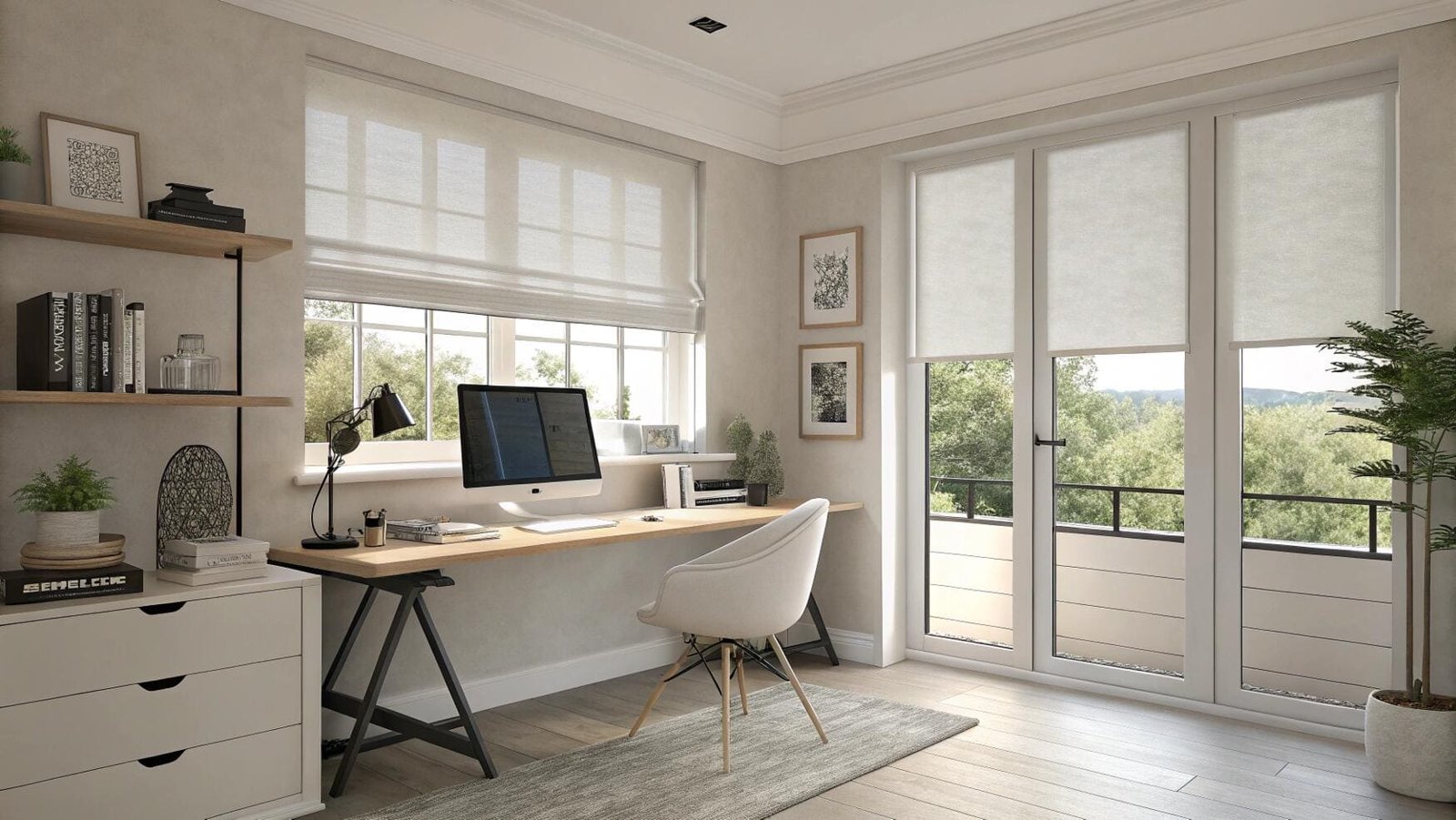
Think of it this way: a solar shade filters light, while a standard roller shade blocks it. The fabric on a solar shade is a technical product. It's often a PVC and polyester mix engineered with a specific openness factor to manage sun and heat. You choose it when you need to solve glare and UV damage in a room where you want to enjoy natural light and the view. A regular roller shade is chosen for its aesthetic or its ability to provide total privacy or darkness. The fabric could be a decorative linen, a textured weave, or an opaque blackout material. You choose it for a bedroom where you need darkness, or a bathroom where you need 100% privacy. They are both roller shades, but they serve two very different functions.
Can people see in your house with solar shades?
You want to enjoy the natural light in your home, but you don't want to feel like you're on display for your neighbors or people walking by on the street.
During the day, people cannot see into your house through solar shades. The fabric works like a one-way mirror because it is much brighter outside than inside, giving you excellent daytime privacy.
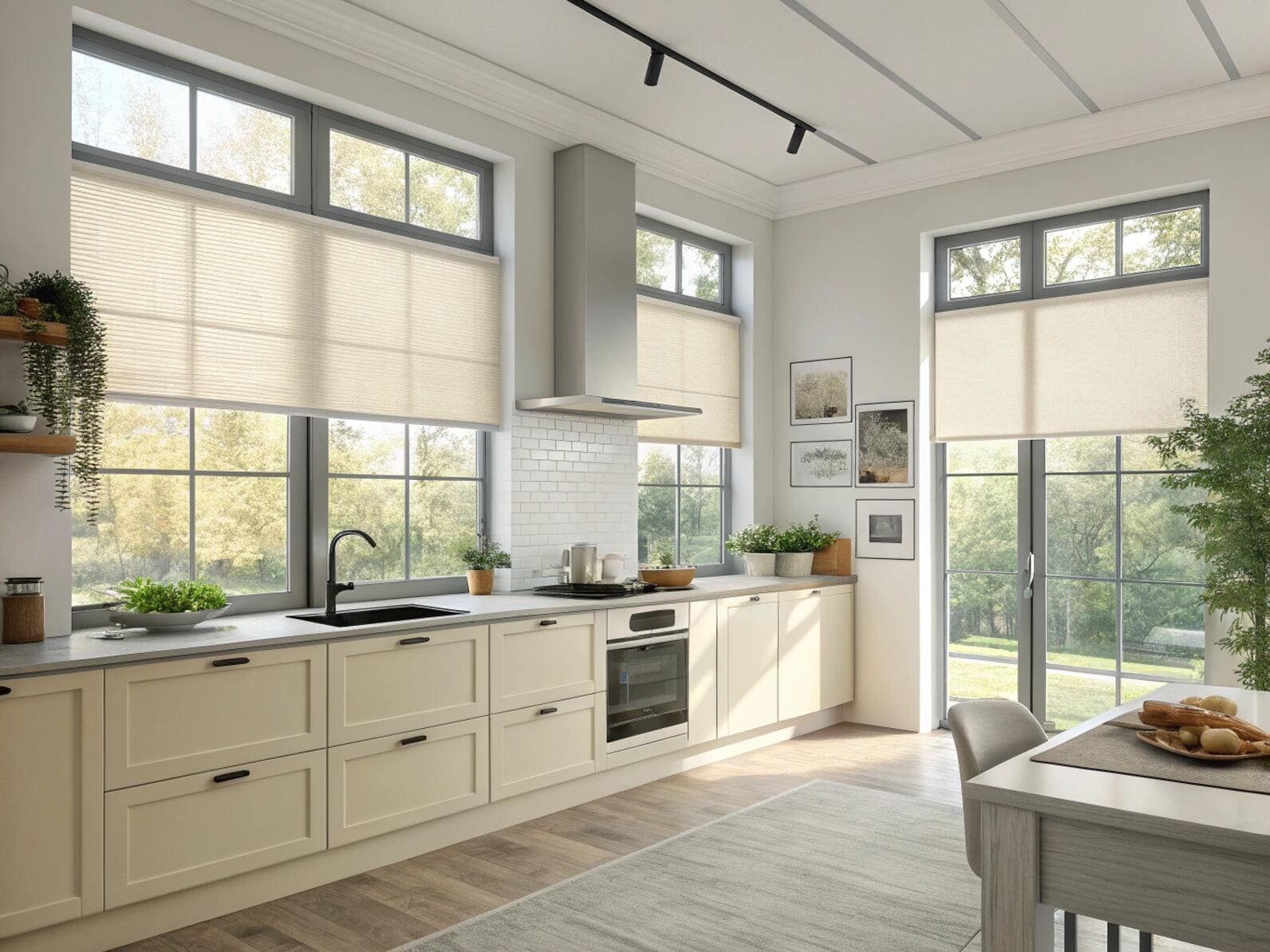
This is one of the biggest selling points of solar shades. The magic is all about the balance of light. When the sun is out, the light level outside your window is many times brighter than the light level inside your home. When someone from the outside looks at your window, their eyes see the bright light reflecting off the surface of the shade's fabric. This reflection is much stronger than the dim light coming from inside your house, so the interior view is effectively blocked. Meanwhile, from inside, you are looking from a dark space into a bright space. Your eyes can easily see through the tiny holes in the fabric's weave to the clear view outside. This makes solar shades a perfect solution for living rooms, home office[^9]s, and any common area where you want light and a view without sacrificing privacy during the day.
Can people see through solar shades at night?
Your shades give you perfect privacy all day. But what happens once the sun goes down and you turn on the lights inside? Does the magic one-way effect still work?
Yes, at night the effect completely reverses. When it is dark outside and your lights are on inside, people can see into your home through the solar shades. Privacy is significantly reduced.
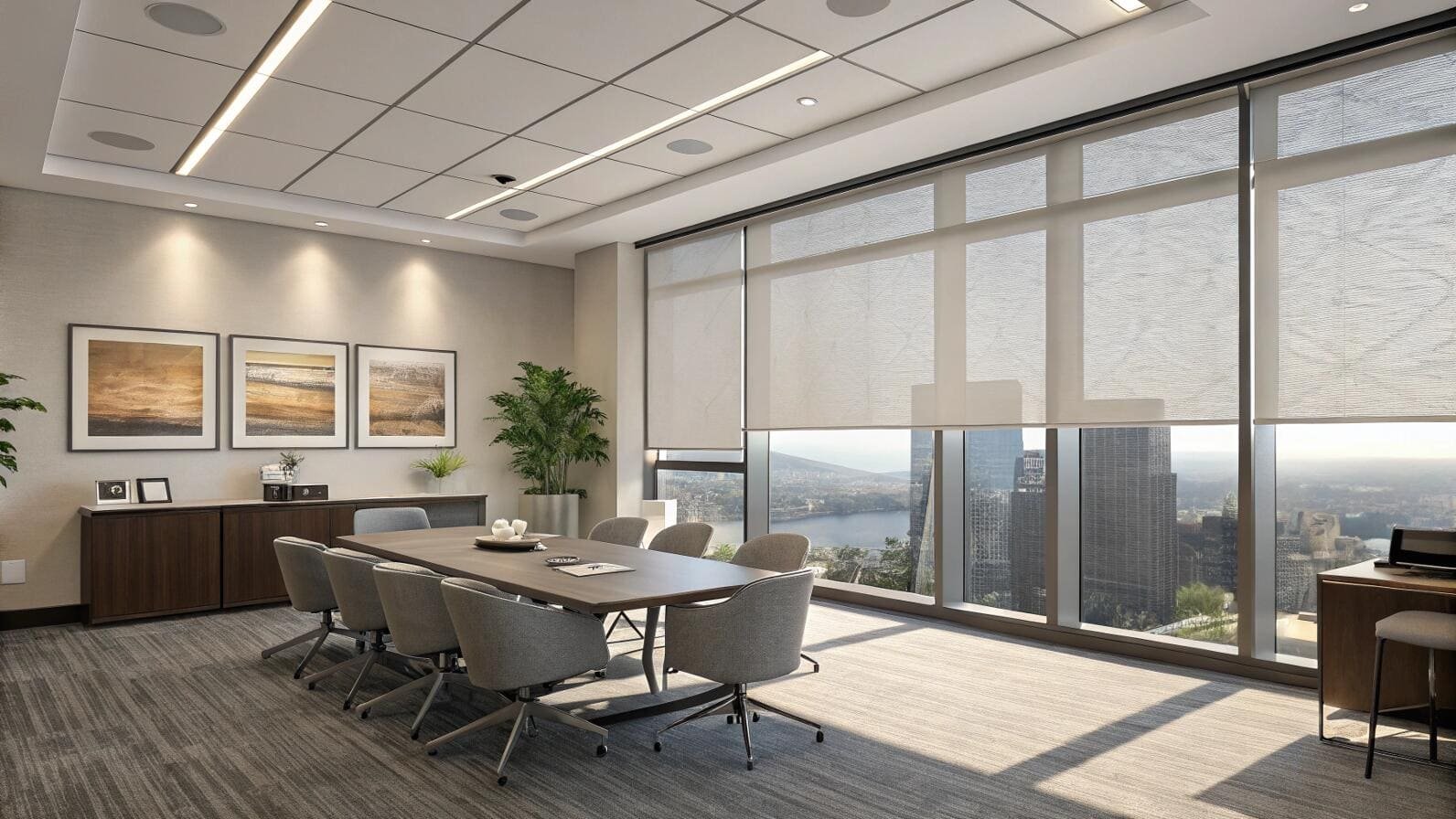
This is the most important limitation of solar shades to understand. The "one-way mirror" effect depends on the light differential. At night, the situation is flipped. It is now much brighter inside your home than it is outside. When someone from the dark outside looks toward your bright window, their eyes can easily see through the fabric's weave into your illuminated room. From your perspective inside, you are looking from a bright space into a dark space, so you will mostly see a reflection of your own room on the shade. This "fishbowl effect" is a critical factor to consider, especially for bedrooms and street-level windows. It doesn't mean solar shades are a bad choice; it just means you need a plan for nighttime privacy[^10].
What are the best privacy hacks for solar shades?
You love the daytime performance of your solar shades, but the lack of nighttime privacy is a serious problem. There has to be a way to solve this without installing completely different blinds.
The best and most professional solution is layering[^11]. You can pair your solar shades with a second window treatment, like curtains or a blackout roller shade, to provide complete privacy at night.
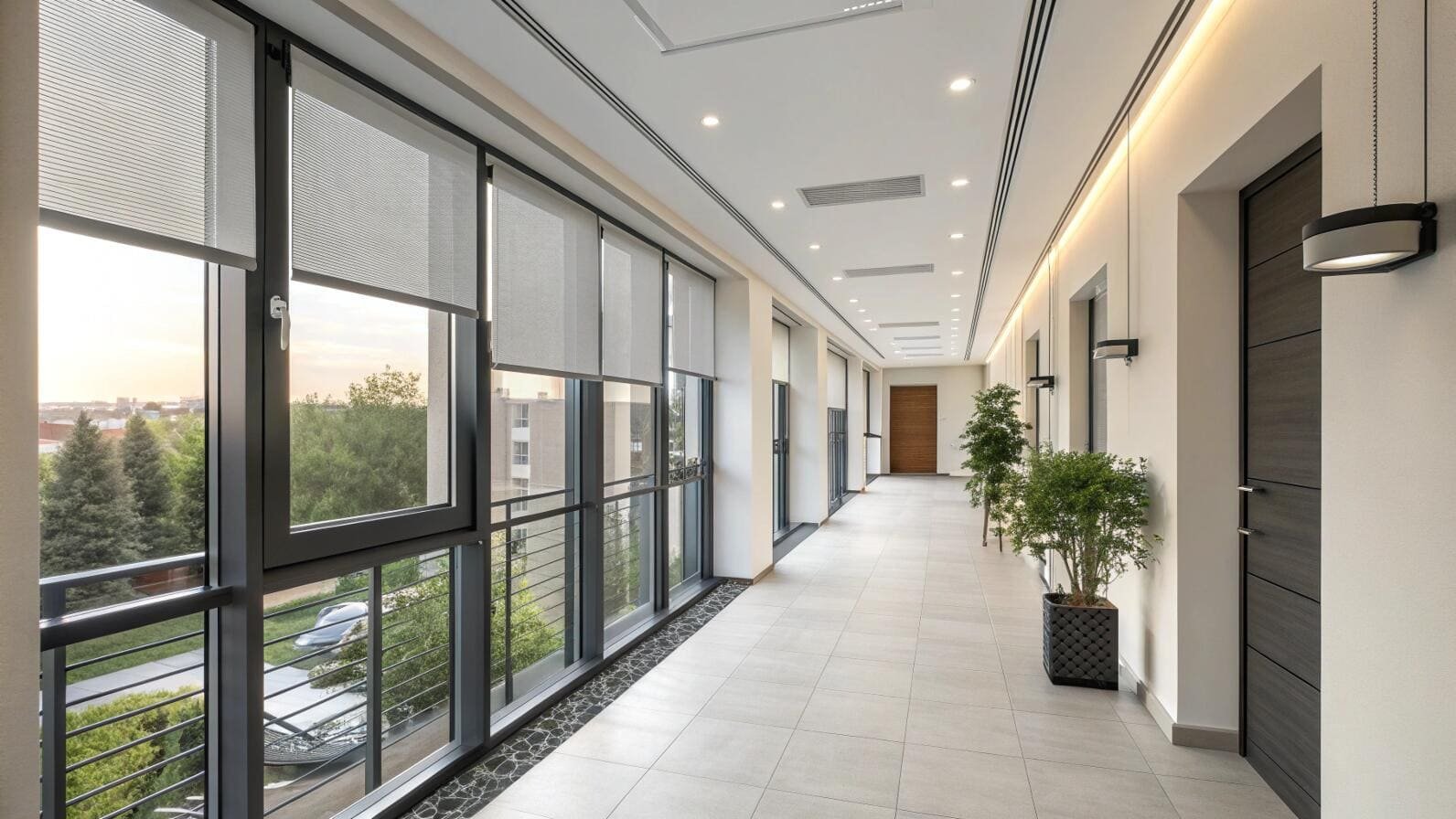
Layering gives you the best of both worlds. You get the glare control and view of a solar shade during the day, and total privacy when you need it. There are two main ways to do this. The first is a decorative approach: install your solar shade inside the window frame, then hang drapery or a Roman shade on the wall around the frame. The solar shade does the hard work during the day, and you close the curtains at night. The second method is a very clean, modern solution called a dual roller shade[^12]. This system fits two separate fabric rollers into a single headrail. One roller holds your solar fabric for daytime use, and the other holds a blackout fabric for nighttime privacy. You can operate each shade independently, giving you a complete, all-in-one solution that looks incredibly sleek.
Do solar shades help keep rooms warm in winter?
You know solar shades are fantastic for rejecting solar heat and keeping your home cool in the summer. But can they also work in reverse and help keep your home warm in the winter?
No, solar shades provide very little insulation to keep rooms warm in winter. Their main purpose is to block solar heat gain, not to prevent heat loss through the glass.
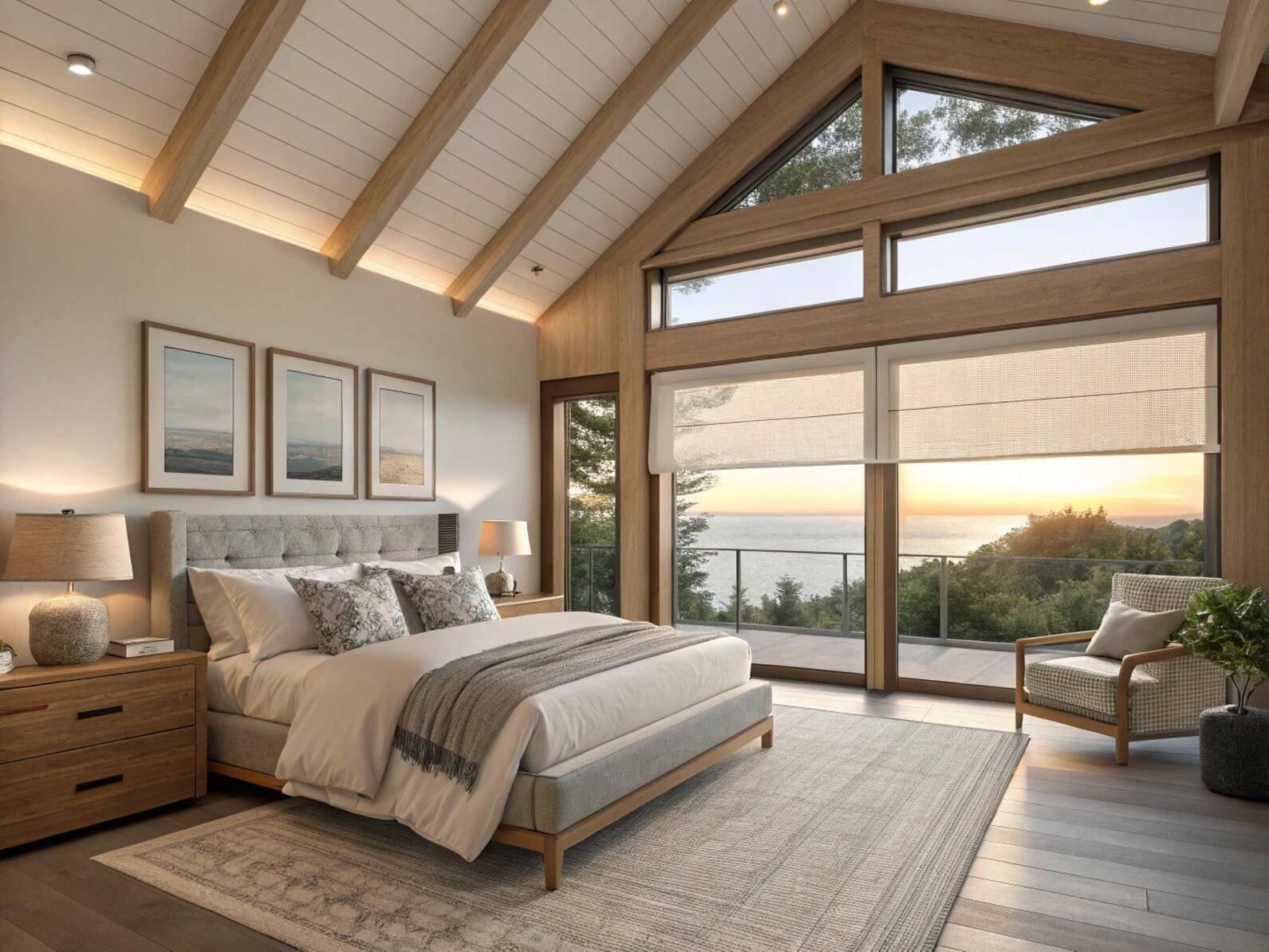
This is a common point of confusion. The terms "thermal" and "solar" sound related, but they describe different functions. Solar shades are designed to reflect the sun's energy. This is great in summer when you want to stop the sun from heating your home. In winter, however, the main problem is heat loss—the warm air inside your home escaping through the cold window glass. To stop heat loss, you need insulation, which works by trapping a layer of air. Solar shades are a single layer of woven fabric and do not have an insulating structure. For winter performance, products like cellular (or honeycomb) shades are far superior because their honeycomb-shaped pockets are specifically designed to trap air. The best all-season approach is often to layer a solar shade with an insulating drapery or to choose a dual shade system.
What are the main disadvantages of solar shades?
No window treatment[^4] is perfect for every single application. Knowing the potential downsides of solar shades helps you make an informed decision and avoid specifying them in the wrong place.
The three main disadvantages of solar shades are their lack of nighttime privacy, their poor insulation value in winter, and the trade-off between view and protection determined by the fabric's openness.
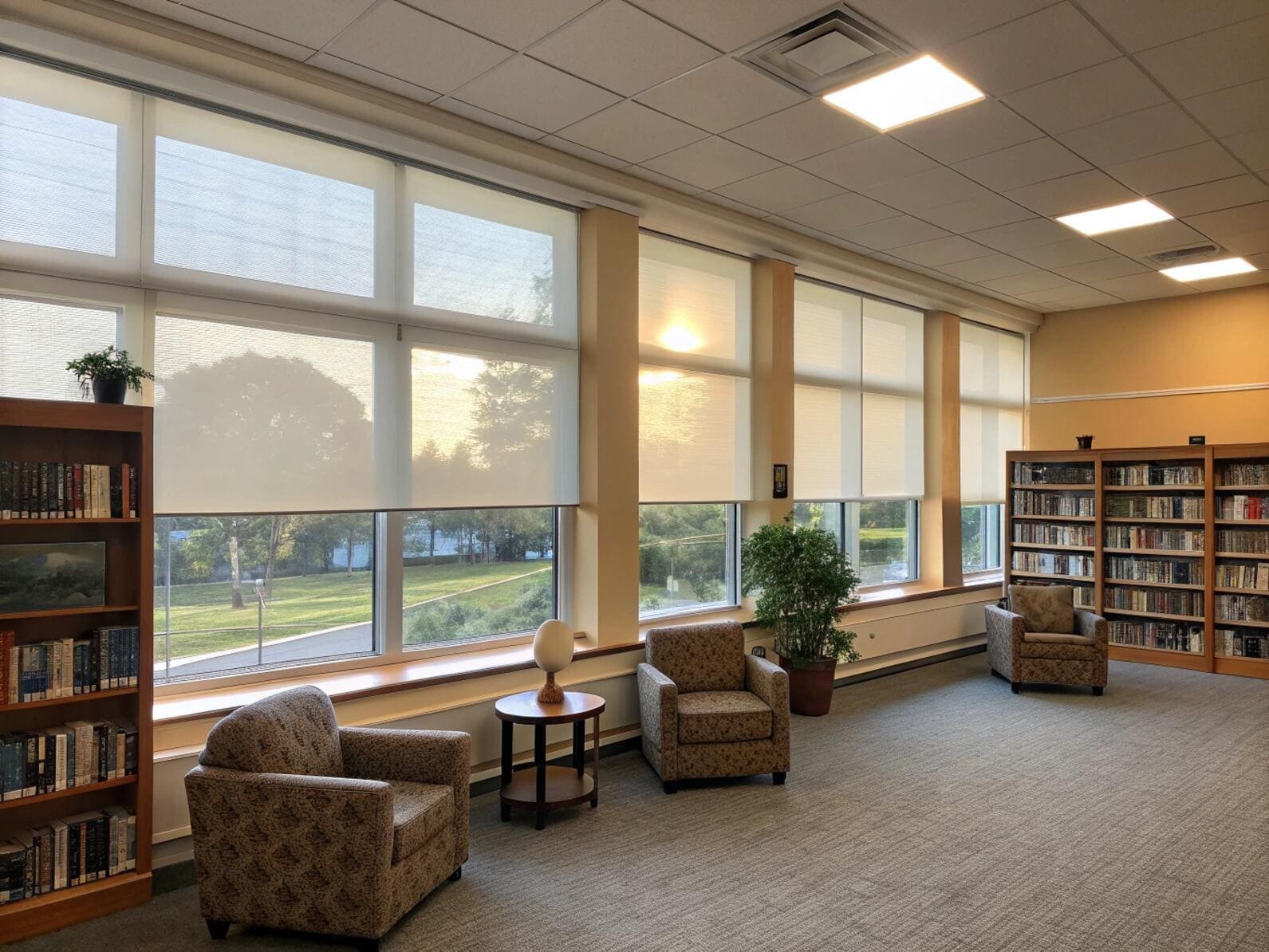
Being honest about a product's limitations is essential. With solar shades, the issues are consistent and predictable, which means we can plan for them.
| Disadvantage | Explanation | Solution |
|---|---|---|
| Nighttime Privacy | The "one-way" effect reverses at night when indoor lights are on, allowing outsiders to see in. | Layer with curtains or use a dual roller shade with a blackout fabric. |
| Poor Winter Insulation | The fabric is designed to block solar heat, not to trap indoor heat. It offers little protection from cold. | Layer with thermal drapes or pair with an insulating cellular shade. |
| View vs. Protection | You must choose between a clear view (high openness) and maximum UV protection (low openness). | Select a mid-range openness (3-5%) for a good balance in most rooms. |
By understanding these trade-offs, you can specify solar shades where they shine—in rooms needing daytime glare and UV control—and implement smart solutions to address their weaknesses.
Conclusion
Solar shades are a powerful, modern solution for blocking UV rays and heat without sacrificing your view. By choosing the right openness factor and layering for nighttime, they are a fantastic design tool.
---

[^1]: Get insights into the key differences between solar shades and traditional roller shades.
[^2]: Learn about the harmful effects of UV rays on your home and how to prevent damage.
[^3]: Explore how solar shades can protect your furniture while maintaining your view.
[^4]: Explore various window treatment options that provide UV protection.
[^5]: Discover how 1% openness affects UV protection and visibility in solar shades.
[^6]: Understand the importance of openness factor in choosing the right solar shades for your space.
[^7]: Learn how solar shades can help reduce glare in sun-filled spaces.
[^8]: Understand how solar shades manage sunlight and heat in your home.
[^9]: Find out how to choose window treatments that enhance productivity in a home office.
[^10]: Explore effective solutions for ensuring privacy at night with solar shades.
[^11]: Learn how layering can enhance the functionality of solar shades for privacy.
[^12]: Discover the benefits of a dual roller shade system for day and night use.
Partner with VelaBlinds for Your Next Project
Smart window treatments shouldn't be complicated. After working with 500+ distributors and contractors worldwide, I've streamlined the process to get you quality products, competitive pricing, and reliable support - every time.
Why project professionals choose VelaBlinds:
- ✅ Fast, Accurate Quotes - Detailed specs and pricing within 24 hours
- ✅ Transparent Pricing - No hidden fees, volume discounts clearly outlined
- ✅ Quality Assurance - Direct partnerships with certified OEM manufacturers
- ✅ Project Support - Dedicated account manager from quote to delivery
Start your next project:
📧 Quick Quote: Send your requirements to info@velablinds.com
📱 Direct Contact: WhatsApp +86 137 2012 8317
🌐 Browse Solutions: https://velablinds.com/
📁 Product Resources: Access spec sheets, catalogs & project files
Paul Chen, Founder
"I built VelaBlinds to solve the real challenges I faced as a project buyer - long lead times, unclear specs, and unreliable suppliers. Let's discuss how we can power your projects with smarter blinds."
Serving distributors and contractors across North America, Europe, and Australia since 2018.