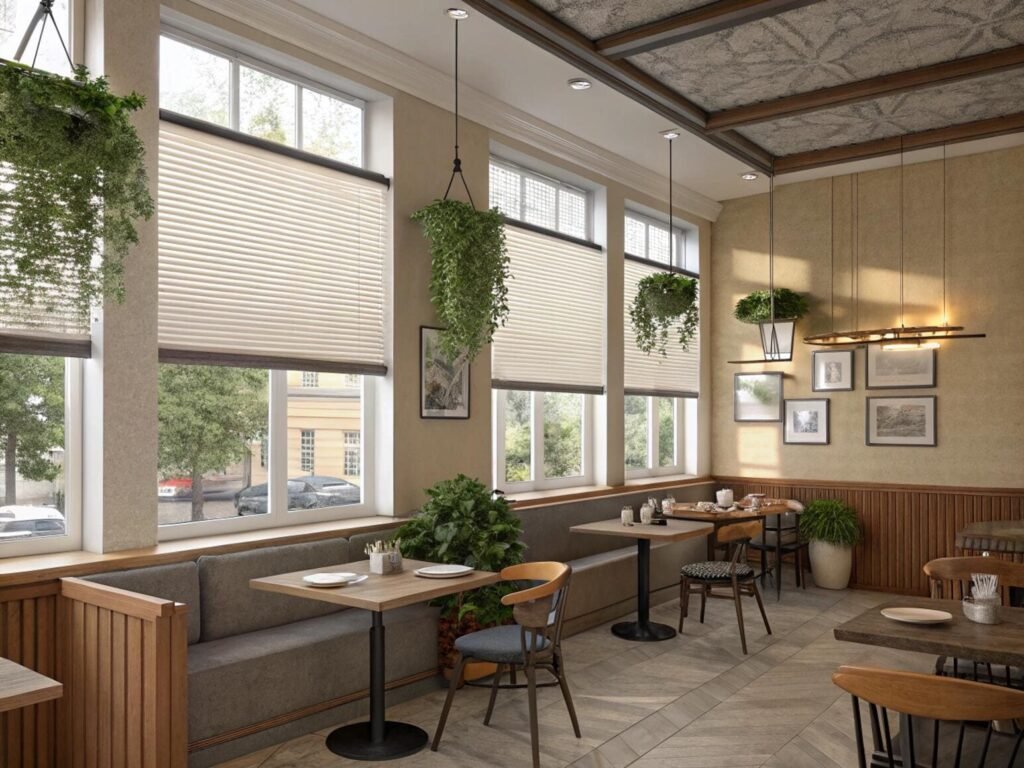
Traditional blinds force you to choose between privacy and natural light. Top-down bottom-up systems eliminate this compromise through innovative dual-operation design.
Top-down bottom-up blinds operate from both ends simultaneously, allowing privacy at eye level while maintaining natural light from above. This dual-functionality provides optimal light control and privacy management for modern living and working spaces.
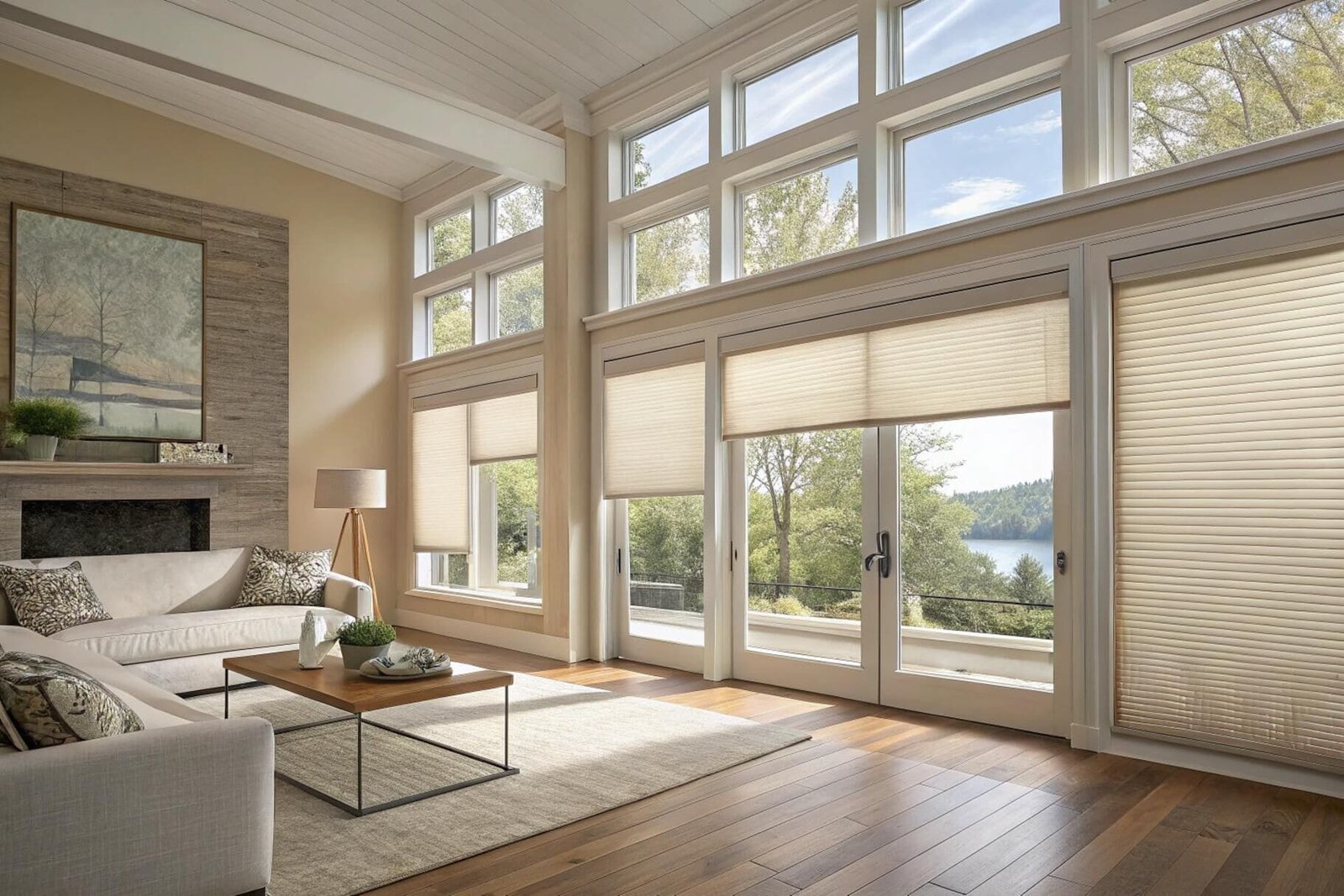
I discovered the power of top-down bottom-up blinds during a residential project where the client needed privacy from street-level pedestrians while preserving the beautiful natural light streaming through upper window areas. Traditional blinds couldn't solve both problems simultaneously.
What are the advantages of top-down bottom-up blinds?
Top-down bottom-up blinds[^1] solve multiple window treatment challenges simultaneously through their innovative dual-operation design. These systems provide unprecedented control over light and privacy.
Top-down bottom-up blinds offer privacy at eye level while maintaining natural light from above, energy efficiency[^2] through selective coverage, and enhanced interior aesthetics by eliminating the need for multiple window treatments.
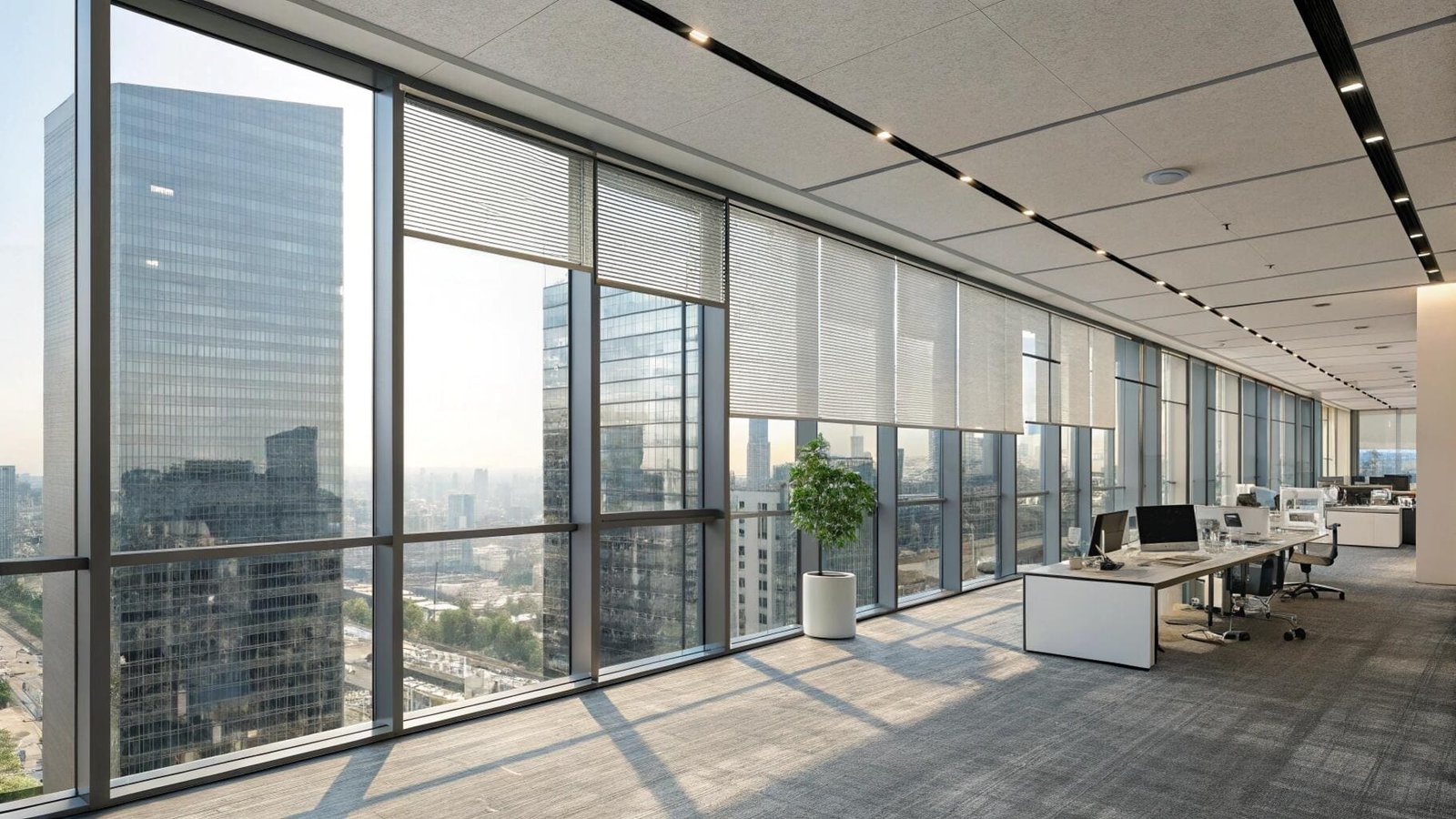
The privacy advantages of top-down bottom-up systems cannot be overstated for ground-floor applications. I've installed these in countless residential and commercial spaces where street-level privacy was essential but natural light remained a priority. The bottom-up operation provides complete privacy at eye level while the top-down function allows light to enter from above.
Natural light optimization becomes possible through selective window coverage. During morning hours, the bottom section can remain closed for privacy while the top section opens to capture overhead light. This selective approach maximizes natural illumination without compromising privacy requirements.
Energy efficiency improvements result from strategic light management throughout the day. By controlling specific window sections, occupants can minimize heat gain during summer months while maximizing solar heat during winter. This selective control reduces HVAC loads and energy costs significantly.
The aesthetic advantages eliminate the need for multiple window treatments or complex layering systems. A single top-down bottom-up blind provides all the functionality that might otherwise require separate privacy screens, light-filtering treatments, and blackout solutions. This simplification creates cleaner interior designs while reducing costs.
Glare control becomes more precise with dual-operation systems. The top section can be adjusted to block harsh overhead sun while the bottom section manages lower-angle light throughout the day. This precision prevents screen glare and eye strain in office environments.
Ventilation benefits arise from the ability to open bottom sections while maintaining upper privacy coverage. This partial opening allows air circulation without compromising security or privacy requirements, particularly important for ground-floor applications.
Top-Down Bottom-Up Advantages Summary
Privacy Benefits:
- Eye-level privacy with upper natural light access
- Street-level protection without light sacrifice
- Selective coverage for varying privacy needs
- Enhanced security through partial coverage options
Light Management:
- Precision control over light direction and intensity
- Glare reduction through selective positioning
- Maximum natural light utilization
- Seasonal optimization for energy efficiency
Design and Functionality:
- Single treatment replaces multiple systems
- Cleaner aesthetic than layered solutions
- Simplified operation and maintenance
- Cost-effective comprehensive solution
Do top-down, bottom-up shades go all the way up?
The operational range of top-down bottom-up shades depends on the specific system design and installation approach. Full retraction capabilities vary by manufacturer and model.
Yes, quality top-down bottom-up shades can fully retract to expose the entire window opening. The dual-rail system allows complete top and bottom operation while maintaining the structural integrity needed for reliable long-term performance.
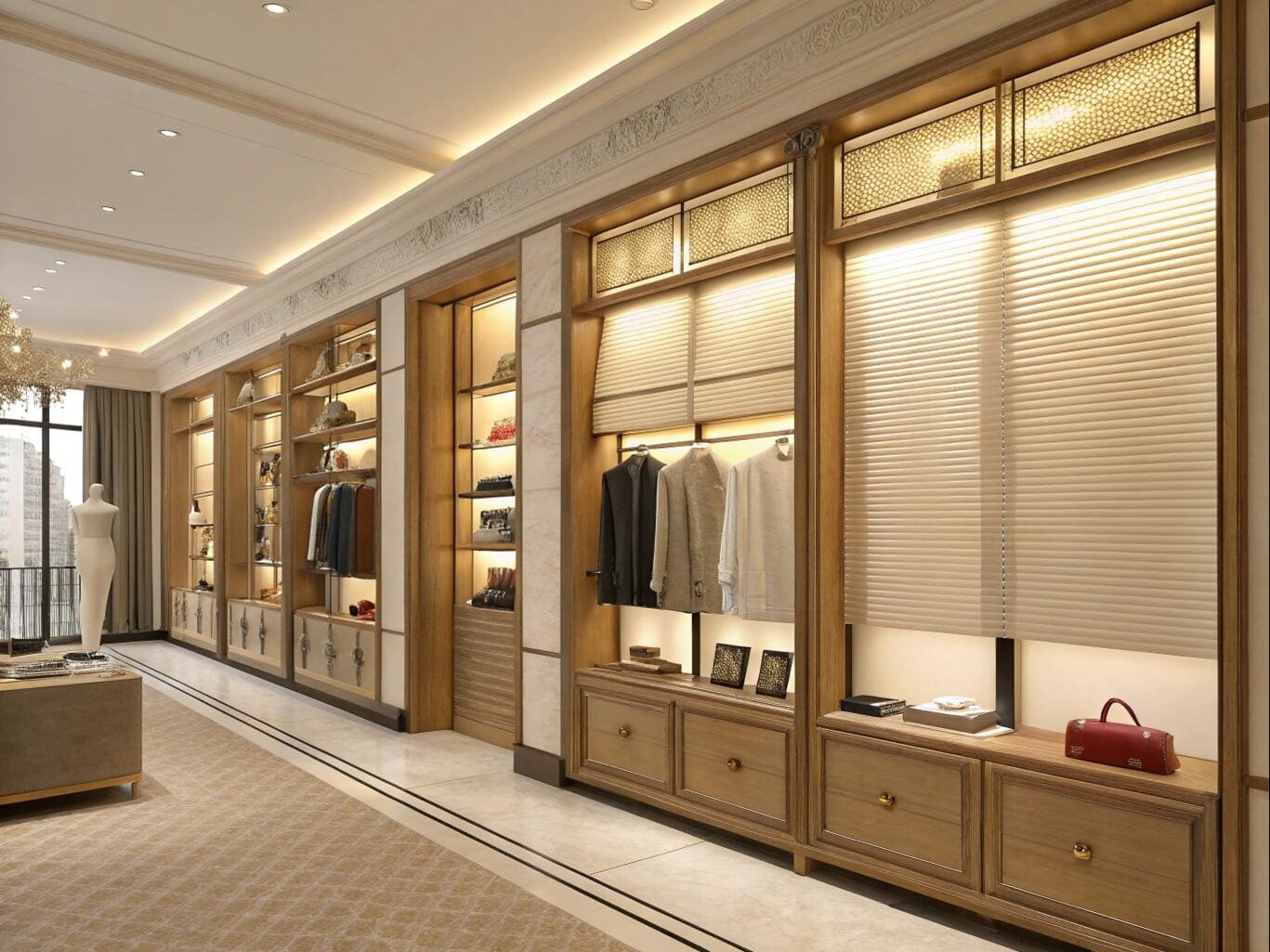
The engineering behind full retraction in top-down bottom-up systems requires sophisticated rail design and precise manufacturing tolerances. I've worked with systems that provide complete window exposure while maintaining the dual-operation capability that makes these blinds valuable.
Dual-rail systems enable full retraction by incorporating separate tracks for top and bottom operation. The shade fabric can stack completely at either end or distribute between both ends depending on the desired configuration. This flexibility allows maximum window exposure when needed while maintaining dual-operation capabilities.
Stacking height considerations become important for full retraction capability. The combined fabric from both operations creates a larger stack than single-operation blinds. Professional installation must account for adequate header space to accommodate full retraction without interference.
Motor integration for full retraction requires sophisticated control systems that manage both operations simultaneously or independently. Premium motorized systems can program specific positions that optimize both full retraction and partial positioning for various lighting conditions throughout the day.
The fabric weight and spring tension systems must be engineered to handle the additional complexity of dual-operation while maintaining smooth function across the full range of motion. Inferior systems may bind or operate unevenly when approaching full retraction positions.
Professional installation becomes critical for achieving full retraction performance. Proper mounting, alignment, and tension adjustment ensure that the system can reach complete extension and retraction without binding or uneven operation that compromises functionality.
Full Retraction System Requirements
Engineering Specifications:
- Dual-rail systems with precision manufacturing tolerances
- Adequate header space for combined fabric stacking
- Professional tension adjustment for smooth operation
- Quality hardware rated for extended operation cycles
Operational Considerations:
- Independent control of top and bottom sections
- Programmable positioning for optimal light management[^3]
- Smooth operation across full range of motion
- Reliable performance under daily use conditions
Is top down bottom up worth it?
The value proposition of top-down bottom-up blinds depends on specific application requirements and the importance of simultaneous privacy and light control. Cost-benefit analysis varies by situation.
Top-down bottom-up blinds are worth the investment for applications requiring privacy without light sacrifice, energy efficiency through selective coverage[^4], and simplified window treatment solutions. The premium pays for itself through enhanced functionality and reduced complexity.
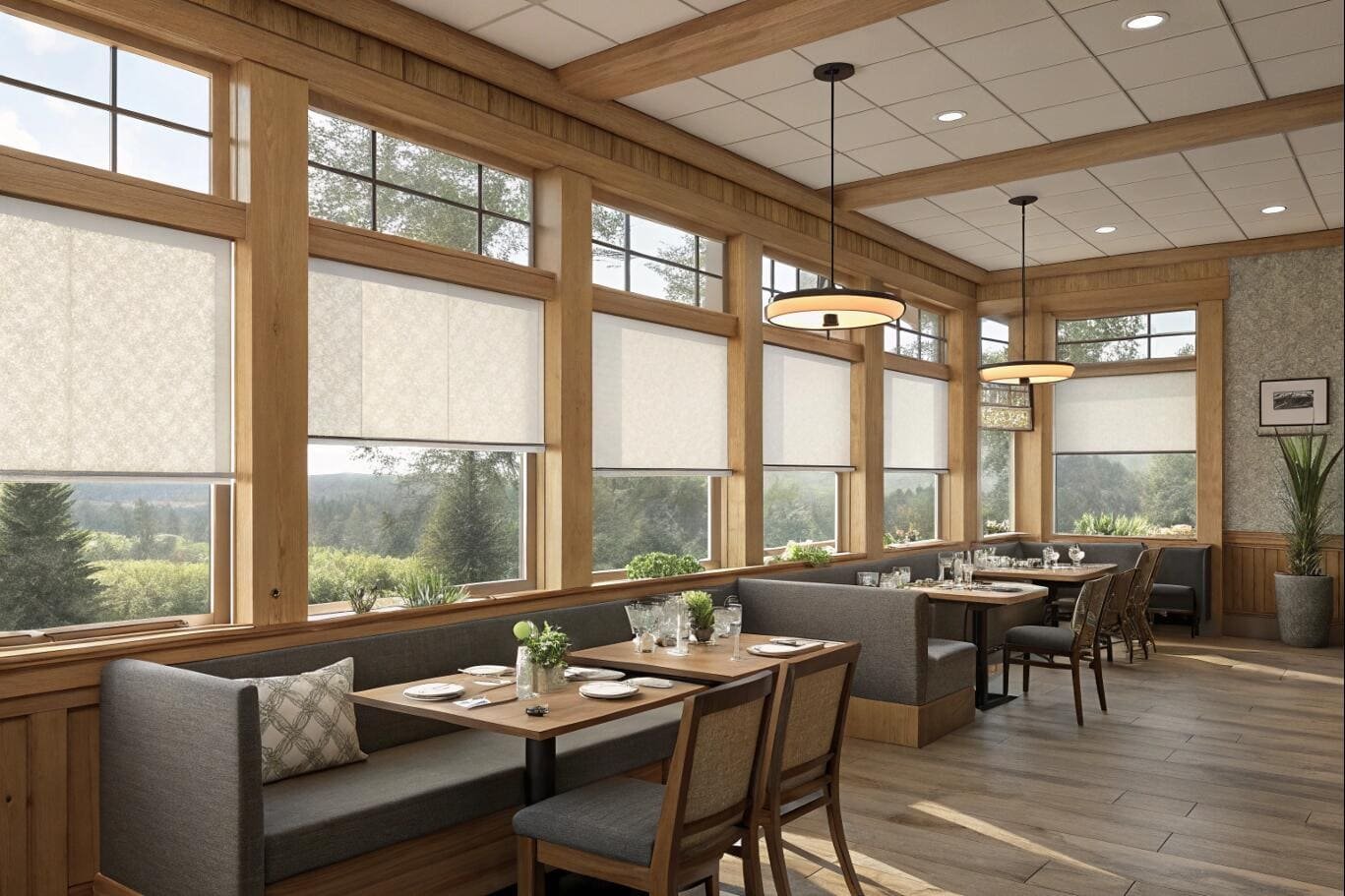
The investment analysis[^5] for top-down bottom-up systems must consider both immediate functionality benefits and long-term value creation. I've seen these systems pay for themselves through energy savings alone in many commercial applications where selective light control reduces HVAC loads significantly.
Cost comparison with alternative solutions often favors top-down bottom-up systems when multiple window treatments would otherwise be required. The ability to replace privacy screens, light-filtering blinds, and blackout treatments with a single system reduces both material and installation costs.
Energy efficiency benefits provide measurable returns through reduced heating and cooling costs. The selective coverage capability allows optimization of solar heat gain during winter months while preventing overheating during summer. Professional installations typically show 15-25% energy savings in properly designed applications.
Operational convenience creates value through simplified daily management. Instead of adjusting multiple treatments throughout the day, a single top-down bottom-up system provides all necessary light and privacy control. This convenience particularly benefits commercial applications where staff time has measurable value.
Maintenance advantages reduce long-term costs through simplified cleaning and service requirements. A single high-quality system requires less maintenance than multiple separate treatments while providing superior functionality and reliability.
The aesthetic value of simplified window treatments enhances interior design while reducing visual clutter. This design improvement can increase property values and create more appealing living or working environments.
Professional installation ensures maximum value realization through proper sizing, mounting, and operation setup. DIY installations often fail to achieve full system benefits due to improper tension adjustment or inadequate mounting procedures.
Value Analysis Framework
Immediate Benefits:
- Enhanced privacy without light sacrifice
- Simplified window treatment management
- Improved energy efficiency and comfort
- Superior aesthetic integration
Long-term Value:
- Reduced maintenance compared to multiple systems
- Energy cost savings through selective coverage
- Increased property value through design enhancement
- Extended service life of quality systems
Investment Considerations:
- Higher initial cost than basic single-operation blinds
- Professional installation recommended for full benefits
- Premium materials and mechanisms justify cost difference
- Payback period varies by application and energy costs
What is the difference between top-down bottom-up and clear fit?
Clear fit and top-down bottom-up represent different approaches to window treatment mounting and operation. Understanding these differences helps determine the appropriate solution for specific applications.
Clear fit refers to inside-mount installation that fits within the window frame, while top-down bottom-up describes the dual-operation functionality. These can be combined in systems that offer both clear fit mounting and dual-operation capabilities.
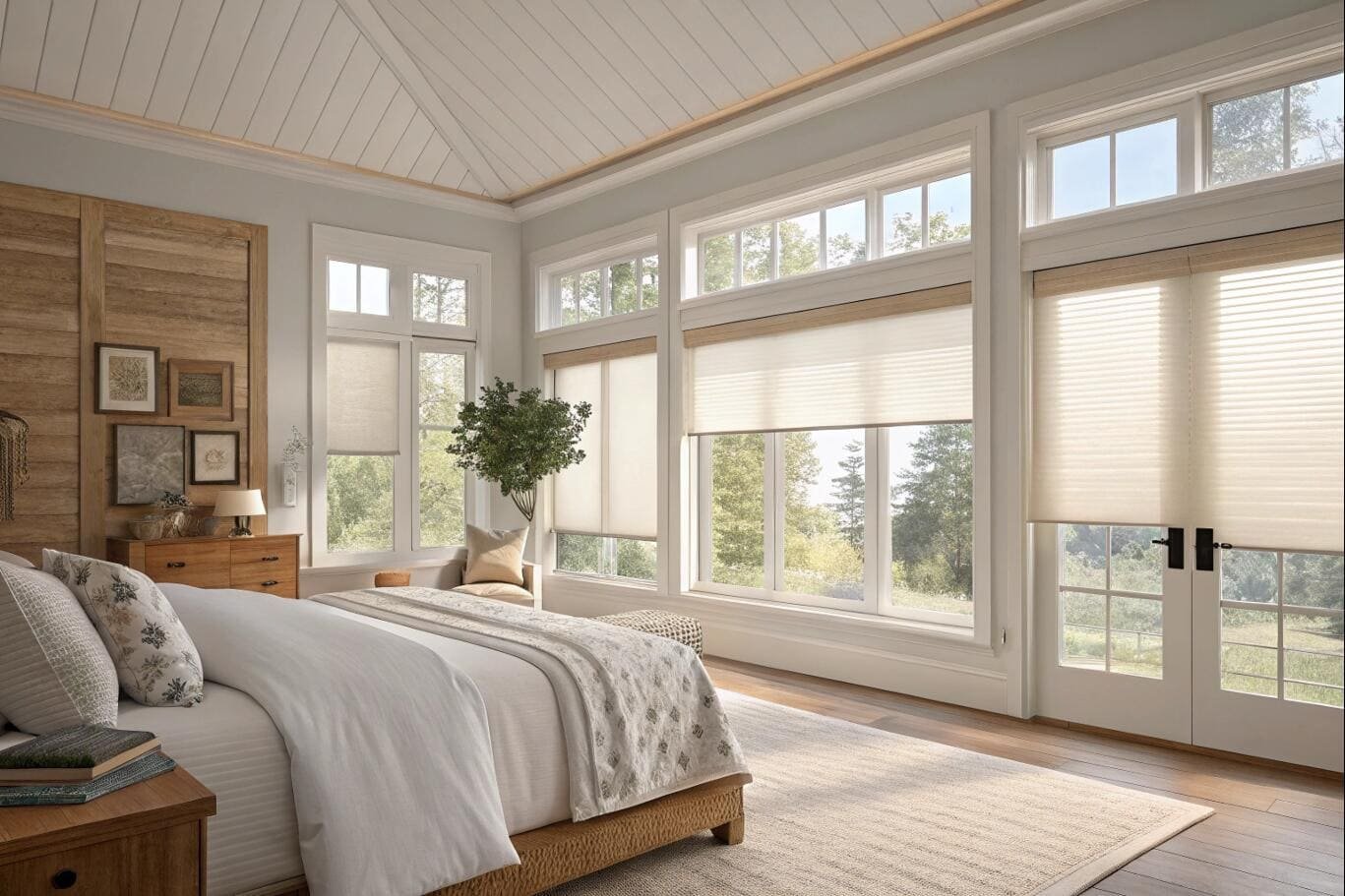
The terminology confusion between clear fit and top-down bottom-up stems from their different functional categories. Clear fit describes the installation method while top-down bottom-up describes the operation method. These features can be combined in the same blind system.
Clear fit installation mounts the blind system completely within the window frame, creating a clean appearance without protruding hardware. This inside-mount approach works well for windows with adequate frame depth and provides excellent aesthetic integration with interior design.
Top-down bottom-up operation can be achieved with either clear fit or outside-mount installation depending on window frame configuration and aesthetic preferences. The dual-operation functionality[^6] remains the same regardless of mounting approach.
Frame depth requirements differ between clear fit and outside-mount installations. Clear fit systems require adequate frame depth to accommodate the blind mechanism without interference. Outside-mount systems can be installed regardless of frame depth limitations.
Light control performance varies between mounting approaches. Clear fit installations allow some light leakage around the blind perimeter while outside-mount systems can provide better light blocking through overlap with the window frame.
The aesthetic impact differs significantly between mounting approaches. Clear fit creates a cleaner, more integrated appearance while outside-mount systems may appear more prominent depending on window frame design and interior aesthetics.
Professional measurement becomes critical for clear fit installations to ensure proper dimensions and adequate clearance. Outside-mount installations offer more flexibility in sizing and positioning but may require additional aesthetic considerations.
Clear Fit vs Outside Mount Comparison
Clear Fit Installation:
- Mounts completely within window frame
- Requires adequate frame depth for mechanism clearance
- Creates clean, integrated aesthetic appearance
- May allow minimal light leakage around perimeter
- Requires precise measurement for proper fit
Outside Mount Installation:
- Mounts on wall or window frame exterior
- No frame depth requirements or clearance limitations
- Can provide better light blocking through frame overlap
- More prominent visual appearance
- Offers greater flexibility in sizing and positioning
Top-Down Bottom-Up Compatibility:
- Available with both clear fit and outside mount options
- Functionality remains consistent regardless of mounting method
- Professional installation recommended for optimal performance
- Cost differences minimal between mounting approaches
How do top-down bottom-up blinds provide privacy while maintaining natural light?
The dual-operation design of top-down bottom-up blinds creates zones of coverage that address privacy and light requirements simultaneously. This zoned approach solves traditional window treatment compromises.
Top-down bottom-up blinds provide privacy by covering the lower window section at eye level while allowing natural light through the upper uncovered area. This zoned coverage maintains visual privacy without sacrificing illumination or creating a closed-in feeling.
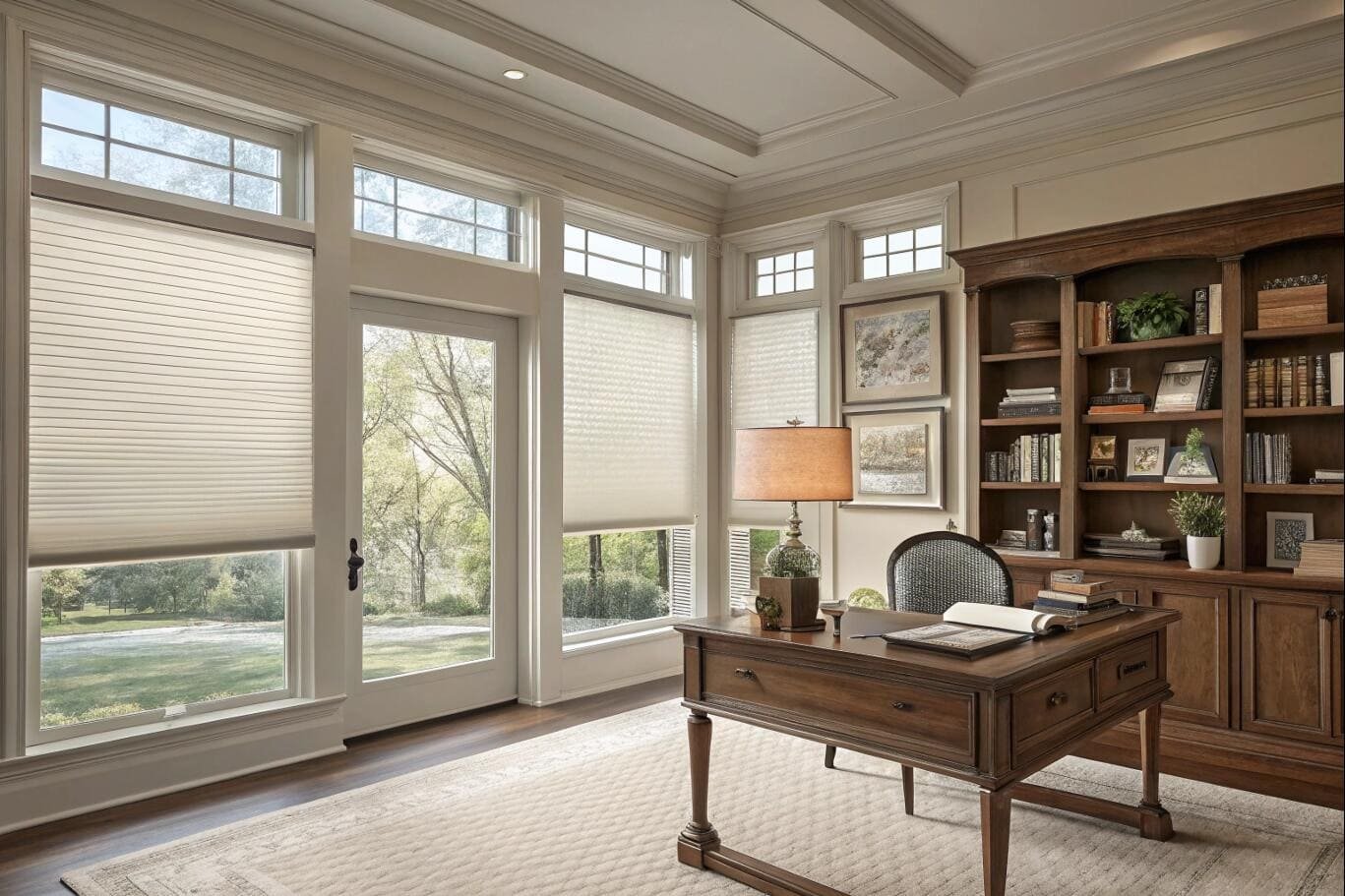
The privacy zone concept revolutionizes window treatment functionality by addressing specific viewing angles and light sources independently. I've implemented this approach in numerous residential and commercial projects where traditional blinds created unacceptable compromises between privacy and natural light.
Eye-level privacy protection focuses coverage on the window area where visual intrusion typically occurs. The bottom section of the blind covers the lower window portion that faces pedestrian and vehicle traffic while leaving upper areas exposed for natural light admission.
Upper light admission maintains the psychological benefits of natural illumination while providing physical privacy. The uncovered upper window area allows skylight and reflected light to enter the space without compromising privacy at the critical eye-level zone.
Glare control becomes more sophisticated through selective coverage of harsh light sources. The top section can be partially closed to block direct overhead sun while the bottom section manages lower-angle light throughout the day. This precision prevents screen glare and eye strain.
Street-level applications benefit dramatically from this zoned approach. Ground-floor offices and residences can maintain privacy from pedestrian traffic while preserving the natural light that makes spaces feel open and welcoming.
The psychological impact of maintained upper light cannot be understated. Completely closed blinds create a claustrophobic feeling that reduces productivity and comfort. Top-down bottom-up systems maintain the connection to exterior conditions while providing necessary privacy.
Seasonal adjustments optimize both privacy and light throughout the year. Winter positioning might emphasize solar heat gain while summer adjustments focus on heat rejection. The dual-operation capability allows precise seasonal optimization.
Privacy and Light Balance Strategies
Privacy Zone Management:
- Lower section coverage for eye-level privacy protection
- Upper section exposure for natural light admission
- Selective adjustment based on exterior activities
- Seasonal optimization for changing sun angles
Light Quality Control:
- Glare reduction through selective upper coverage
- Harsh light diffusion while maintaining illumination
- Directional light management for specific activities
- Energy efficiency through strategic solar heat control
Psychological Benefits:
- Maintained connection to exterior environment
- Reduced claustrophobic effects of complete closure
- Enhanced productivity through natural light exposure
- Improved occupant comfort and satisfaction
What window treatments work best with top-down bottom-up functionality?
Cellular shades and pleated blinds provide the most effective top-down bottom-up functionality due to their lightweight construction and smooth operation. Fabric choice significantly impacts performance.
Cellular shades offer superior top-down bottom-up performance through their lightweight honeycomb construction, excellent insulation properties, and smooth track operation. Light-filtering fabrics provide optimal balance between privacy and natural light transmission.

The cellular shade advantage for top-down bottom-up applications comes from their engineered lightweight construction that operates smoothly in dual-rail systems. I've installed hundreds of these systems and consistently achieve superior performance compared to heavier alternatives.
Honeycomb construction provides excellent insulation properties that enhance energy efficiency when combined with selective coverage capabilities. The air pockets within cellular fabric create thermal barriers that reduce heat transfer while maintaining the lightweight operation essential for reliable dual-operation performance.
Light-filtering fabrics offer the optimal balance for most top-down bottom-up applications. These materials provide privacy while allowing natural light transmission that maintains bright interior environments. The fabric selection dramatically affects both privacy and light performance.
Pleated blinds represent another excellent option for top-down bottom-up functionality, particularly in applications where space constraints limit cellular shade installation. The accordion-style fabric folds compactly while providing reliable dual-operation performance.
Roman shades can incorporate top-down bottom-up operation but require specialized hardware and professional installation due to their weight and fabric characteristics. The performance typically doesn't match cellular or pleated alternatives.
Roller blinds generally don't work well with top-down bottom-up operation due to their single-roll design that doesn't accommodate dual-operation mechanisms effectively. Specialized dual-roller systems exist but add complexity and cost.
Motorized operation enhances any top-down bottom-up system by providing precise positioning control and automated operation. Smart integration allows programming specific positions for different times of day or lighting conditions.
Treatment Performance Comparison
Optimal Performance:
- Cellular shades: Lightweight, excellent insulation, smooth operation
- Pleated blinds: Compact stacking, reliable dual-operation
- Light-filtering fabrics: Optimal privacy and light balance
Acceptable Performance:
- Roman shades with specialized hardware: Limited applications
- Hybrid systems with professional installation: Higher cost
Poor Performance:
- Standard roller blinds: Single-roll design incompatible
- Heavy fabric treatments: Operational difficulties
- Venetian blinds: Slat weight creates operational issues
How to install and operate top-down bottom-up cellular shades?
Professional installation ensures optimal performance while proper operation techniques maximize the benefits of dual-operation functionality. DIY installation often compromises system performance.
Top-down bottom-up cellular shade installation requires precise measurement, dual-rail mounting systems, and proper tension adjustment. Operation involves independent control of top and bottom sections through separate lift cords or motorized systems for optimal positioning.
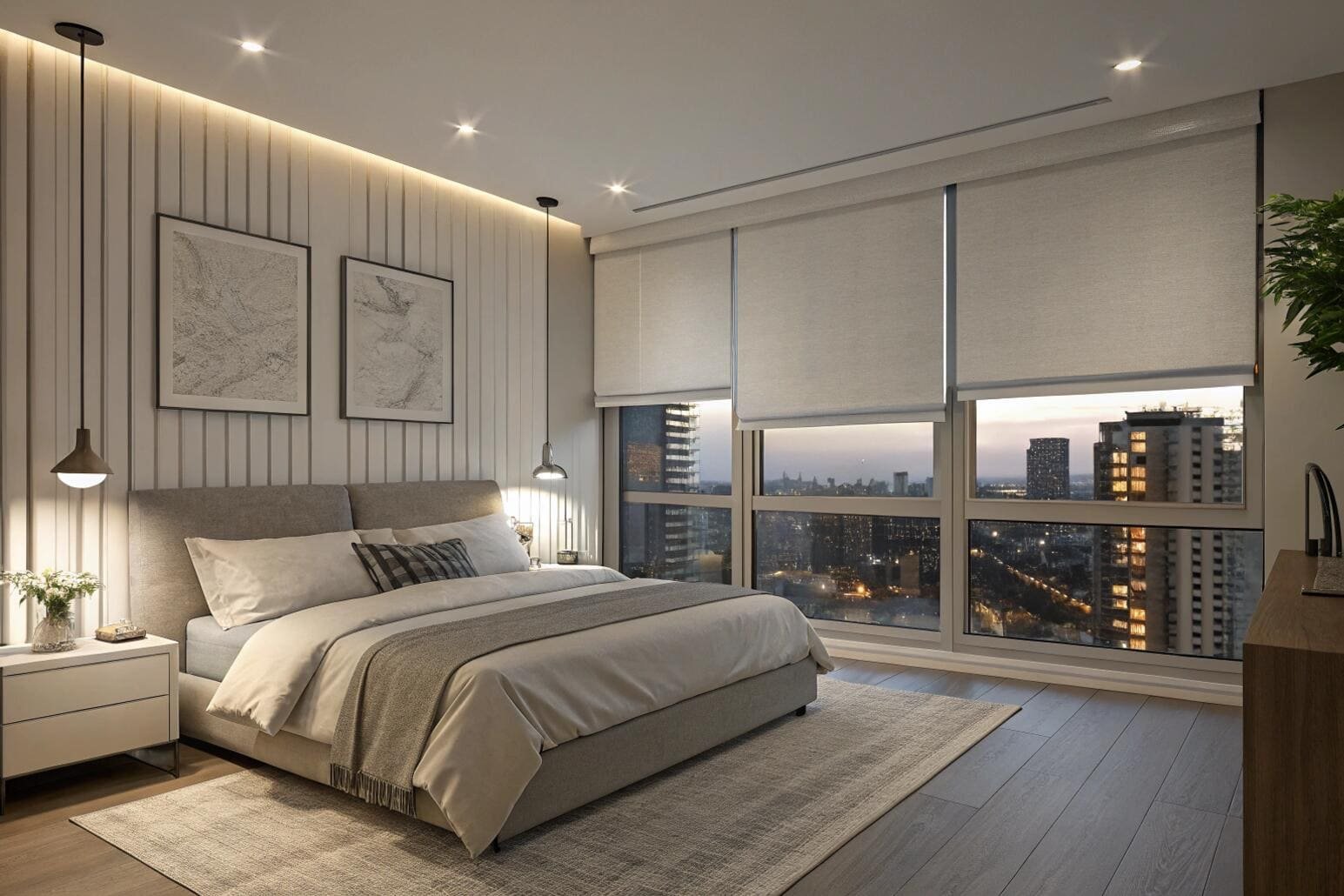
The installation complexity of top-down bottom-up cellular shades exceeds standard single-operation systems due to the dual-rail mechanism and precise alignment requirements. Professional installation becomes essential rather than optional for achieving reliable long-term performance.
Measurement precision becomes critical for dual-operation systems because both top and bottom mechanisms must fit within the same window opening. Inside-mount installations require exact frame dimensions while outside-mount systems need precise positioning to ensure proper operation clearance.
Dual-rail mounting systems require specialized brackets that support both operation mechanisms simultaneously. The mounting hardware must be engineered to handle the additional weight and operational forces of two independent systems while maintaining smooth operation over time.
Tension adjustment for both top and bottom sections must be balanced perfectly to ensure even operation and prevent binding. Improper tension creates uneven fabric positioning and premature wear that compromises system performance and appearance.
Operation techniques vary between manual and motorized systems. Manual operation requires understanding the independent cord systems for top and bottom sections while motorized systems can be programmed for specific positioning combinations.
Daily operation optimization involves adjusting both sections throughout the day to maintain optimal privacy and light conditions. Morning settings might emphasize privacy with upper light while afternoon adjustments could focus on glare control and heat management.
Professional programming for motorized systems can automate daily adjustments based on sun position, interior temperature, and occupancy schedules. This automation maximizes system benefits while eliminating the need for manual adjustment throughout the day.
Maintenance requirements include regular cleaning of both fabric sections and periodic lubrication of the dual-rail mechanism. Proper maintenance ensures continued smooth operation and extends system service life significantly.
Installation and Operation Guidelines
Professional Installation Requirements:
- Precise measurement accounting for dual-rail clearance
- Specialized mounting hardware for dual-operation systems
- Proper tension adjustment for balanced operation
- System testing and adjustment for optimal performance
Operation Best Practices:
- Independent positioning of top and bottom sections
- Daily adjustment for optimal light and privacy balance
- Seasonal repositioning for energy efficiency optimization
- Regular maintenance schedule for continued performance
Motorized System Benefits:
- Automated positioning based on environmental conditions
- Precise control through smartphone or wall controls
- Programmable schedules for daily optimization
- Smart home integration for advanced functionality
Maintenance Schedule:
- Monthly cleaning of fabric surfaces and rail mechanisms
- Quarterly lubrication of moving components
- Annual professional inspection and adjustment
- Prompt repair of any operational irregularities
Conclusion
Top-down bottom-up blinds solve the traditional compromise between privacy and natural light through innovative dual-operation design that provides precise control over both functions simultaneously.
Optimize Your Space with Dual-Operation Window Solutions
Transform your challenging privacy and lighting situations with engineered top-down bottom-up systems that eliminate traditional window treatment compromises. Professional installation ensures maximum performance and reliability.
Secure your custom top-down bottom-up solution designed for your specific privacy and lighting requirements. Get professional measurement, system recommendations, and installation coordination that delivers superior functionality.
Immediate benefits you'll experience:
- Privacy at eye level with natural light from above
- Energy savings through selective window coverage
- Simplified operation replacing multiple window treatments
- Enhanced interior aesthetics through integrated design
Stop struggling with inadequate window treatments that force compromises between privacy and natural light. Professional top-down bottom-up systems provide both functions optimally while reducing complexity and maintenance requirements.
Expert consultation and installation available:
- Custom measurement and engineering for your specific windows
- Material and operation recommendations based on your requirements
- Professional installation with performance guarantees
- Smart integration and automation options
Connect with our window treatment specialists:
Email: info@velablinds.com | WhatsApp: +86 13720128317
---

[^1]: Explore the advantages of these innovative blinds that offer both privacy and natural light control.
[^2]: Find out how these blinds can help reduce energy costs through smart design.
[^3]: Understand how effective light management can improve comfort and energy use.
[^4]: Learn how selective coverage can enhance both light and privacy management.
[^5]: Learn how to evaluate the long-term value of your window treatment choices.
[^6]: Discover how dual-operation enhances the versatility of window blinds.
Partner with VelaBlinds for Your Next Project
Smart window treatments shouldn't be complicated. After working with 500+ distributors and contractors worldwide, I've streamlined the process to get you quality products, competitive pricing, and reliable support - every time.
Why project professionals choose VelaBlinds:
- ✅ Fast, Accurate Quotes - Detailed specs and pricing within 24 hours
- ✅ Transparent Pricing - No hidden fees, volume discounts clearly outlined
- ✅ Quality Assurance - Direct partnerships with certified OEM manufacturers
- ✅ Project Support - Dedicated account manager from quote to delivery
Start your next project:
📧 Quick Quote: Send your requirements to info@velablinds.com
📱 Direct Contact: WhatsApp +86 137 2012 8317
🌐 Browse Solutions: https://velablinds.com/
📁 Product Resources: Access spec sheets, catalogs & project files
Jimmy Chen, Founder
"I built VelaBlinds to solve the real challenges I faced as a project buyer - long lead times, unclear specs, and unreliable suppliers. Let's discuss how we can power your projects with smarter blinds."
Serving distributors and contractors across North America, Europe, and Australia since 2018.