
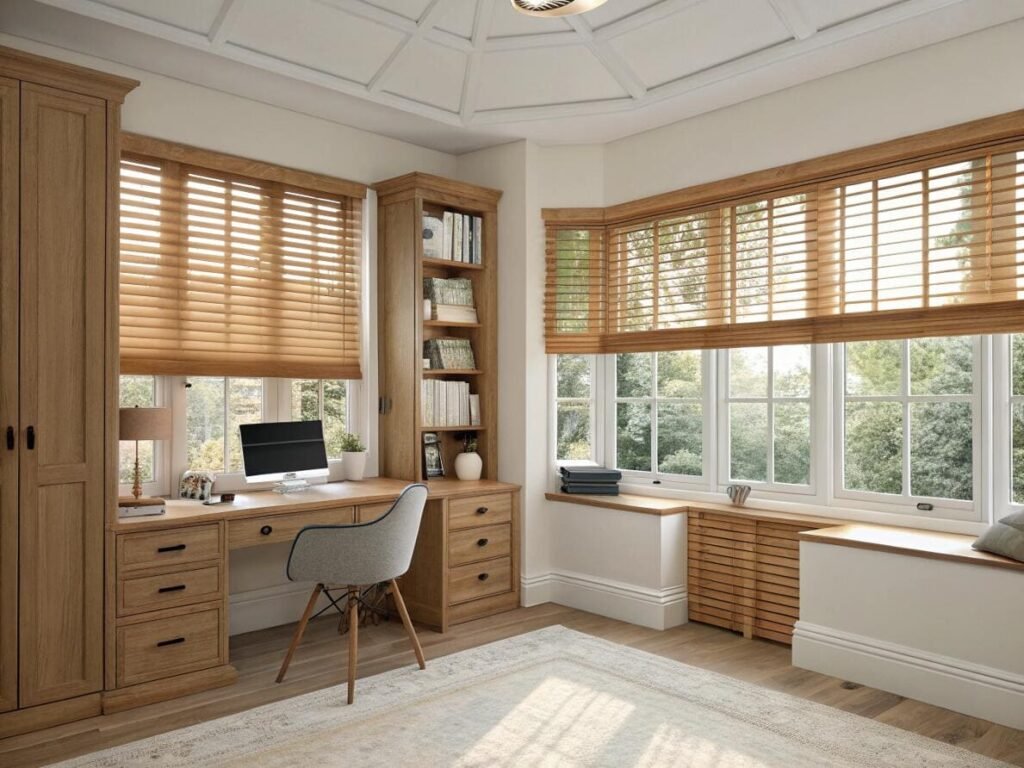
Your client's property has old, yellowed, and broken blinds. This makes the entire space look cheap and neglected, but replacing everything at once seems like a huge, unplanned expense.
On average, blinds should be replaced every 5 to 10 years, depending on the material. High-quality aluminum or honeycomb shades can last over a decade, while basic plastic blinds[^1] may need replacing in as little as 3 years.
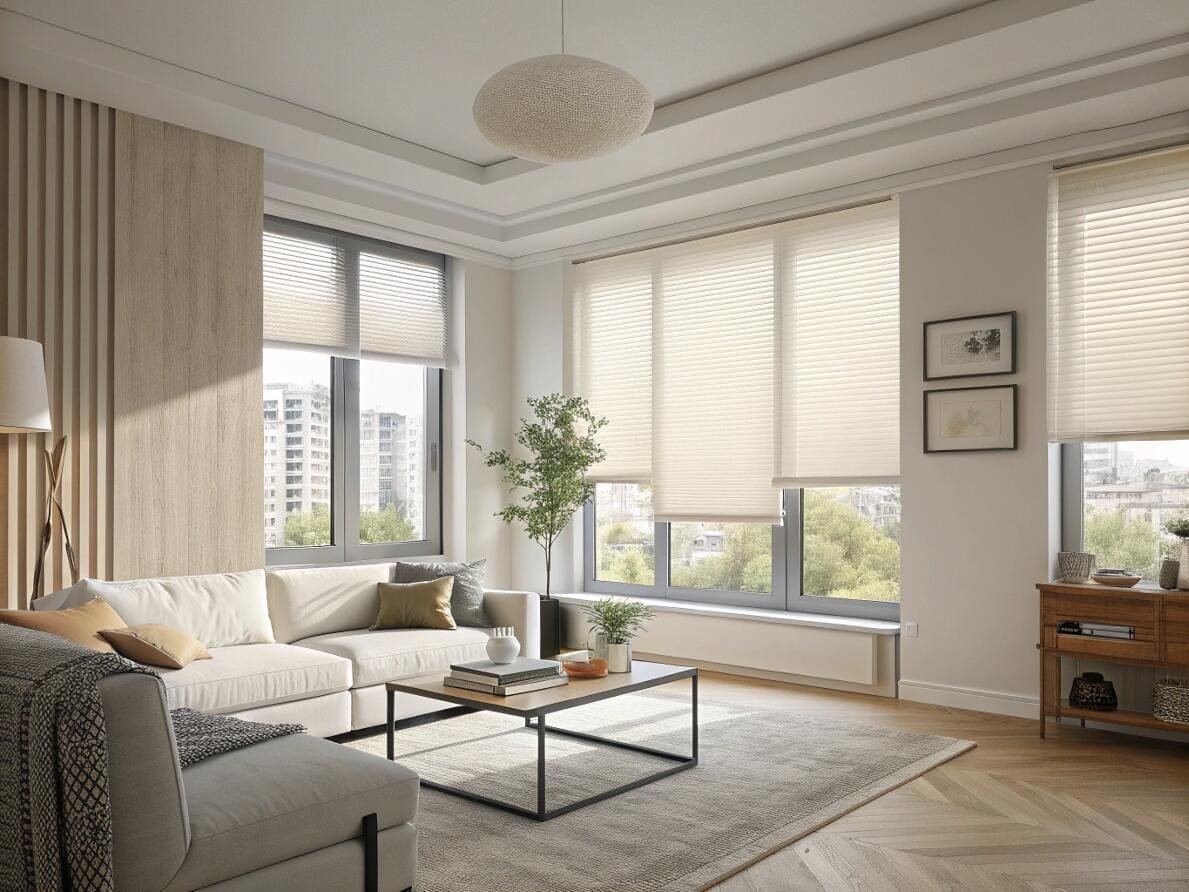
Knowing when to invest in new blinds[^2] is a balance. You don't want to replace them too early and waste your client's budget, but waiting too long can lead to functional failures and even safety hazards. As a supplier, I often work with project managers who need to plan for these replacements across entire portfolios. The key is to move beyond just looking at the age of the blind. You need a system based on material lifespan[^3], clear warning signs, and the potential return on investment. This way, you can make a smart, data-driven decision every time.
What is the average lifespan of different blinds?
You need to create a long-term budget for a property. How can you accurately predict when different types of window treatments will need replacement to avoid surprise costs?
A blind's lifespan is directly tied to its material. Expect 3-5 years for plastic, 5-7 for roller shades, 7-10 for aluminum, and 10-12 years for honeycomb shades[^4]. Motor systems typically last for about 10 years.

Not all blinds are created equal, and their life expectancy varies dramatically. Understanding these differences is essential for effective maintenance planning[^5] and budgeting. I always provide my partners with a simple chart to help them set realistic expectations for their properties. The durability is a direct result of how the material stands up to daily use and environmental factors like sunlight and temperature changes. Plastic is susceptible to UV degradation[^6], while metal is prone to mechanical wear over thousands of cycles.
Here’s a more detailed breakdown based on my experience in manufacturing and sourcing:
| Blind Type | Average Lifespan | Key Longevity Factors |
|---|---|---|
| Plastic/Vinyl Blinds | 3-5 Years | Quality of PVC; prone to UV yellowing and heat warping. |
| Fabric Roller Shades | 5-7 Years | Fabric type; edges can fray, and colors can fade. |
| Aluminum Blinds | 7-10 Years | Slat thickness and paint quality; mechanisms can wear out. |
| Honeycomb Shades | 10-12 Years | Fabric quality and internal cord strength. |
| Motorization System | ~10 Years | Rated for approx. 15,000 cycles (up/down). |
What are the warning signs that blinds need replacement?
The blinds on a property don't look brand new, but they seem to work. How do you decide if they need to be replaced now or if they can wait another year?
Look for clear signs of failure: slats that are warped more than 3mm, fabric that is noticeably faded, frayed cords, or any blinds that are difficult or noisy to operate. These are not just cosmetic issues.
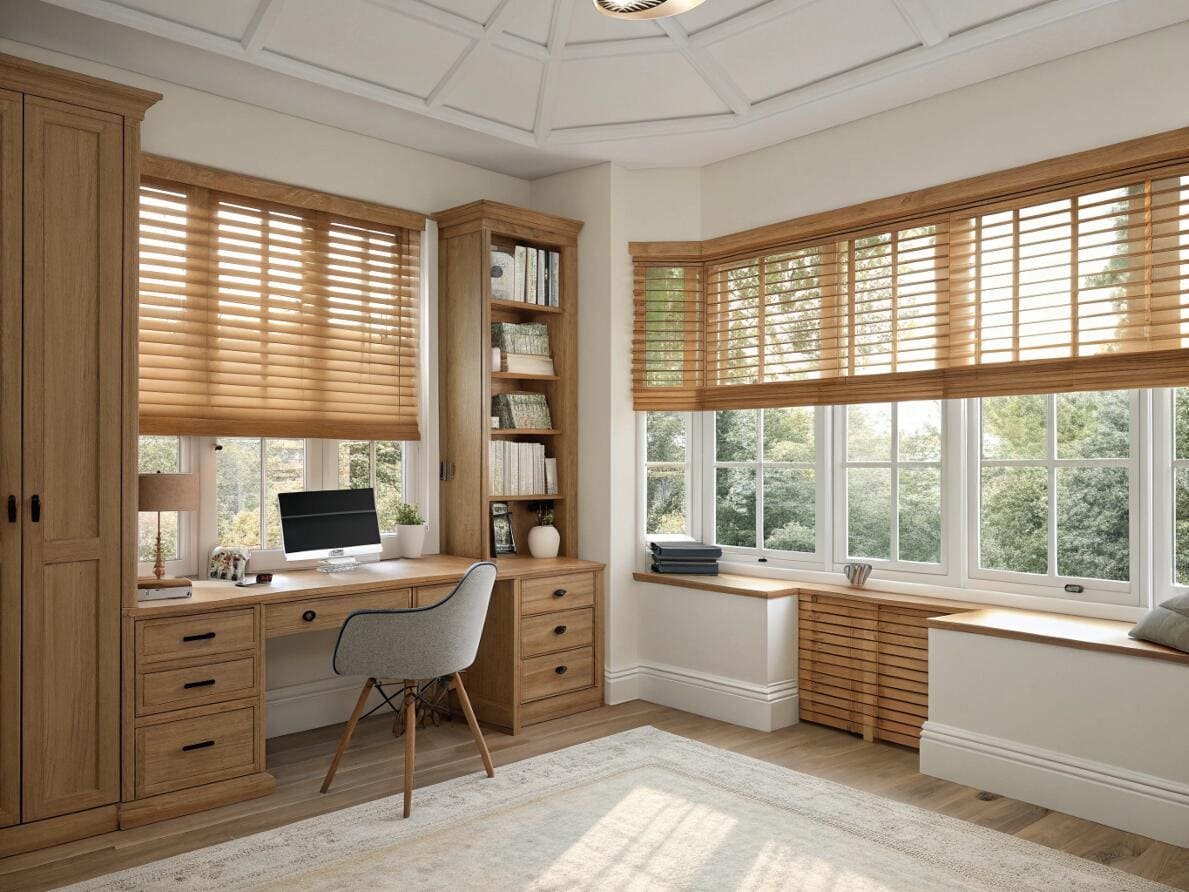
Relying on age alone can be misleading. A blind in a rarely used guest room will last much longer than the same blind in a hot, south-facing kitchen window. Instead, I train my partners to look for specific, measurable signs of wear and tear. These tell you that the material's integrity has been compromised and failure is likely.
Here are the critical replacement signals you should look for during any property inspection:
- Warped or Bent Slats: If slats are bowed by more than 3mm, they have been permanently damaged by heat or humidity and will never straighten out.
- Significant Discoloration: If the fabric or plastic has faded or yellowed by more than 25% compared to a hidden area (like under the headrail), it's a sign of serious UV degradation.
- Frayed Cords: Any visible fraying on lift cords or ladder tapes is a critical safety issue and indicates the blind is close to breaking.
- Difficult Operation: If you need to pull with excessive force (more than 12 Newtons) to lift the blind, the internal mechanisms are worn out.
- Loud or Grinding Noises: A healthy blind operates quietly. Any loud grinding or squealing, especially from a motor (over 60 dB), points to imminent mechanical failure.
Do new blinds actually increase a property's value?
You need to justify the expense of new blinds to a client or property owner. Is this just a maintenance cost, or can you frame it as a tangible investment?
Yes, new blinds are a capital improvement that directly increases property value[^7]. They boost curb appeal, improve energy efficiency, and add modern functionality that is highly attractive to buyers and renters.
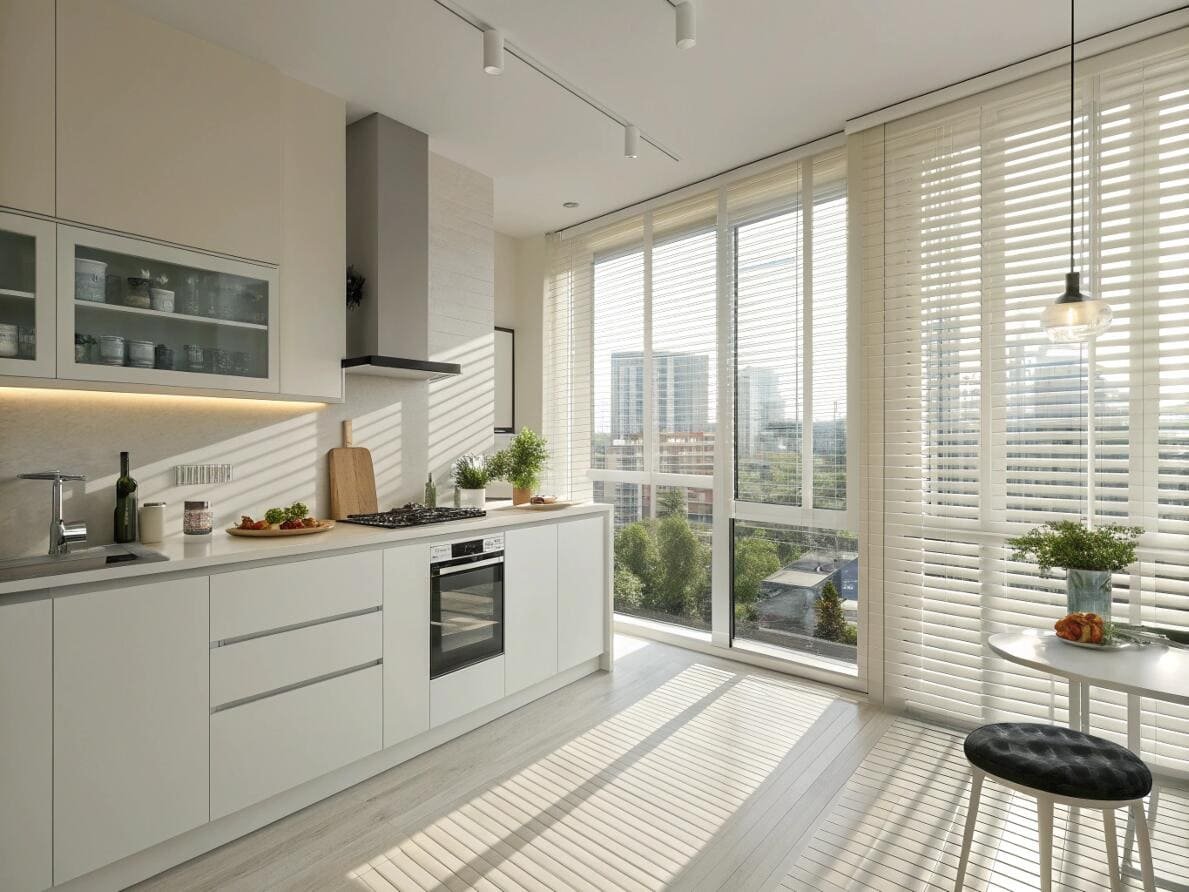
This is a crucial point for any project buyer. New blinds are not just a simple repair; they are an upgrade that pays for itself in several ways. First is the immediate aesthetic uplift. Fresh, clean window treatments make a property look well-maintained and modern, which can directly influence the perceived value and asking price.
Second is the measurable performance benefit. Upgrading from an old aluminum blind to a modern honeycomb shade can significantly improve a window's thermal resistance[^8]. Based on a thermal improvement of 1.6 W/m², a property in a cold North American climate could save 6-9% on annual heating costs. This is a powerful selling point. Finally, new blinds are a gateway to a smarter home. Adding motorization and smart hub integration is a feature that today's tech-savvy buyers actively seek out and are willing to pay a premium for, whether in purchase price or monthly rent.
What's the real cost breakdown for new blinds?
You're planning a budget for a window treatment upgrade. You need to understand where the money goes to decide if options like motorization are worth the investment.
The material itself makes up about 55% of the total cost. The motorization system adds another 25%, with installation (15%) and disposal of the old product (5%) making up the rest.
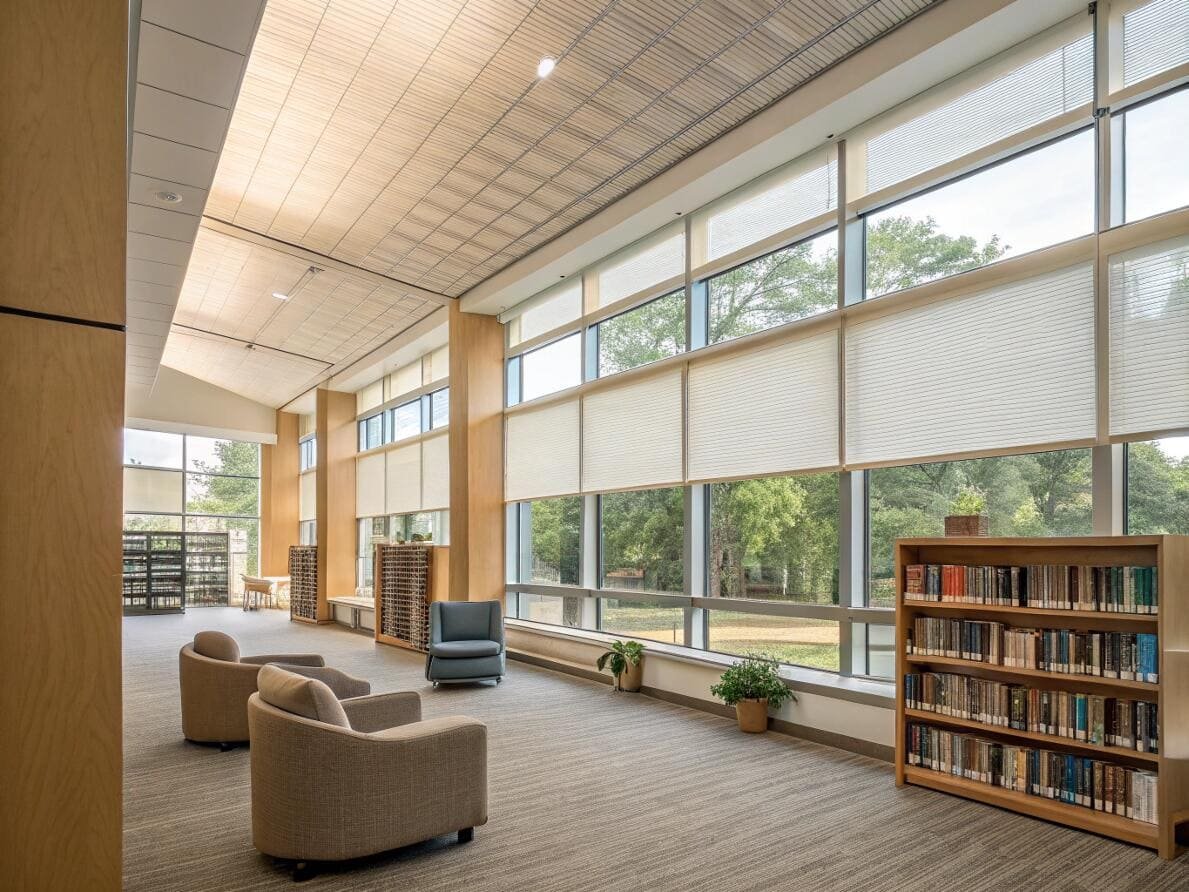
Understanding the cost structure allows you to make informed trade-offs. The base price of any blind is driven by the material—a cellular shade will cost more than a simple vinyl blind. This is the largest part of your investment, so choosing a durable material with a long lifespan is crucial for good ROI.
The next biggest component, at around 25%, is the electromechanical system. This includes the motor, the power source (battery or hardwired), and the controls (remote or wall switch). While it adds to the upfront cost, it also adds the most significant value in terms of convenience and modern appeal. Installation and disposal are smaller but essential parts of the budget. Factoring them in from the start ensures there are no surprise charges. When you get a quote, these components should be clearly itemized so you know exactly what you are paying for.
How can you dispose of old blinds responsibly?
You've just finished a replacement[^9] project and are left with a pile of old blinds. You want to do the right thing, but you're not sure how to dispose of them sustainably.
Disposal methods depend on the material. Aluminum is highly recyclable and should be taken to a scrap metal facility. Wood can be repurposed, but PVC and fabrics are generally difficult to recycle and must be handled correctly.
Responsible disposal is the final step of any professional replacement project. Simply throwing old blinds in a dumpster is wasteful and environmentally harmful. Here’s a quick guide to share with your installation team:
- Aluminum Blinds: This is the most eco-friendly option. Aluminum is 100% recyclable. After removing the cords and any plastic end caps, the slats and headrail can be sold or dropped off at any local scrap metal yard.
- PVC/Vinyl Blinds: These are the most difficult to dispose of. Most city recycling programs do not accept them. You should check for specialized local plastic recyclers or ask the manufacturer if they have a take-back program.
- Wood & Faux Wood Blinds: Real wood slats can be composted (if unpainted) or repurposed for small DIY projects[^10]. Faux wood is a composite material and, like PVC, is generally considered trash.
- Fabric Shades (Roller/Honeycomb): Disassemble the blind first. The fabric component is usually non-recyclable, but the aluminum roller tube and headrail can be recycled with other metals.
How can you plan a phased upgrade to smart blinds?
A full-scale upgrade to a fully automated smart blind system seems expensive. How can you approach this strategically to manage the budget and technology over time?
Start by installing high-quality, "motor-ready" manual blinds. In phase two, add motors to key rooms. Finally, integrate everything with a smart hub for complete control and automation.
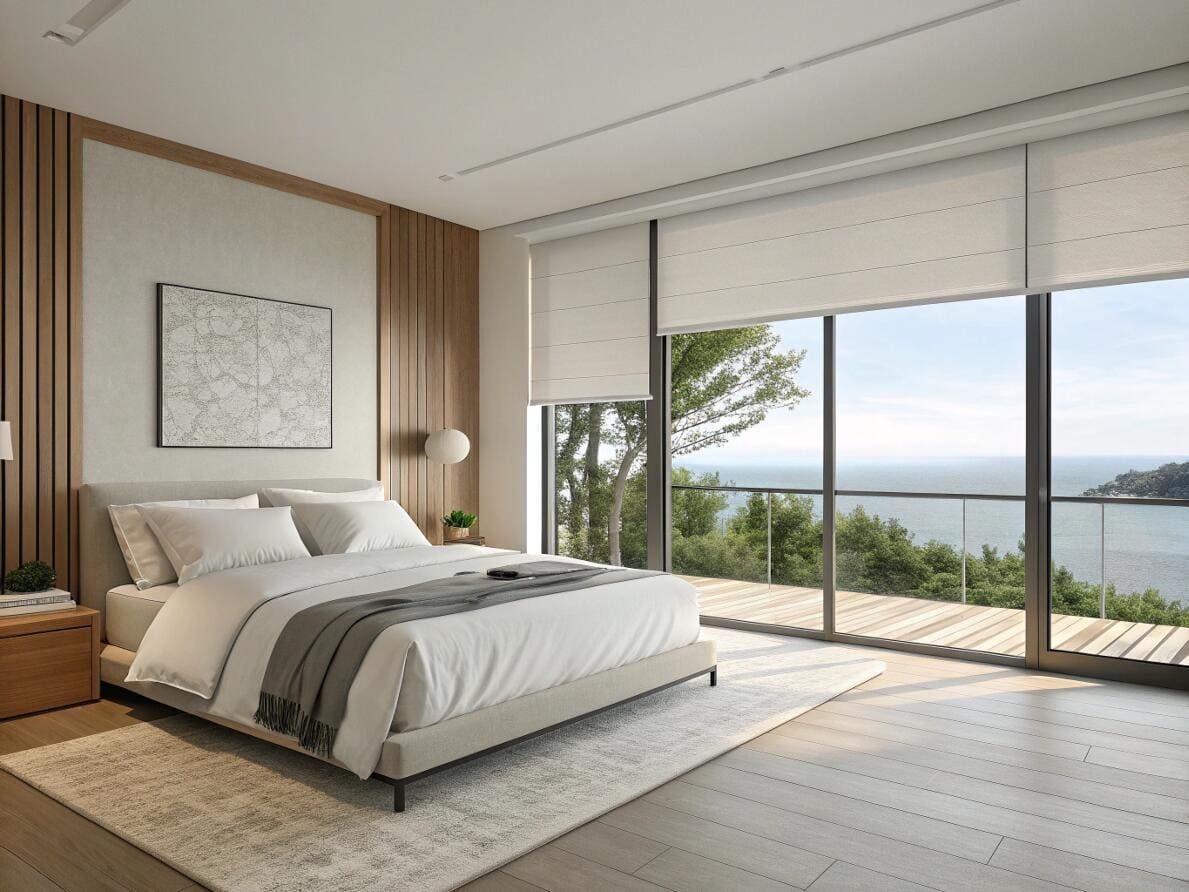
Upgrading an entire property to smart blinds doesn't have to happen all at once. A phased approach makes the investment manageable and allows your client to experience the benefits at each stage. I recommend this three-step roadmap to my partners.
Step 1: Build a Strong Foundation (Now). When it's time to replace old, failing blinds, don't just buy the cheapest option. Invest in high-quality manual blinds made from a durable material like aluminum or honeycomb fabric. The most important specification is to ensure they are "motor-ready," meaning the headrail is designed to easily accept a motor in the future. This is smart, cost-effective future-proofing.
Step 2: Selective Automation (Year 1-2). You don't need to motorize every window at once. Identify the rooms that would benefit most from automation—like the master bedroom for a scheduled wake-up sequence or a west-facing living room to block afternoon sun. Add motors and simple remotes to these blinds first.
Step 3: Full Integration (Year 2+). Once several rooms are motorized, the final step is to add a central smart hub. This device connects all your motorized blinds, allowing them to be controlled together from a smartphone app, by voice command, or on automated schedules. This is when you unlock the full potential of a truly smart home.
Conclusion
Replacing blinds is a smart investment, not just an expense. By recognizing clear warning signs and understanding material lifespans, you can create a capital improvement plan that boosts property value, enhances energy efficiency, and modernizes any space.
---

[^1]: Discover the durability and maintenance needs of plastic blinds.
[^2]: Explore various types of blinds to find the best fit for your space and budget.
[^3]: Understanding material lifespan helps in making informed purchasing decisions.
[^4]: Learn why honeycomb shades are a popular choice for energy efficiency and style.
[^5]: Learn effective strategies for maintaining your window treatments.
[^6]: Understand how UV exposure affects the lifespan of your blinds.
[^7]: Discover how upgrading blinds can enhance your property's market appeal.
[^8]: Learn how thermal resistance can improve your home's energy efficiency.
[^9]: Learn about the ideal replacement schedule to maintain aesthetics and functionality.
[^10]: Get creative ideas for repurposing old blinds into useful items.
Partner with VelaBlinds for Your Next Project
Smart window treatments shouldn't be complicated. After working with 500+ distributors and contractors worldwide, I've streamlined the process to get you quality products, competitive pricing, and reliable support - every time.
Why project professionals choose VelaBlinds:
- ✅ Fast, Accurate Quotes - Detailed specs and pricing within 24 hours
- ✅ Transparent Pricing - No hidden fees, volume discounts clearly outlined
- ✅ Quality Assurance - Direct partnerships with certified OEM manufacturers
- ✅ Project Support - Dedicated account manager from quote to delivery
Start your next project:
📧 Quick Quote: Send your requirements to info@velablinds.com
📱 Direct Contact: WhatsApp +86 137 2012 8317
🌐 Browse Solutions: https://velablinds.com/
📁 Product Resources: Access spec sheets, catalogs & project files
Paul Chen, Founder
"I built VelaBlinds to solve the real challenges I faced as a project buyer - long lead times, unclear specs, and unreliable suppliers. Let's discuss how we can power your projects with smarter blinds."
Serving distributors and contractors across North America, Europe, and Australia since 2018.