

Struggling with stubborn mold on your window blinds? It ruins the look of a project and raises serious health concerns for clients. This persistent problem can damage your reputation.
The best way to prevent mold on blinds[^1] is to control the micro-environment between the blind and the window. This means choosing waterproof materials, ensuring there is a gap for air to circulate, and actively managing humidity levels in the room to keep them below 50%.

This might sound simple, but most people treat mold as a cleaning issue after it appears. I've seen countless projects where beautiful installations were ruined within a year because of this misunderstanding. The real secret isn't about cleaning; it's about prevention from day one. To truly protect your investment and keep your clients happy, you need to understand what causes mold in the first place and build a defense system against it. Let’s dive into how you can create a mold-free environment for your window treatments.
What causes mold on blinds?
Seeing mold reappear on blinds is frustrating. You clean it, but it comes right back, making you question the product or your cleaning methods. This cycle is a common headache.
Mold grows on blinds because of a perfect storm of three conditions: excess moisture, warmth, and poor air circulation. The small space between the blind and the window pane creates a micro-environment[^2] where condensation and humidity get trapped, creating an ideal breeding ground for mold spores.

Let's break this down further. I call this the "Mold Triangle." For mold to thrive, it needs all three sides of this triangle. The window area is often a prime location. In my early days, I worked on a residential project in a humid coastal area. The designer chose beautiful fabric Roman shades, but within six months, the client complained about black spots along the bottom. The problem wasn't the blinds themselves; it was the environment we put them in. The single-pane windows created a lot of condensation, and the thick fabric trapped that moisture against the glass. There was no airflow. We learned a valuable lesson: the window micro-environment is the real culprit.
| Factor | Description | Common Source Near Windows |
|---|---|---|
| Moisture | Humidity levels above 50% | Condensation on cold glass, steam from kitchens/bathrooms, high regional humidity. |
| Food Source | Organic material for mold to consume | Dust, dirt, and natural fibers like wood, cotton, or linen. |
| Lack of Airflow | Stagnant air that traps moisture | Blinds installed too close to the glass, kept closed for long periods. |
Understanding this triangle is the first step. You can't just clean the mold; you have to remove one of its core needs.
What materials and blind types are naturally mold-resistant for high-humidity environments?
Worried that your blind choice will lead to mold problems? Choosing the wrong material for a bathroom or kitchen can create a maintenance nightmare for your client down the line.
For high-humidity areas, choose blinds made from non-porous, waterproof materials[^3]. PVC, faux wood, and aluminum are excellent choices because they do not absorb moisture and offer no organic material for mold to feed on. These materials make mold growth nearly impossible.

When I consult with designers on projects for humid climates or moisture-prone rooms like spas and bathrooms, material selection is my top priority. We need to eliminate the "food source" part of the Mold Triangle. Natural materials like real wood or cotton look beautiful, but they are porous. They act like a sponge, soaking up ambient moisture and providing a feast for mold spores. That's why we focus our product line at VelaBlinds on smarter, more resilient options.
Here’s a quick comparison of the best mold-resistant materials:
| Material | Mold Resistance | Durability | Best For |
|---|---|---|---|
| PVC / Vinyl | Excellent | High | Roller Shades, Vertical Blinds for any room |
| Faux Wood | Excellent | High | Venetian Blinds for a classic look, great for bathrooms |
| Aluminum | Excellent | Very High | Venetian Blinds, commercial spaces, minimalist design |
PVC and vinyl are champions in wet environments. They are completely waterproof and incredibly easy to wipe clean. Faux wood gives you the warm aesthetic of real wood without the risk of warping, cracking, or molding. Aluminum is another great choice, particularly for commercial projects, due to its durability and clean, modern look. By choosing one of these materials, you are actively designing a solution to prevent mold before it can ever start.
How to optimize ventilation and humidity control to prevent blind mold formation?
Do you find mold growing even on mold-resistant blinds? This means the environment itself is the problem. Just choosing the right material is not always enough to win the battle.
To truly prevent mold, you must maintain proper ventilation and keep indoor humidity below 50%. This involves regularly opening windows, using exhaust fans in kitchens and bathrooms, and ensuring there is an air gap of at least one inch between the blind and the window pane.

Controlling the environment is the most powerful strategy you have. I think of it as creating an invisible shield. Mold cannot grow in dry, moving air. One of the biggest mistakes I see in installation is fitting blinds too tightly against the window frame. It might look clean, but it creates a sealed, stagnant air pocket where moisture from condensation gets trapped. This is why we always specify a small gap during installation. This allows air to circulate naturally, drying out any condensation that forms on the glass.
For project managers and designers like Emma, providing clients with a simple maintenance guide is a huge value-add. Advise them to:
- Aerate Daily: Open windows for 15 minutes each day to exchange stale, humid air with fresh, dry air.
- Use Exhaust Fans: Always run the fan during and after showers or cooking to pull moisture out of the air before it can settle.
- Consider a Dehumidifier: In basements or regions with very high ambient humidity, a dehumidifier is a worthy investment to keep the indoor relative humidity consistently below that 50% threshold.
By combining the right materials with active environmental control, you create a comprehensive system that makes mold growth[^4] almost impossible.
How to clean mold without spreading spores?
You've found mold on the blinds. The first instinct is to wipe it away, but doing it wrong can spread invisible spores, making the problem worse and creating a health risk.
To clean mold safely, you must contain the spores. Wear protective gear, use a damp cleaning method instead of dry dusting, and dispose of all cleaning materials[^5] immediately. This prevents spores from becoming airborne and landing on other surfaces.
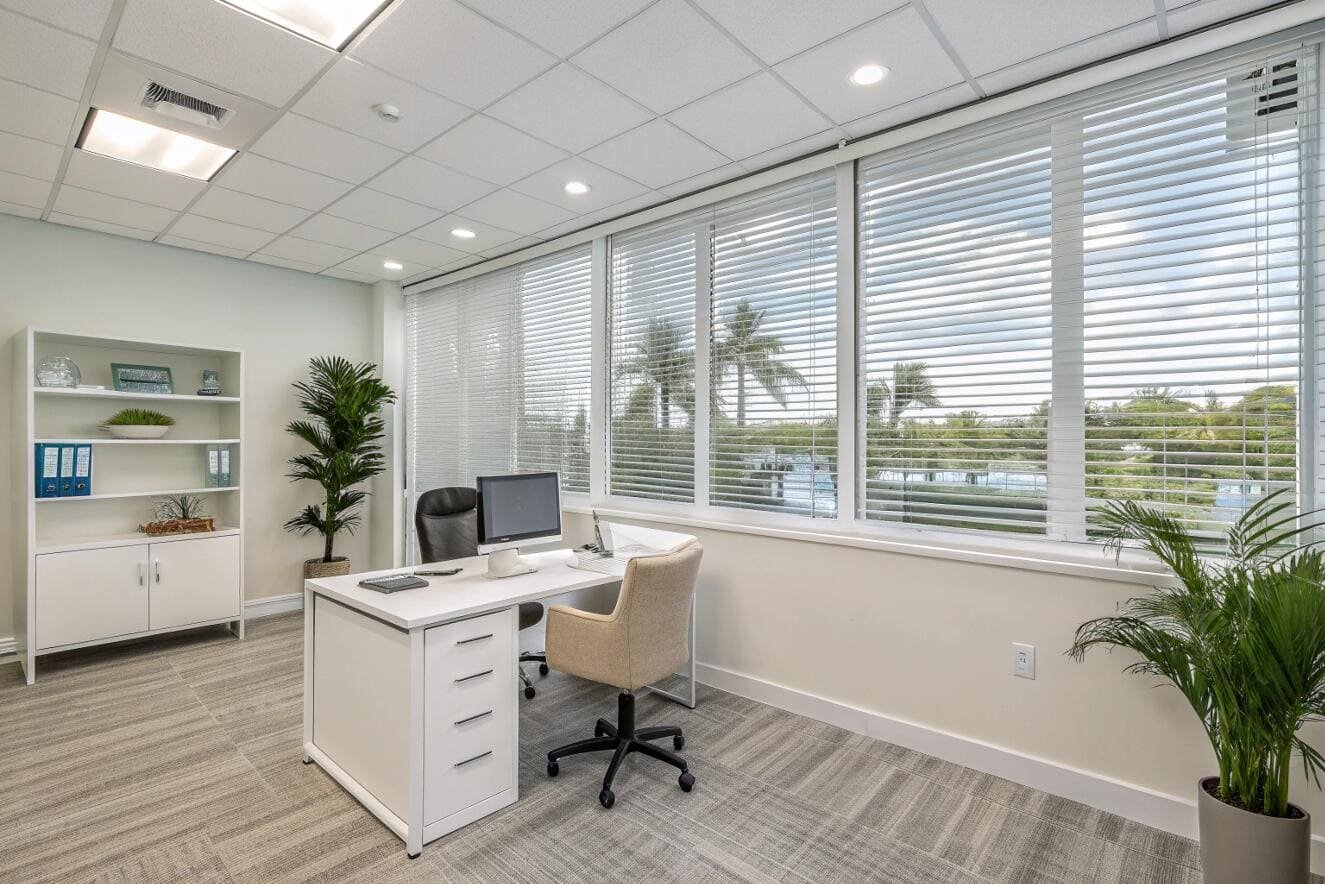
This process is critical, especially when you're on a client's property. You are responsible for handling the situation professionally and safely. Dry brushing or wiping is the worst thing you can do, as it launches a cloud of spores into the room. I always teach my installation teams a specific, careful process to manage this.
Here is a step-by-step guide for safe mold removal on non-porous blinds:
- Gear Up: Before you start, put on gloves, a mask (N95 is best), and eye protection. This protects you from inhaling spores and getting irritants on your skin.
- Prepare Your Solution: Mix a solution of either mild soap and water or equal parts white vinegar and water in a spray bottle or bucket. Avoid using bleach initially.
- Damp-Wipe, Don't Scrub: Lightly spray your cleaning solution onto a microfiber cloth, not directly onto the blind. Gently wipe the mold off the surface. For slatted blinds, clean each slat individually. The goal is to lift the mold, not smear it.
- Clean the Area: Wipe down the nearby window frame and sill with the same solution, as spores have likely settled there too.
- Dispose Carefully: Place all used cloths or paper towels into a plastic bag, seal it, and throw it away immediately outside of the building.
- Dry Thoroughly: Use a clean, dry cloth to wipe away any remaining moisture from the blinds. Letting them air dry might leave enough moisture for mold to return.
Following these steps ensures you remove the existing mold without creating a bigger problem.
Is bleach or vinegar better for mold?
You're facing a stubborn mold patch, and water isn't enough. The classic debate begins: should you reach for the bleach or the vinegar? The right choice depends on the surface.
Vinegar is generally better for removing mold, especially on porous surfaces, because it kills the mold at its roots. Bleach is effective at killing surface mold and removing stains on non-porous materials but it can be harsh and its effects may not be as long-lasting.
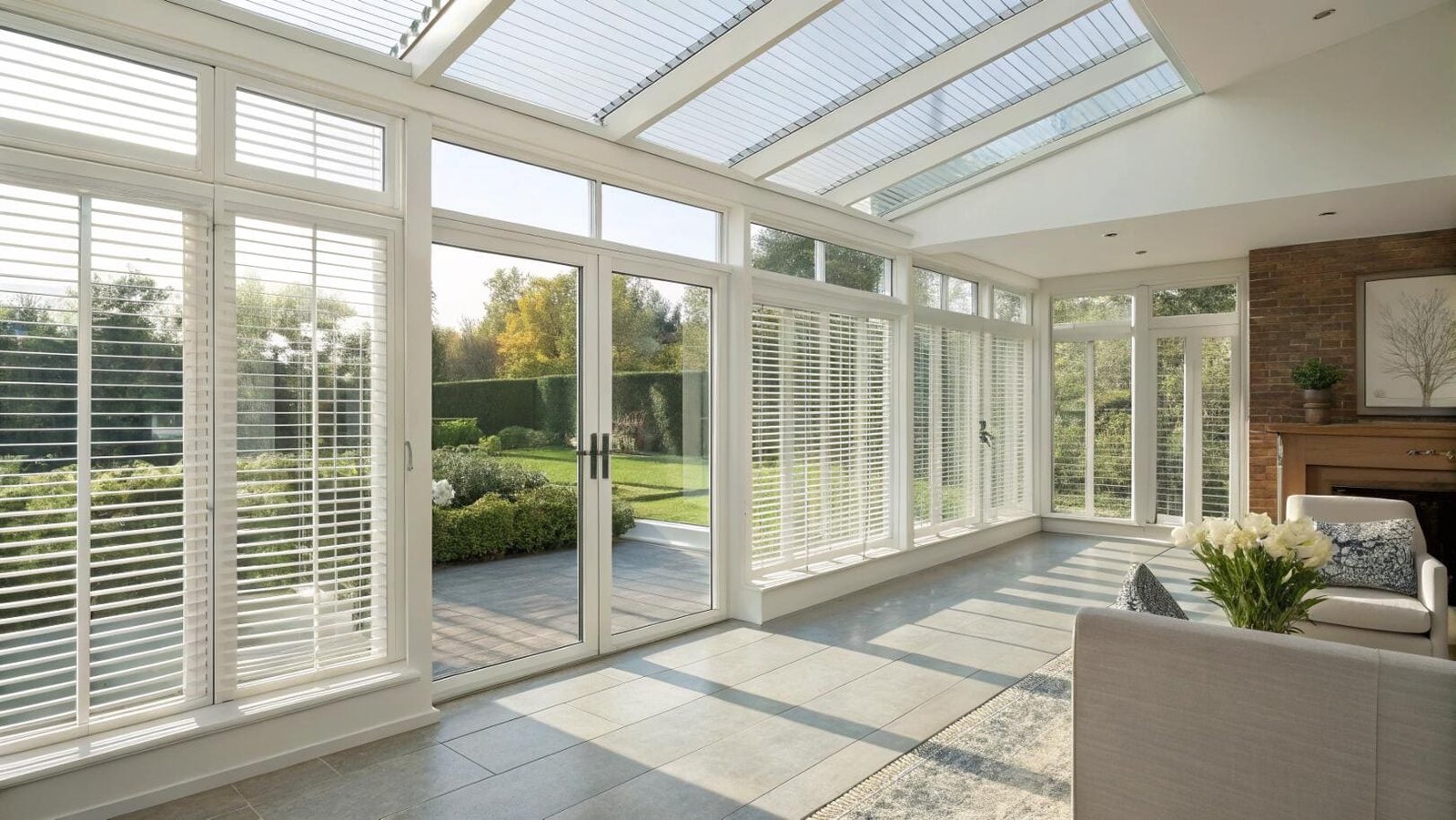
I get this question a lot from contractors. Many people default to bleach because it's known as a powerful disinfectant, and it makes stains disappear. However, this can be misleading. On a porous material like wood or drywall, mold grows roots deep inside. The chlorine in bleach often can't penetrate to kill these roots. So, you kill the surface mold, but the roots remain, and the mold grows back.
White vinegar, on the other hand, contains acetic acid. This acid is effective at penetrating porous materials and killing the mold membrane right down to the root. It’s also less toxic than bleach.
Here’s my go-to comparison for project teams:
| Feature | Bleach | White Vinegar |
|---|---|---|
| Effectiveness | Kills surface mold | Kills mold roots, more complete |
| Surface Type | Best for non-porous (PVC, aluminum, tile) | Good for non-porous AND porous surfaces |
| Stain Removal | Excellent, removes dark stains | Does not remove stains |
| Safety | Harsh fumes, can damage materials | Less toxic, safer on most materials |
My professional recommendation? For non-porous blinds like the PVC or aluminum ones we supply, either can work. But for overall effectiveness and safety, I lean towards vinegar first. You can always use bleach carefully later to treat any lingering stains if needed, but the primary goal is to kill the mold completely, and vinegar does that job better.
How to assess when professional mold remediation is necessary versus DIY solutions?
You’ve found mold, but how much is too much to handle yourself? Making the wrong call can have serious consequences for the building's structure and the occupants' health.
If mold covers an area larger than 10 square feet, smells musty even after cleaning, or comes back quickly, it’s time to call a professional. These are signs of a larger, hidden moisture problem that a simple DIY cleaning cannot fix.
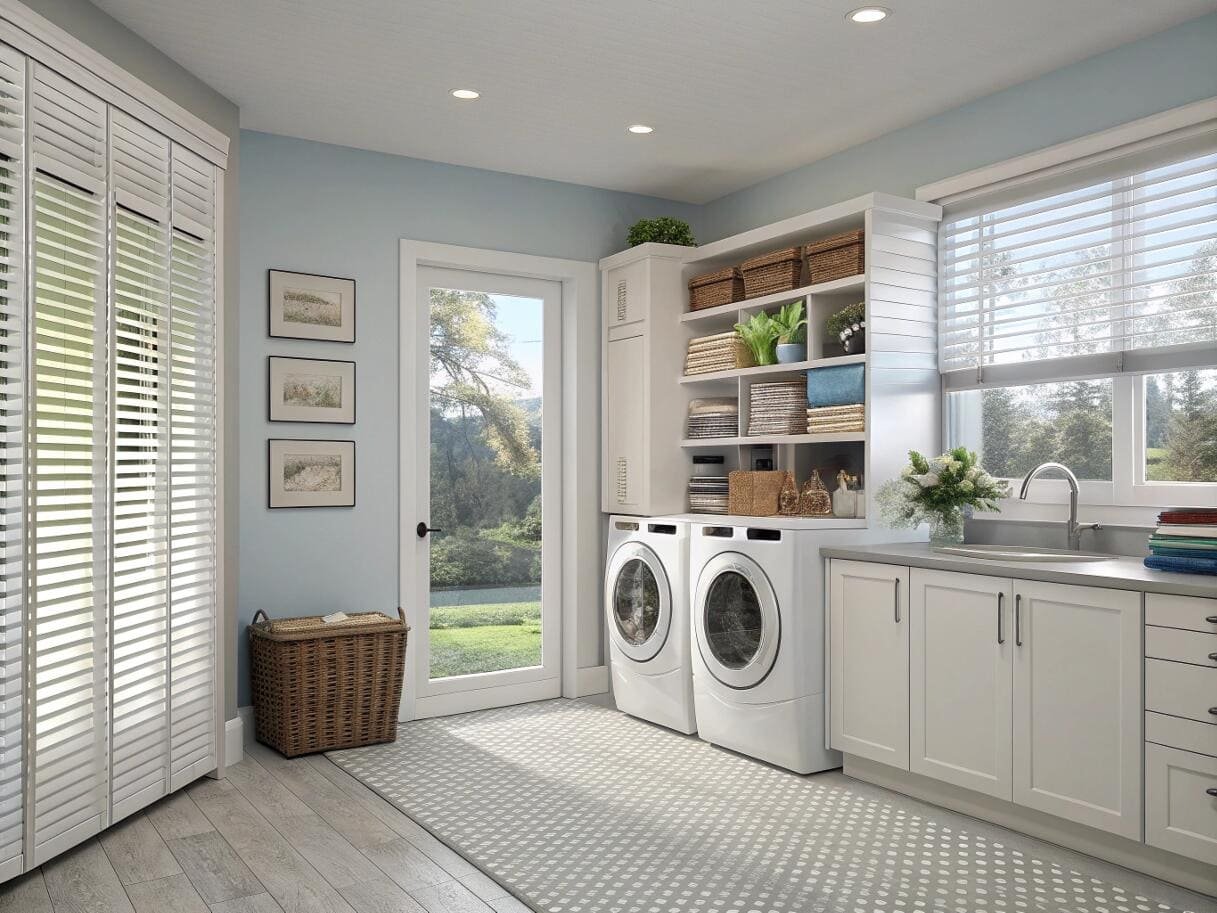
As a project partner, your reputation is on the line. It's crucial to know your limits. A small spot of surface mold on a PVC blind is typically a simple cleaning job. But if you see mold spreading from the blinds to the window frame, drywall, or sill, you are looking at the symptom of a much bigger disease. The root cause could be a leaky window frame, a failing HVAC system, or even a crack in the exterior wall.
I once consulted on a high-end condo project where the new homeowner reported mold on the bedroom blinds. The contractor's team cleaned it, but it returned within a month. I advised them to stop cleaning and bring in a mold remediation specialist. The specialist found a slow leak inside the wall from a poorly sealed window. No amount of blind cleaning would have ever solved that. By making the right call, the contractor protected the client and prevented major structural damage.
Use this checklist to decide:
- Size: Is the affected area larger than a 3x3 foot patch? (Call a pro).
- Location: Is the mold only on the blind, or is it also on the wall, ceiling, or floor? (If it's on the structure, call a pro).
- Smell: Is there a persistent earthy or musty smell in the room? (This often indicates hidden mold; call a pro).
- Cause: Is the cause of moisture obvious and fixable (e.g., bathroom steam), or is it unknown? (If unknown, call a pro).
Your job is to provide beautiful and functional window treatments, not to be a mold expert. Knowing when to escalate to a certified specialist is a sign of professionalism.
Conclusion
Ultimately, preventing mold on blinds comes down to controlling the environment. Stop focusing on cleaning after the fact and start with a strategy of smart material choices and proper ventilation.
---

[^1]: Explore effective strategies to prevent mold on blinds and maintain a healthy environment.
[^2]: Understanding micro-environments can help you prevent mold in your home or office.
[^3]: Discover the best materials that resist mold and moisture for your window treatments.
[^4]: Learn about the conditions that lead to mold growth and how to avoid them.
[^5]: Discover the most effective cleaning materials for safely removing mold.
Partner with VelaBlinds for Your Next Project
Smart window treatments shouldn't be complicated. After working with 500+ distributors and contractors worldwide, I've streamlined the process to get you quality products, competitive pricing, and reliable support - every time.
Why project professionals choose VelaBlinds:
- ✅ Fast, Accurate Quotes - Detailed specs and pricing within 24 hours
- ✅ Transparent Pricing - No hidden fees, volume discounts clearly outlined
- ✅ Quality Assurance - Direct partnerships with certified OEM manufacturers
- ✅ Project Support - Dedicated account manager from quote to delivery
Start your next project:
📧 Quick Quote: Send your requirements to info@velablinds.com
📱 Direct Contact: WhatsApp +86 137 2012 8317
🌐 Browse Solutions: https://velablinds.com/
📁 Product Resources: Access spec sheets, catalogs & project files
Paul Chen, Founder
"I built VelaBlinds to solve the real challenges I faced as a project buyer - long lead times, unclear specs, and unreliable suppliers. Let's discuss how we can power your projects with smarter blinds."
Serving distributors and contractors across North America, Europe, and Australia since 2018.