
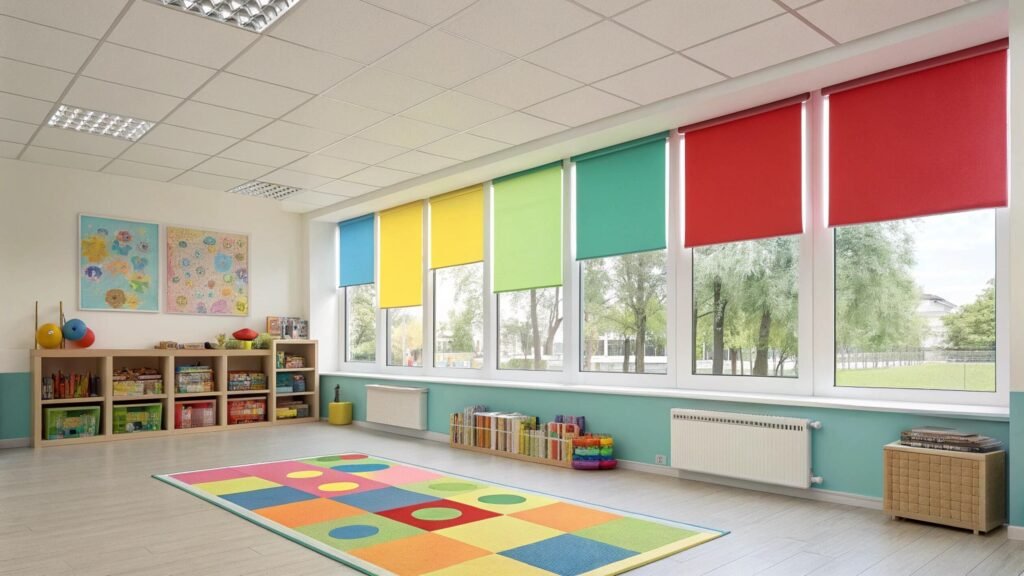
Choosing the wrong fabric for a roller blind[^1] can lead to warping, faded colors, and poor insulation[^2]. This not only wastes your client's budget[^3] but can also damage your reputation when the product fails to perform as promised.
The best material for a roller blind depends on the project's specific needs. Polyester is the industry-standard all-rounder for its durability[^4] and value, but PVC-coated fiberglass[^5] is superior for blocking heat and ensuring fire safety in commercial spaces.
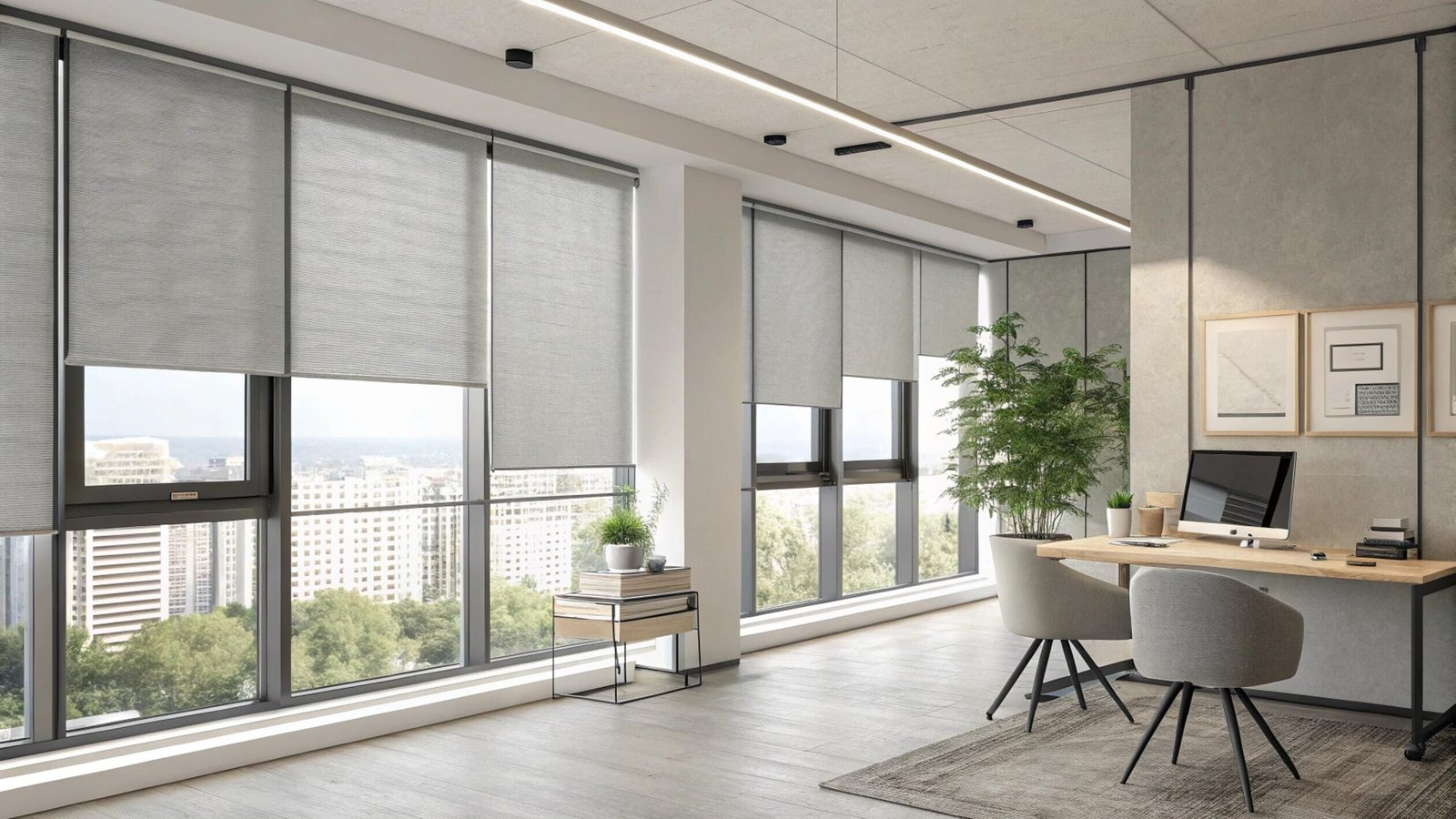
As I always tell my clients, like Emma, who manage complex projects, choosing a fabric isn't just about looks. While color and texture are important, it's the technical specs—like the weave density[^6], the type of surface coating[^7], and the material's resistance to humidity—that truly define long-term performance and client satisfaction[^8]. Let's dive into the details so you can specify with confidence.
Which Material is Best for Roller Blinds?
You're looking at spec sheets and see mentions of polyester[^9], PVC, vinyl[^10], and fiberglass. All of them sound durable, but it's hard to know which one will actually deliver the best performance for your specific project.
The "best" material depends entirely on the room's function. Polyester is the best all-rounder for most spaces, while PVC and vinyl are unmatched for wet areas, and coated fiberglass offers superior thermal performance[^11] and fire safety for demanding commercial projects.
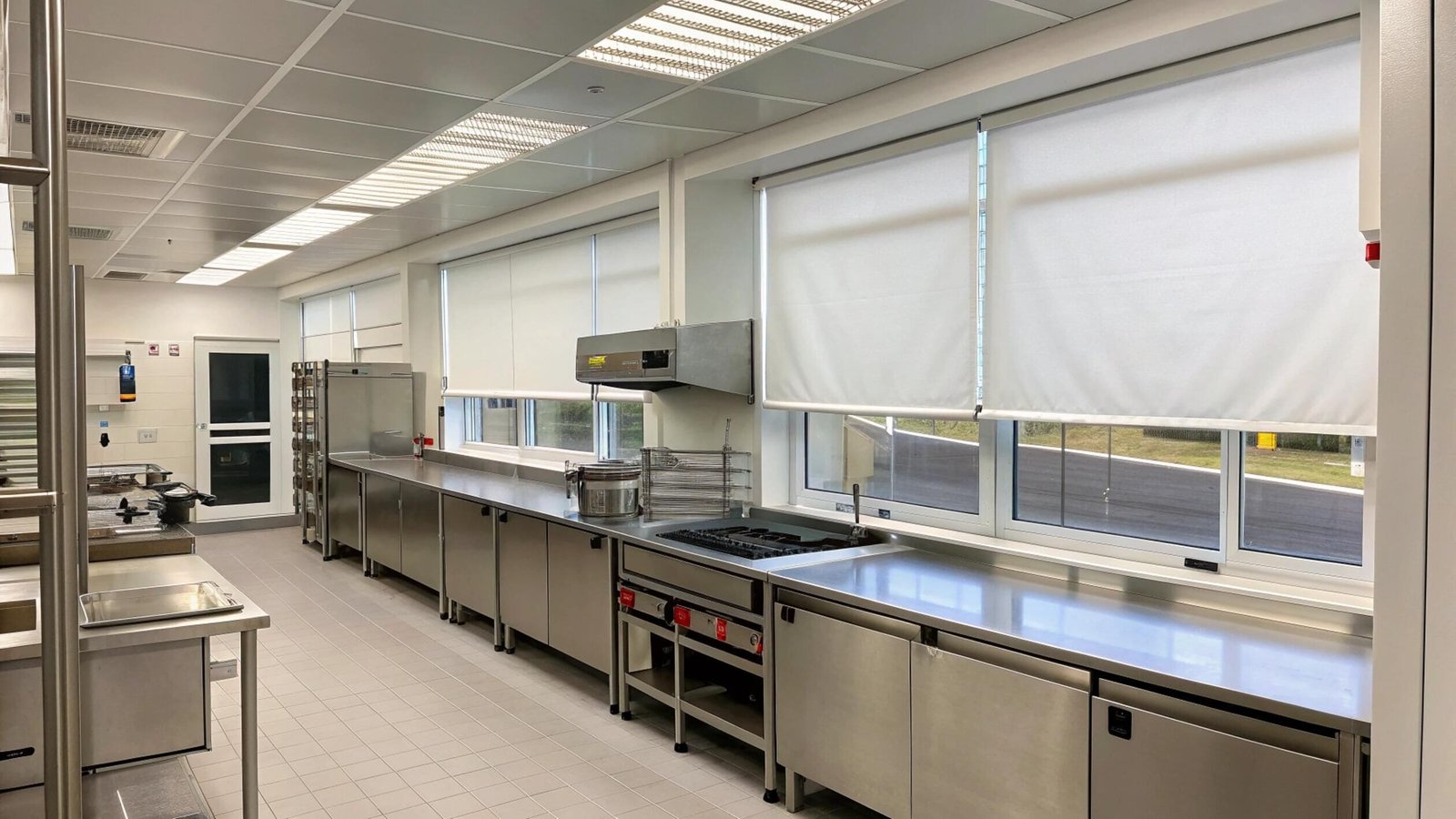
To make the right choice, you have to match the material to the environment. I've built my business on supplying the right product for the job, and it usually comes down to understanding these core options.
| Material | Key Strengths | Best For | Considerations |
|---|---|---|---|
| Polyester | Cost-effective, durable, holds color well, versatile. | General use in living rooms, bedrooms, and offices. | Not naturally waterproof; requires a special coating for wet areas. |
| PVC / Vinyl | 100% waterproof, extremely easy to clean, stain-resistant. | Kitchens, bathrooms, kids' rooms, and healthcare settings. | Can have a more "plastic" look and feel than fabric. |
| Fiberglass Composite | Dimensionally stable (won't warp), excellent fire retardancy [1, 6], superior strength. | Commercial spaces, large windows, and high-heat environments. | Typically comes at a higher price point. |
| Natural Fabrics | Rich texture, eco-friendly aesthetic. | Decorative spaces with low traffic and no moisture. | Prone to moisture damage, fading, and difficult to clean. |
Are Polyester Roller Blinds Good?
You see polyester listed everywhere, and its low cost might make you question its quality. Is this a reliable choice for a high-end project, or is it just a cheap option that will fail over time?
Yes, polyester roller blinds are an excellent and reliable choice. They offer a fantastic combination of durability, low maintenance, and affordability, which is why they dominate the market. High-quality polyester fabrics resist stretching and fading, making them a true workhorse.
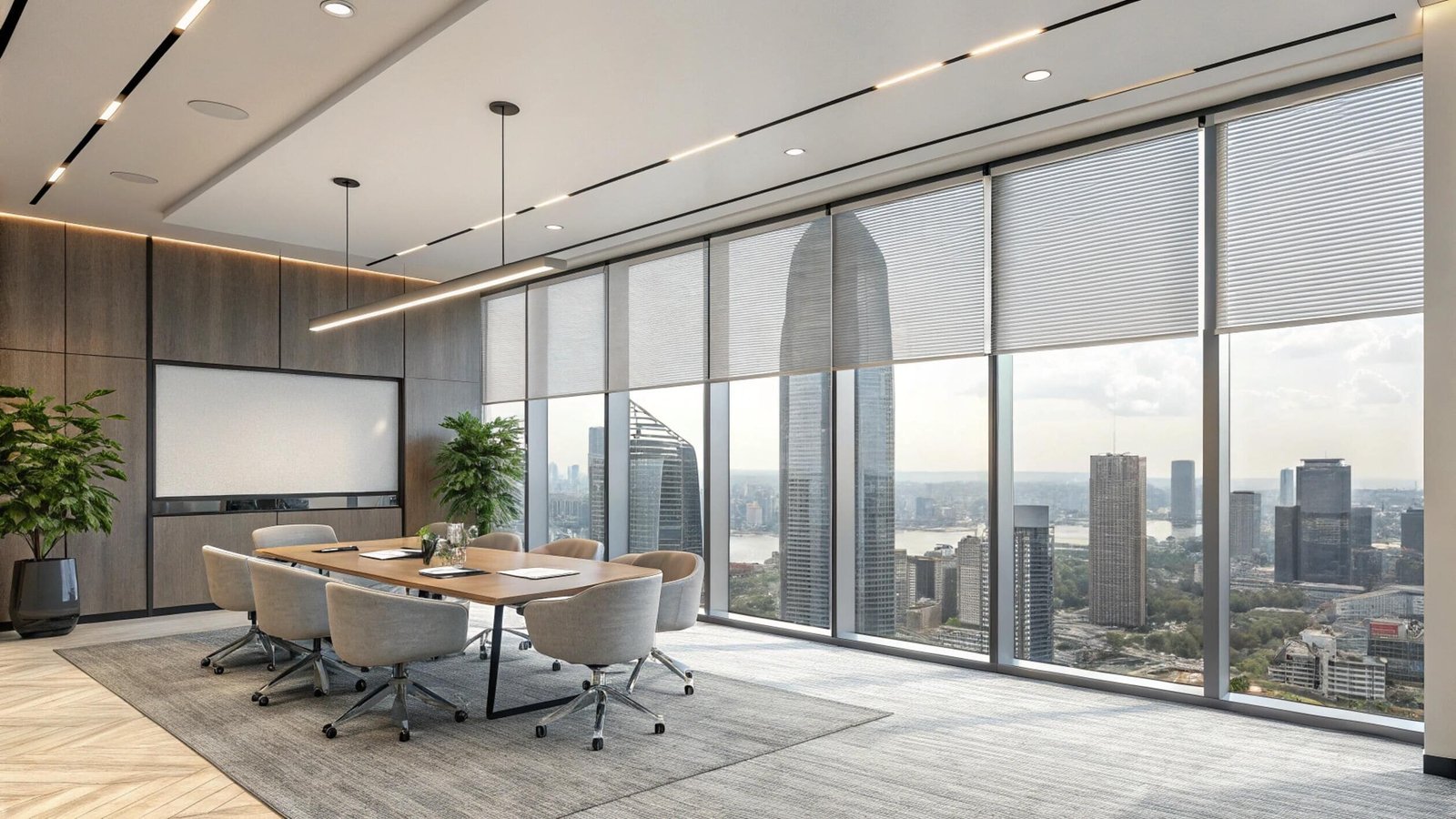
There's a reason polyester is the industry standard. Its performance is hard to beat for the cost. Here at VelaBlinds, our spunlace polyester fabrics are engineered for exceptional shape retention and moisture resistance. The synthetic fibers are non-porous and anti-static, which means they naturally resist dust and are simple to clean with a quick wipe-down. This makes them one of the easiest blinds to maintain. Furthermore, polyester is incredibly versatile. It can be woven to different densities for light-filtering or blackout effects and can be coated with PVC for waterproofing[^12] or an aluminum backing for high-performance heat reflection. It’s not just a "cheap" option; it's a smart and adaptable one.
Are Fabric or Vinyl Blinds Better?
You're torn between the soft, warm look of a fabric blind and the promise of ultimate durability from a vinyl one. Which one is the smarter long-term investment for your client's space?
Neither is universally "better," as their strengths are suited for different jobs. Fabric blinds, typically polyester, offer a softer aesthetic and more design options. Vinyl or PVC-coated blinds provide absolute waterproofing and are easier to clean, making them the clear winner for kitchens and bathrooms.
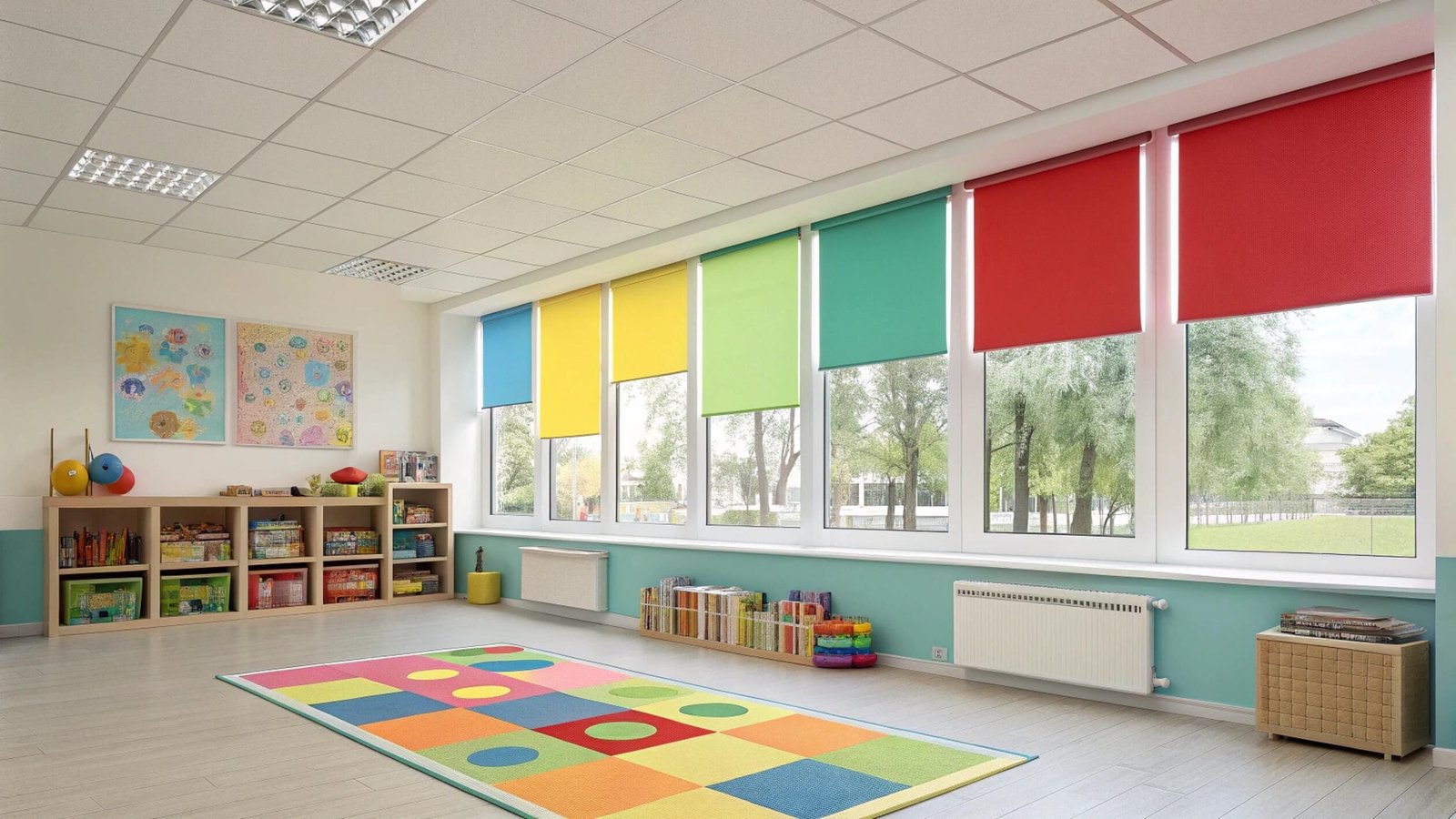
I guide clients on this by focusing on the room's function first.
- Aesthetics and Feel: A polyester fabric blind has a textile quality that adds softness and a residential feel to a room. Vinyl is a hard, smooth surface. While modern vinyls are very sleek, they have a more functional, commercial look.
- Performance in Wet Conditions: This is the clearest distinction. Vinyl and PVC are 100% waterproof. You can splash them, wipe them down, and they will not be damaged. While many polyesters are "moisture-resistant," they are not fully waterproof unless they have a specific PVC coating. Over time, a standard polyester in a steamy bathroom will likely fail.
- Cleaning: Both are easy to clean, but vinyl is nearly indestructible. You can use stronger cleaning[^13] agents on it without worry. Fabric blinds require a gentler touch, usually just dusting or wiping with a damp cloth.
What Blinds are Best to Avoid Mould?
You complete a project, and weeks later, you get an angry call about mold spots on the new blinds. It's a frustrating problem that can ruin a client relationship and your reputation.
To avoid mold, the best choice is a blind made from a non-porous material like PVC or vinyl. Alternatively, high-quality polyester or fiberglass composite[^14] fabrics that are specifically coated to resist moisture and mildew are also excellent, reliable options.
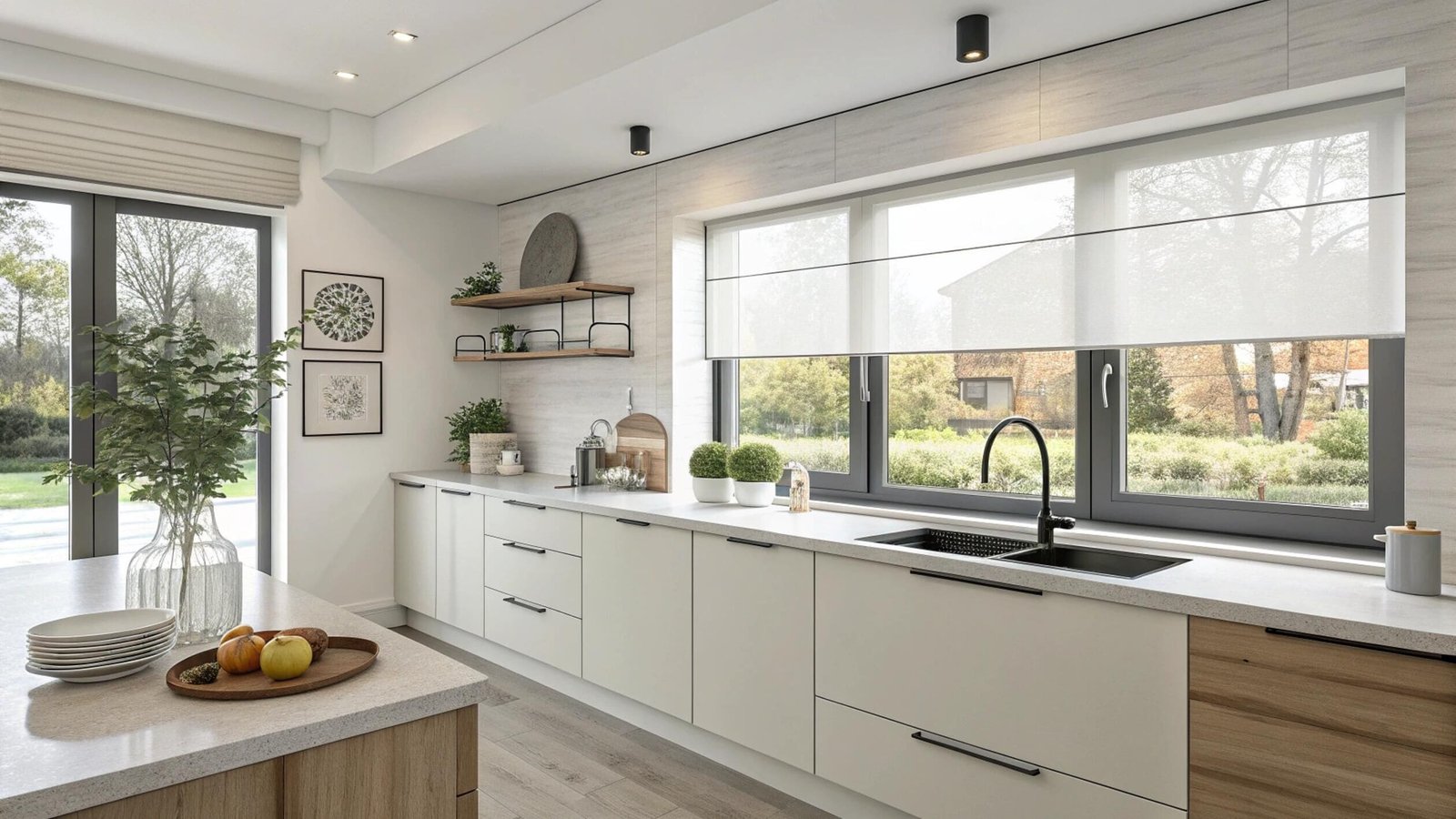
Mold needs moisture and an organic food source to grow. The key is to choose a material that denies it one of those things.
- Inherently Waterproof Materials: PVC and vinyl are the ultimate mold-proof materials. Since they are varieties of plastic, they are non-porous and offer no organic material for mold to feed on. They can be installed in the most humid environments, like bathrooms with showers, without any risk.
- Moisture-Resistant Fabrics: Many professional-grade fabrics are designed for durability in humid conditions. Our Vela roller blind fabrics, made from polyester or fiberglass composites with a PVC coating, are inherently moisture-resistant and built to resist deformation. This quality is crucial in preventing the fabric from absorbing the ambient moisture that leads to mold.
- Proper Ventilation: No material is immune if the room itself has a chronic moisture problem. I always advise clients that the best defense is to pair a moisture-resistant blind with good ventilation to keep humidity levels in check.
Which Type of Blinds Block the Most Heat?
Energy costs are a major concern for property owners. Your clients are asking for window treatments that will actively lower their HVAC bills, and you need to provide a proven solution.
The blinds that block the most heat are those with a special high-reflectance coating. An aluminum-backed fabric[^15], for instance, dramatically reduces heat gain by reflecting solar radiation before it enters the room. A standard roller blind with a thermal backing can cut heat loss by up to 40%.
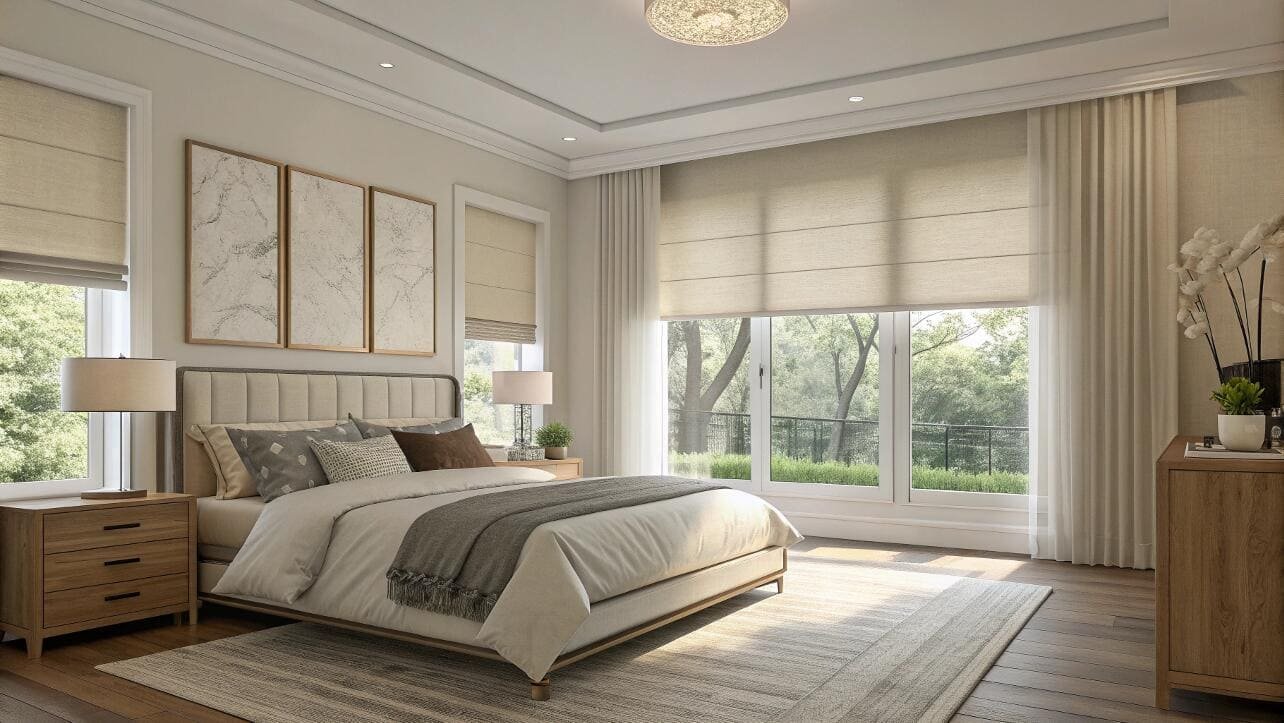
It’s a common misconception that a thick or dark fabric is best for insulation. The technology is actually about reflection, not absorption.
- The Power of Reflective Coatings: The most effective thermal control comes from a metallized layer on the back of the fabric. As we specify in our Vela roller blinds, an aluminum-coated fabric provides a massive improvement in solar reflectance. This technology is ideal for commercial buildings and sunny climates because it directly reduces the load on the air conditioning system.
- Color Matters: If you don't have a thermal coating, fabric color is the next most important factor. A light-colored fabric will reflect more solar energy than a dark one, which absorbs it and radiates it into the room as heat.
- Openness Factor: For solar fabrics, a lower openness factor (e.g., 1% or 3%) means a tighter weave that lets less direct sunlight and heat pass through.
Final Recommendations: Best Fabrics for Different Needs
So, how do you tie all this together on your next project? You need to select a fabric that balances the client's budget[^3], the room's function, and your long-term performance goals.
The right fabric choice comes from matching the material's technical strengths—its durability, coating, and moisture resistance—to the specific demands of the space. There is no single "best" fabric, only the best one for the job.
| Priority | Top Recommendation | Why It's the Best Choice |
|---|---|---|
| Budget | Standard Polyester | Offers the best balance of performance and affordability, with mature manufacturing making it a cost-effective choice for large-scale projects. |
| Durability | PVC-Coated Fiberglass | Provides exceptional dimensional stability, strength, and fire retardancy, making it ideal for high-traffic commercial and public spaces. |
| Insulation | Aluminum-Coated Fabric | The metallic backing offers superior solar reflectance, significantly reducing heat gain to lower HVAC costs and improve comfort. |
| Waterproofing | 100% PVC / Vinyl | As a non-porous plastic, it is completely impervious to water, making it the only truly safe choice for bathrooms, kitchens, and other wet areas. |
---

[^1]: Explore this link to understand the various materials and their benefits for roller blinds.
[^2]: Learn about the best blinds for insulation to help reduce energy costs and improve comfort.
[^3]: Explore strategies for selecting roller blinds that meet both performance and budgetary needs.
[^4]: Understand the key factors that influence the durability of roller blinds for long-term use.
[^5]: Discover how PVC-coated fiberglass enhances fire safety and thermal performance in commercial settings.
[^6]: Find out how weave density impacts light control and privacy in roller blinds.
[^7]: Explore different surface coatings and their effects on the performance of roller blinds.
[^8]: Explore tips for ensuring client satisfaction through informed choices in roller blind selection.
[^9]: Learn why polyester is a popular choice for roller blinds and its advantages in durability and cost.
[^10]: Learn about the benefits of vinyl blinds, especially in wet areas like kitchens and bathrooms.
[^11]: Learn which materials provide superior thermal performance to enhance energy efficiency.
[^12]: Discover the top waterproof materials for roller blinds to ensure longevity in wet areas.
[^13]: Find tips on how to effectively clean and maintain various types of roller blinds.
[^14]: Discover the properties of fiberglass composite and why it's ideal for demanding environments.
[^15]: Explore the advantages of aluminum-backed fabric in enhancing insulation and energy savings.
Partner with VelaBlinds for Your Next Project
Smart window treatments shouldn't be complicated. After working with 500+ distributors and contractors worldwide, I've streamlined the process to get you quality products, competitive pricing, and reliable support - every time.
Why project professionals choose VelaBlinds:
- ✅ Fast, Accurate Quotes - Detailed specs and pricing within 24 hours
- ✅ Transparent Pricing - No hidden fees, volume discounts clearly outlined
- ✅ Quality Assurance - Direct partnerships with certified OEM manufacturers
- ✅ Project Support - Dedicated account manager from quote to delivery
Start your next project:
📧 Quick Quote: Send your requirements to info@velablinds.com
📱 Direct Contact: WhatsApp +86 137 2012 8317
🌐 Browse Solutions: https://velablinds.com/
📁 Product Resources: Access spec sheets, catalogs & project files
Paul Chen, Founder
"I built VelaBlinds to solve the real challenges I faced as a project buyer - long lead times, unclear specs, and unreliable suppliers. Let's discuss how we can power your projects with smarter blinds."
Serving distributors and contractors across North America, Europe, and Australia since 2018.