
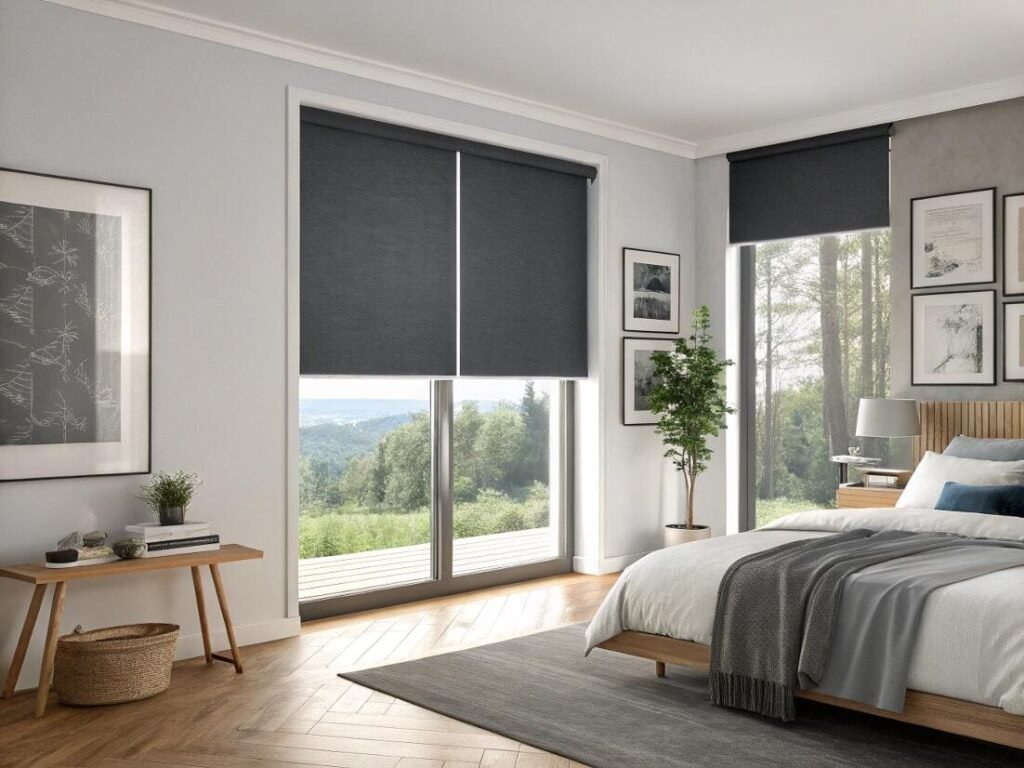
You love the bold, dramatic look of dark window treatments[^1]. But you're worried that stylish black or navy blinds will turn your client's sun-facing room into an oven, driving up air conditioning costs.
Yes, dark-colored blinds absorb more solar energy, converting it into heat and radiating it into the room. While they block light effectively, their dark surface gets hotter than a light-colored blind, which can make a room feel warmer.
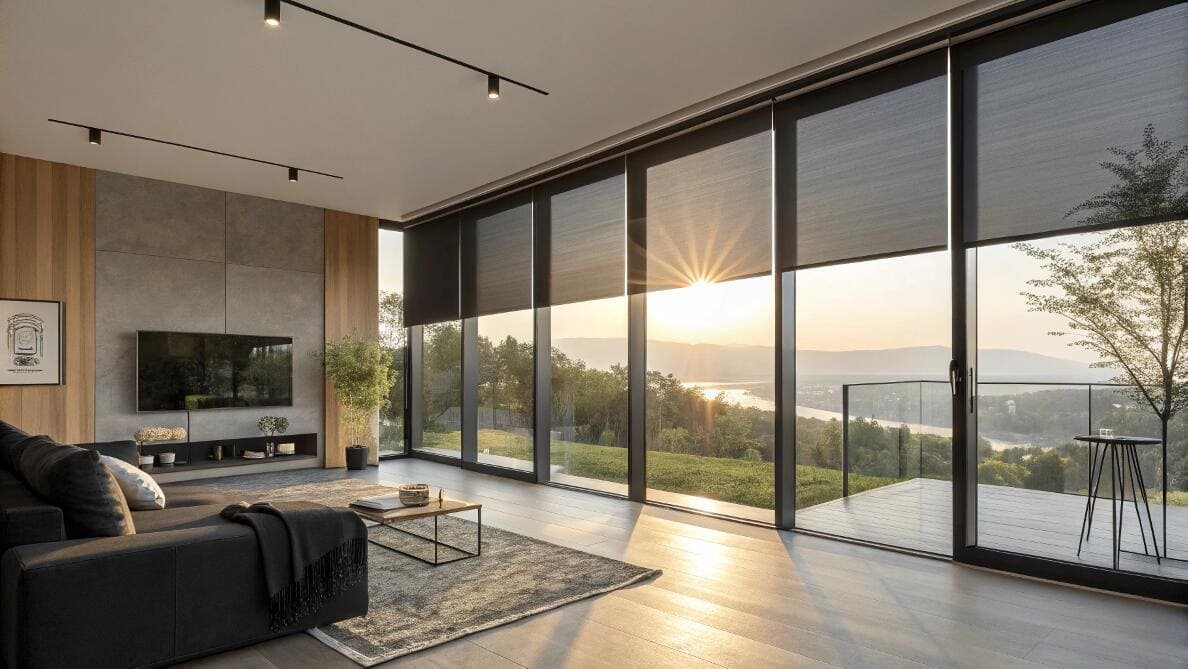
As someone who obsesses over the performance of window coverings, I can tell you this is one of the most common questions I get from designers like Emma. The color of your blind is not just an aesthetic choice; it's a technical decision that directly impacts a room's temperature and a building's energy efficiency. The good news is, you can still achieve the look you want without compromising on comfort. It's all about understanding the science and choosing the right material.
What is the science behind why dark blinds get so hot?
It seems counterintuitive. You put up a blind to block the sun, so why would one color make the room hotter than another? You need to understand the basic physics to explain it to your client.
It comes down to thermal absorption[^2] versus reflection. Dark, matte surfaces are excellent at absorbing light energy and converting it into heat. Light, smooth surfaces are much better at reflecting that energy away.
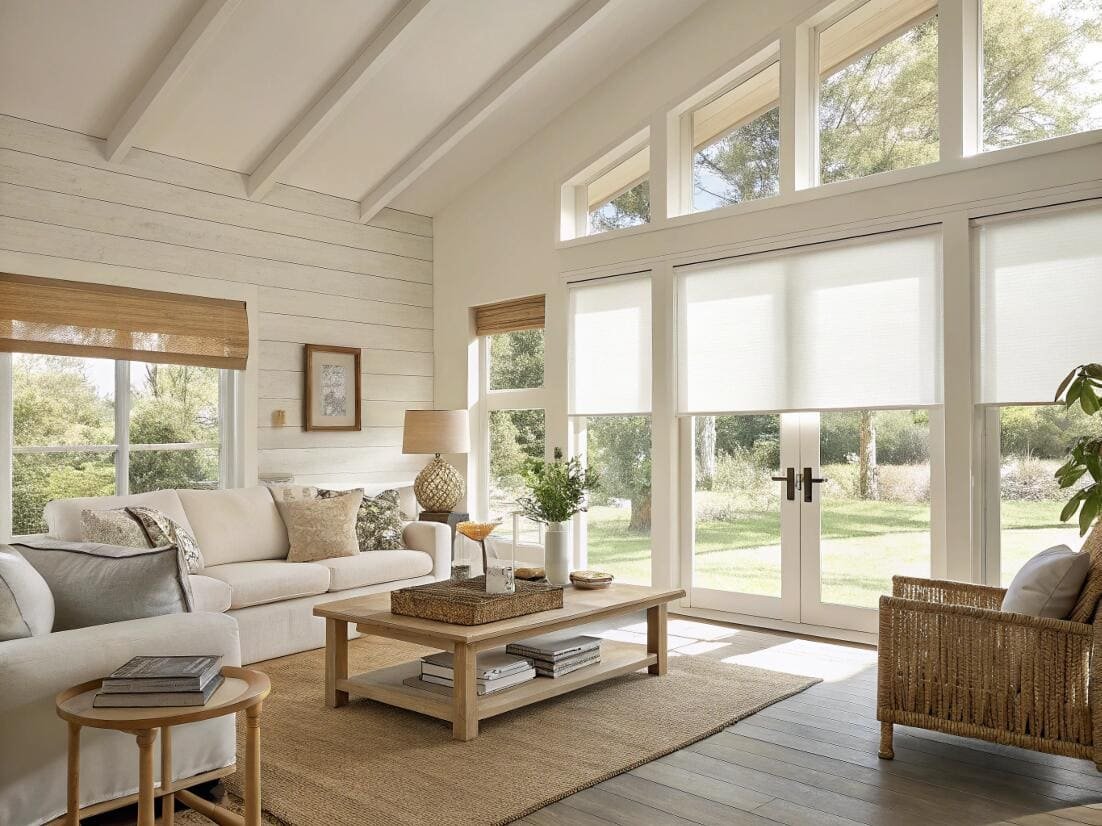
Think about a black car and a white car sitting in a parking lot on a sunny day. You know instinctively that the black car's surface will be far hotter to the touch. The same exact principle applies to your window blinds. The blind acts as the first line of defense against solar radiation.
| Property | Dark-Colored Blinds | Light-Colored Blinds |
|---|---|---|
| Solar Radiation | Absorbs a high percentage of incoming light and infrared energy. | Reflects a high percentage of incoming light and infrared energy. |
| Heat Conversion | The absorbed energy is converted into thermal energy (heat). | Most energy is bounced back outside before it can become heat. |
| Surface Temperature | The surface of the blind becomes very warm to the touch. | The surface of the blind stays much closer to the ambient room temperature. |
| Resulting Effect | The warm blind then radiates this heat into the room, warming the air. | The room stays cooler because the heat was never allowed to enter the space. |
This is why, for any project where temperature control is a priority, especially on south-facing or west-facing windows, the color of the blind is a critical performance specification.
So, what color shades actually keep heat out best?
You have a client with a "sun problem" on one side of their house. They need the most effective solution for blocking summer heat. What color should you specify for the blinds?
White is the single most effective color for keeping a room cool. A white or off-white blind will reflect the maximum amount of solar energy[^3] back out the window, preventing it from ever turning into heat inside the room.
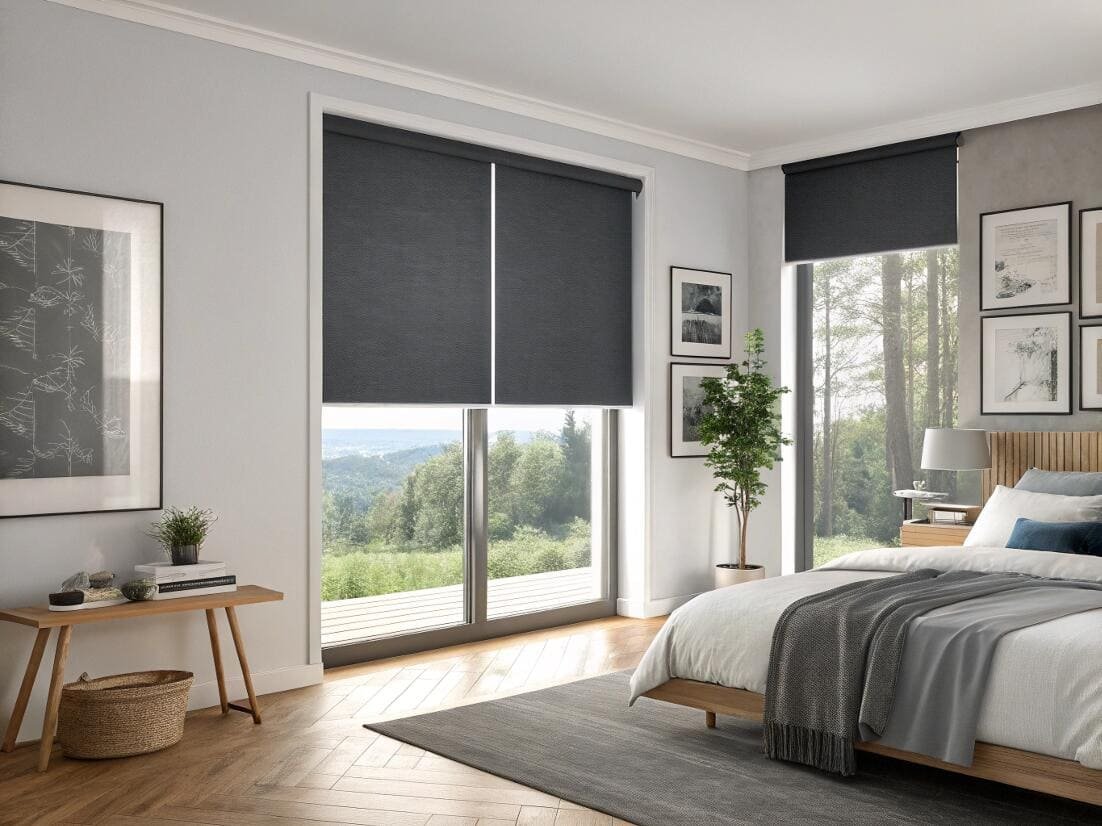
While many light colors perform well, pure white is the undefeated champion of heat reflection. The key factor is the exterior-facing color of the blind. Some blinds are the same color on both sides, but many high-performance shades are designed with a neutral white or off-white backing, regardless of the interior-facing color. This is a fantastic solution because it allows your client to have a dark charcoal or navy blind to match their interior decor, while the white backing does the heavy lifting of reflecting heat.
When you're looking at our fabric samples at VelaBlinds, ask about the "Solar Reflectance" value. A higher number indicates better performance at reflecting heat. For maximum energy efficiency, you want to specify a fabric with high solar reflectance[^4]. This is a data-driven way to ensure your client gets the coolest room possible.
Then do blackout blinds keep a room cooler?
The term "blackout" immediately makes you think of the color black. This creates a lot of confusion. Are you forced to choose between blocking light and controlling heat?
Yes, blackout blinds are excellent at keeping a room cool, provided you choose one with a light-colored or white backing. "Blackout" refers to the fabric's opacity (blocking light), not its color.
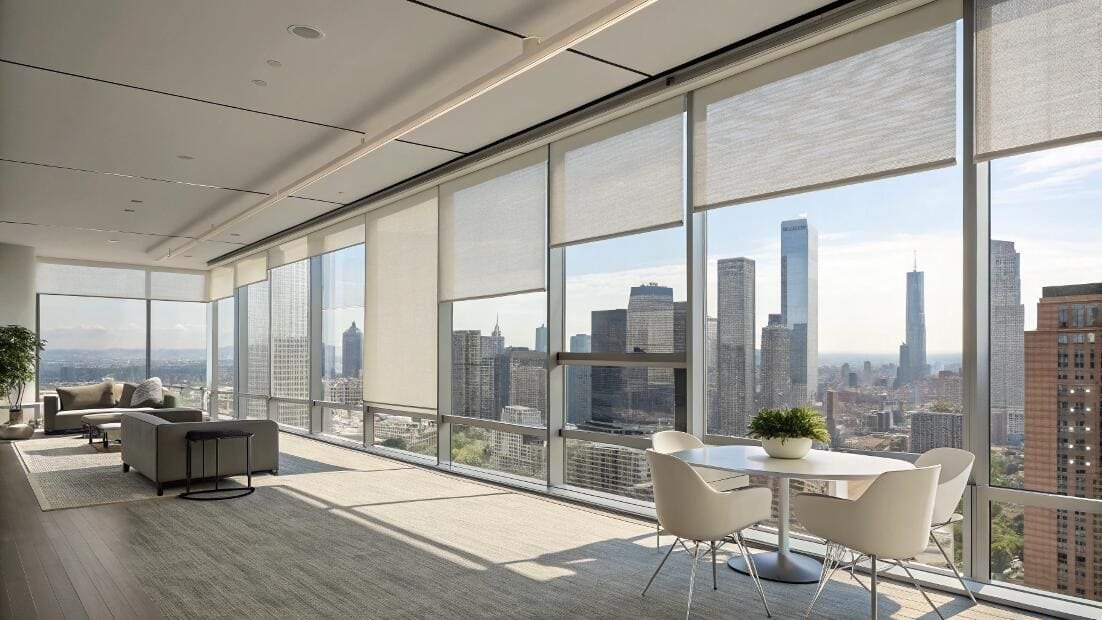
This is the most important myth to bust. A white blackout blind is one of the most effective tools for creating a cool, dark space. The blackout construction itself provides an insulating layer, and the white exterior surface provides maximum heat reflection. It's the best of both worlds.
Here's how it works:
- Light Rejection: The opaque blackout material blocks 100% of visible light from passing through. This prevents the "greenhouse effect" where sunlight directly heats surfaces inside the room.
- Heat Reflection: The light-colored outer layer reflects a huge portion of the sun's thermal energy back outside before it can be absorbed by the blind itself.
- Insulation: The multi-layered fabric provides a small insulating barrier[^5], slowing down the transfer of any heat that is absorbed.
So, when a client asks for a blind to cool their bedroom for better sleep, a white blackout shade is my top recommendation. It tackles both problems—light and heat—with maximum efficiency.
How does this choice impact a large commercial building?
For a project manager like Emma, specifying blinds for an entire office building is a major decision. The choice impacts not just aesthetics, but the building's bottom line through energy consumption for years to come.
Specifying light-colored, high-reflectance blinds across a commercial building significantly reduces solar heat gain. This lowers the load on the HVAC system, leading to substantial annual energy cost savings and a smaller carbon footprint.
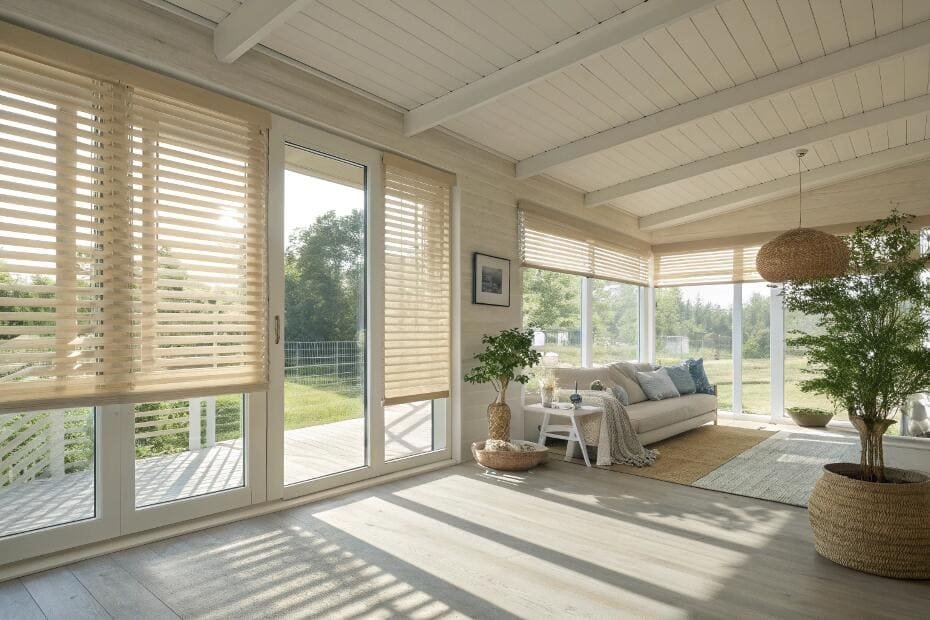
In a commercial setting, the cumulative effect of solar heat gain is massive. Hundreds of windows, each acting as a small heater, place an enormous demand on the air conditioning plant. By choosing the right blinds, you are essentially implementing a passive cooling strategy for the entire building envelope. The impact is measurable and significant. We work with architects who run energy models, and the difference between specifying a dark, low-reflectance blind and a light, high-reflectance one can translate into tens of thousands of dollars in saved electricity costs over the life of the building.
Furthermore, it contributes directly to green building certifications like LEED under the "Energy & Atmosphere" category. Providing effective, passive solar control is a key strategy for demonstrating optimized energy performance. It's a choice that a building owner will appreciate long after the project is complete.
What solutions offer both temperature control and light?
Your client wants to cut the heat and glare in their office, but they don't want to work in a dark room. They want to preserve their view. Is there a solution that can do it all?
Solar screen shades are the ultimate solution for this scenario. They are engineered with a specific "openness factor[^6]" that reflects heat and cuts glare while still allowing natural light and a view to the outside.
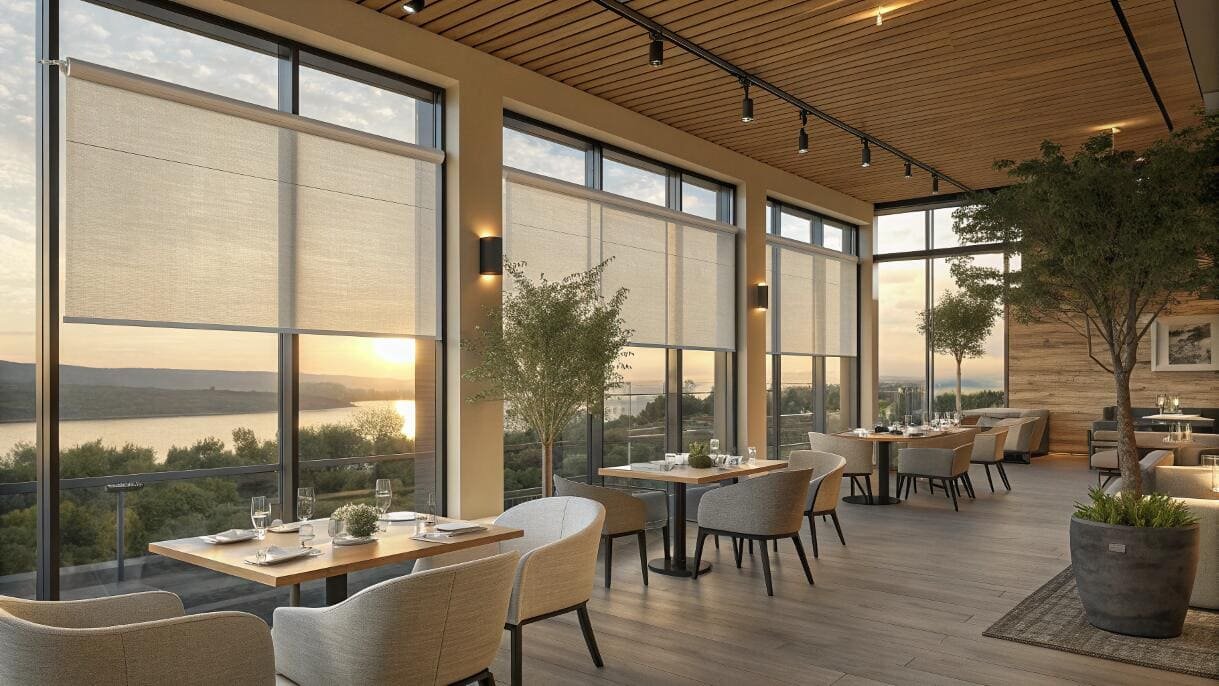
This is where window treatment technology gets really impressive. Solar screens are like sunglasses for a building. The fabric is a woven mesh, and the "openness factor" (typically 1%, 3%, 5%, or 10%) refers to how tight that weave is. A 3% openness factor, for example, means the fabric blocks 97% of the light.
Crucially, these screens are highly effective at reflecting heat, especially in light colors. They allow you to solve three problems with one product:
- Heat Control: They reflect a high percentage of solar radiation, keeping the interior cool.
- Glare Control: They cut down the harsh brightness, making it comfortable to work on computers and reducing eye strain.
- View Preservation: Unlike solid blackout or light filtering shades, you can still see through them, maintaining a connection to the outdoors.
For any workspace, restaurant, or high-end residential project where managing heat without sacrificing daylight is the goal, solar screen shades are the professional's choice.
Conclusion
The color of your blinds has a major impact on room temperature. Dark colors absorb heat, while light colors reflect it. For ultimate cooling, a white-backed blackout or solar shade is the most effective solution.
---

[^1]: Explore how dark window treatments can enhance aesthetics while managing light and heat.
[^2]: Understand the science behind thermal absorption and how it affects indoor temperatures.
[^3]: Discover the relationship between solar energy and room temperature management.
[^4]: Understand the significance of solar reflectance in choosing window treatments.
[^5]: Understand the role of insulating barriers in enhancing energy efficiency.
[^6]: Understand how the openness factor affects light and heat management in spaces.
Partner with VelaBlinds for Your Next Project
Smart window treatments shouldn't be complicated. After working with 500+ distributors and contractors worldwide, I've streamlined the process to get you quality products, competitive pricing, and reliable support - every time.
Why project professionals choose VelaBlinds:
- ✅ Fast, Accurate Quotes - Detailed specs and pricing within 24 hours
- ✅ Transparent Pricing - No hidden fees, volume discounts clearly outlined
- ✅ Quality Assurance - Direct partnerships with certified OEM manufacturers
- ✅ Project Support - Dedicated account manager from quote to delivery
Start your next project:
📧 Quick Quote: Send your requirements to info@velablinds.com
📱 Direct Contact: WhatsApp +86 137 2012 8317
🌐 Browse Solutions: https://velablinds.com/
📁 Product Resources: Access spec sheets, catalogs & project files
Paul Chen, Founder
"I built VelaBlinds to solve the real challenges I faced as a project buyer - long lead times, unclear specs, and unreliable suppliers. Let's discuss how we can power your projects with smarter blinds."
Serving distributors and contractors across North America, Europe, and Australia since 2018.