
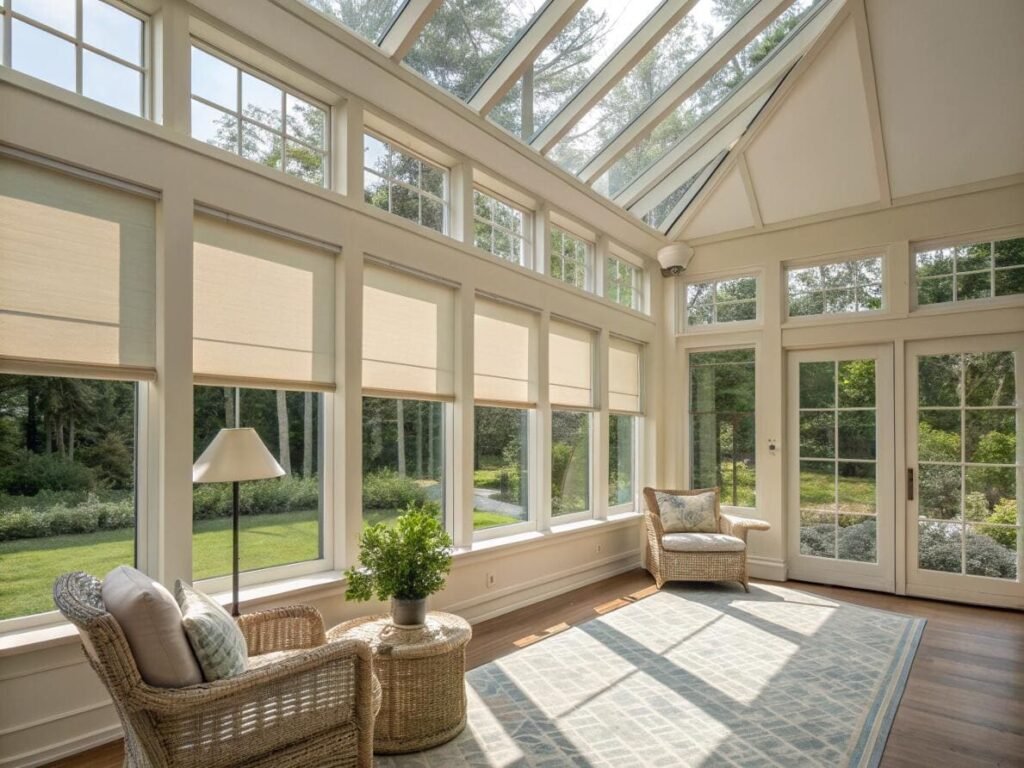
Manually adjusting blinds across a large project is a time-consuming chore. You want to offer clients modern convenience, but the cost and complexity of automation seem daunting.
Yes, motorized blinds are a smart investment, offering significant returns through energy savings, enhanced safety, convenience, and increased property value. They have evolved from a luxury add-on to a standard feature in modern smart buildings.
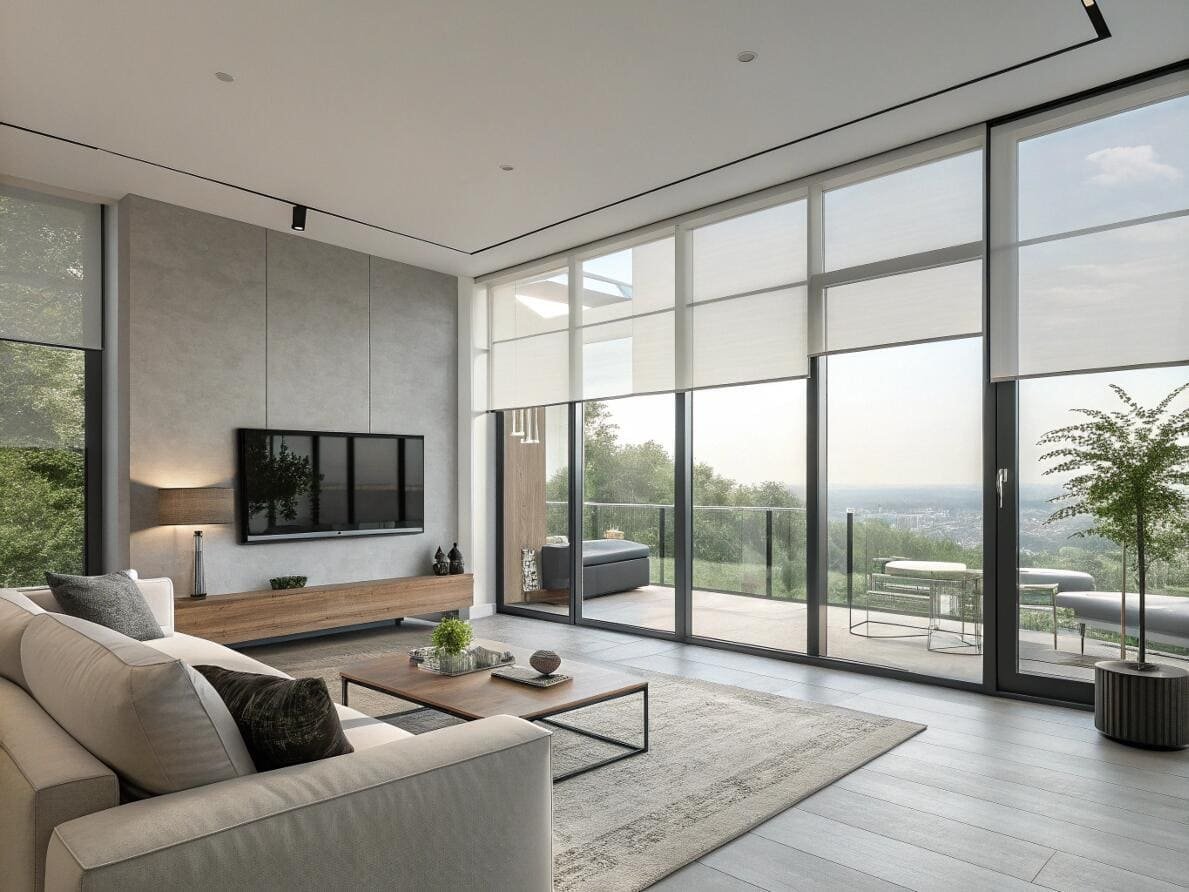
The client conversations I'm having today are completely different than they were a few years ago. Project buyers like Emma aren't just asking "can we motorize these?" anymore. Now, the first question is, "What's the ROI on motorization?" and "How does this integrate with the existing building management system[^1]?". Motorized blinds are no longer a luxury item; they've become a fundamental part of the building's infrastructure, just like the HVAC or the lighting. My distributors in North America and Europe are seeing this demand shift firsthand. Their clients want smart, efficient, and safe solutions, and it's our job to provide them not just with a product, but with an entire ecosystem that adds tangible value.
Is it really worth getting motorized blinds?
You're weighing the higher upfront cost against the benefits and need to know if the investment truly pays off for your projects.
For most projects, yes. The value of motorized blinds extends far beyond simple convenience. They contribute to energy efficiency, improve security, provide enhanced safety, and are essential for hard-to-reach windows, making them a worthwhile long-term investment.
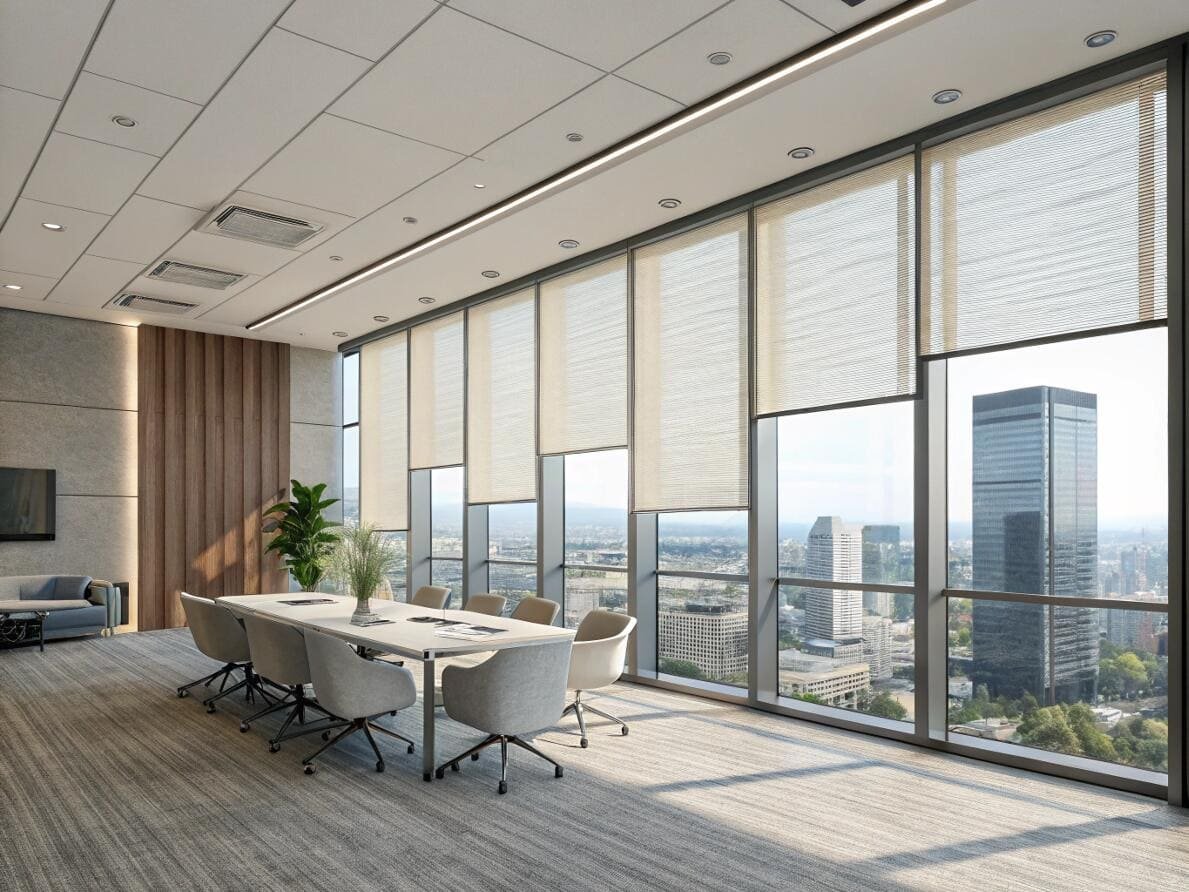
Let’s break down the real return on investment (ROI) that I discuss with my project partners. First, there's the convenience, which is especially critical for large buildings or homes with many windows. Being able to adjust all blinds with a single button or voice command is a huge selling point. It's even more important for hard-to-reach windows[^2] over tubs or in two-story great rooms. Second, the energy savings are significant. By scheduling blinds to close during the hottest parts of the day, a building can dramatically reduce its reliance on air conditioning. When integrated with a smart thermostat or a Building Management System (BMS), the blinds become an active part of the climate control system, which is a massive value-add for commercial projects. Finally, the added safety and security[^3] are priceless. Cordless operation is a must-have for projects where children are present, and scheduling blinds to move while a property is vacant enhances security.
Do motorized blinds actually increase home value?
You want to offer upgrades that provide a clear return for your clients, not just expensive features with questionable value.
Yes, motorized blinds are now considered a value-adding improvement that can increase a home's resale value. Homebuyers increasingly expect smart home features, and automated window treatments are an attractive, modern, and desirable upgrade.
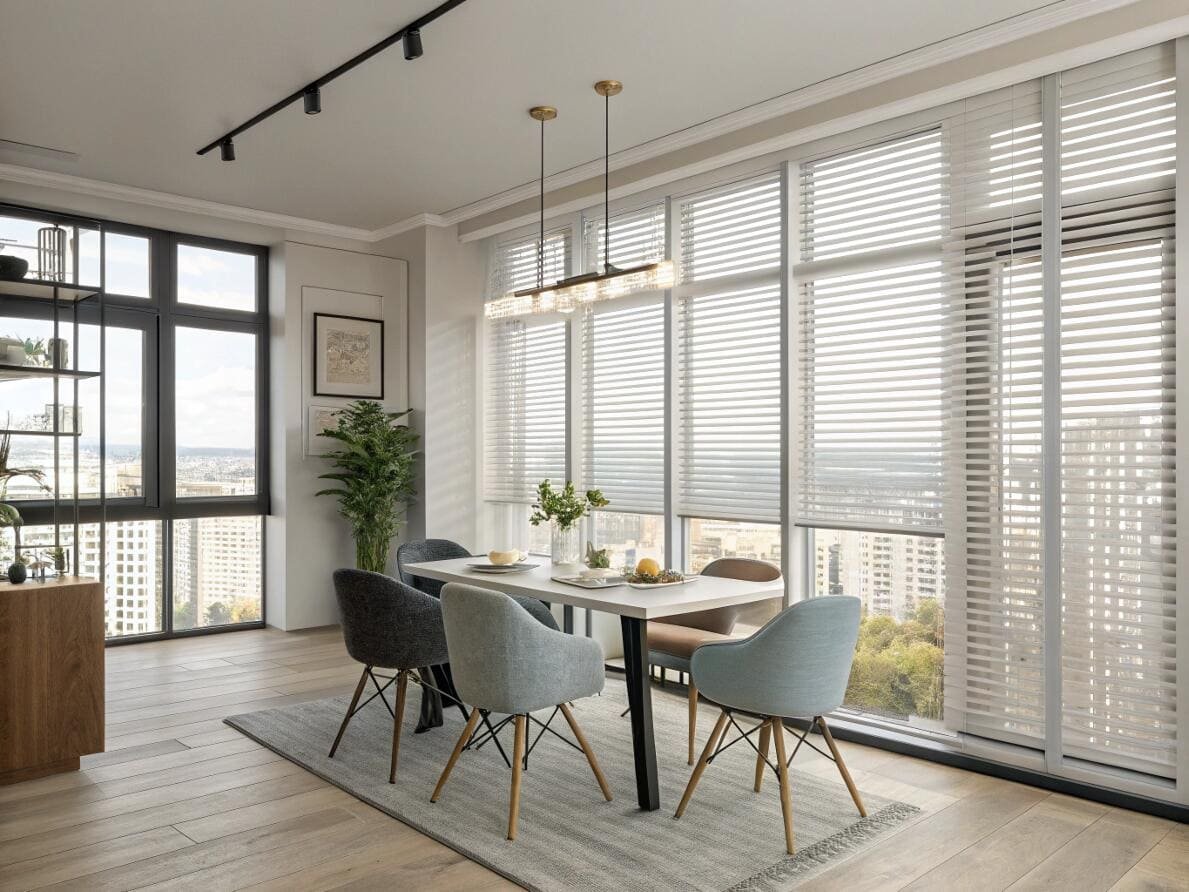
I recently worked with a developer who was building a high-end condominium complex. Initially, they planned to offer motorization as an optional upgrade. After we reviewed market data showing that smart home features are a major factor in property valuation, they shifted their strategy. They decided to make motorized blinds a standard feature in every unit. It became a key selling point in their marketing materials. This is because homebuyers today, especially tech-savvy ones, are willing to pay more for a home equipped with modern conveniences. While motorized blinds alone might not dramatically change the listing price, they contribute to a higher perceived value when combined with other smart home technology. They signal that a home is modern, efficient, and secure—qualities that resonate strongly in today's real estate market. It’s an investment in a lifestyle that modern buyers demand.
What are the disadvantages of motorized blinds?
You are rightfully concerned about the potential downsides and want a realistic picture before committing to a large project specifies motorized blinds.
The primary disadvantages are the higher initial cost compared to manual blinds, a reliance on a power source, and potentially more complex installation and repairs if issues arise.
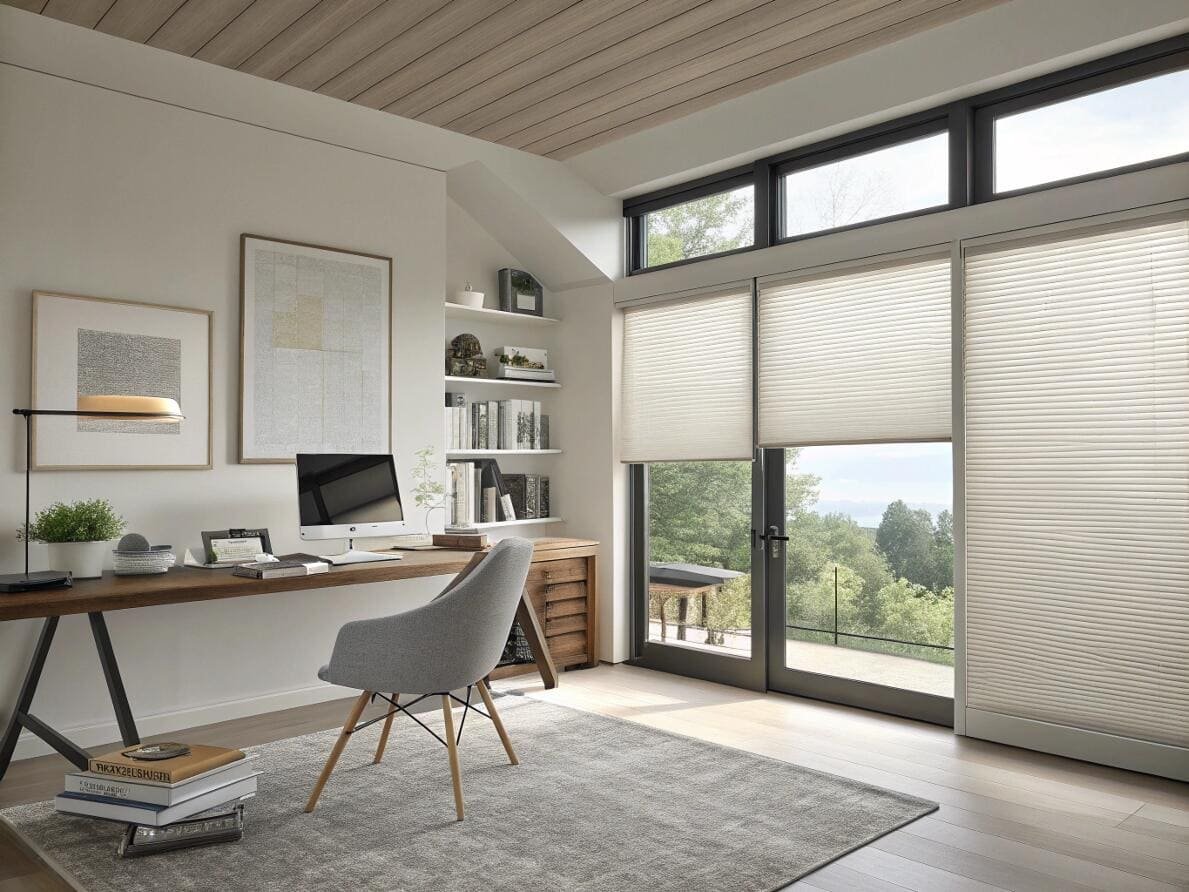
It's important to be transparent with clients about the potential drawbacks. The most significant is the cost. Motorization can add anywhere from $150 to over $1,000 per window, depending on the motor, brand, and features. For a large project, this adds up quickly. Another key consideration is the reliance on technology. If a hardwired motor's power fails, it won't operate. If a motor malfunctions, the blind can become non-functional until it's repaired, which can be more expensive than fixing a simple corded blind. Installation can also be more complex, especially for hardwired systems that require an electrician. While battery-powered options are easier to install, they introduce the maintenance task of recharging batteries. These are all valid concerns that we have worked to address by sourcing reliable motors and developing solutions like solar chargers to minimize maintenance.
| Blind Type | Estimated Price Range (Per Window) |
|---|---|
| Roller Motorized Shades | $150 – $250 |
| Cellular (Honeycomb) Motorized Blinds | $180 – $350 |
| Roman Motorized Shades | $170 – $300 |
| Woven Wood Electric Blinds | $229 – $300 |
What is the life expectancy of motorized blinds?
Your biggest fear is specifying a product that breaks down in a few years, leading to expensive callbacks and unhappy clients.
High-quality motorized blinds are durable and reliable. The motors are engineered to last, with an average lifespan of 5 to 10 years, and often longer with proper care. They do not break easily under normal usage conditions.
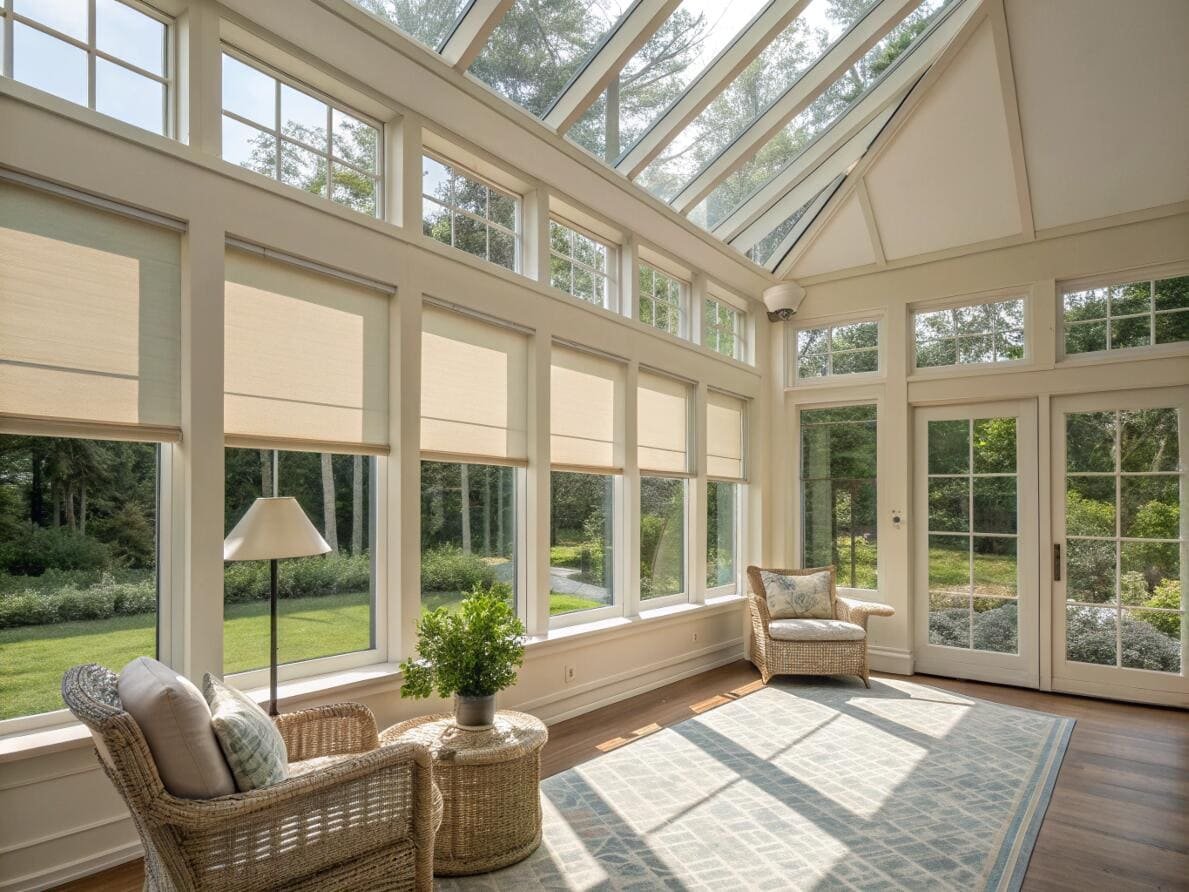
Reliability is the number one concern for project contractors, and I understand that completely. A faulty motor on a single window can damage a supplier's reputation. The lifespan of a motorized blind really comes down to the quality of the engineering. Just like with any other appliance, a cheaper, lower-quality motor is more likely to fail prematurely. Key factors influencing longevity include the quality of the materials, the frequency of use, and proper maintenance. Modern motors are quieter and more efficient than ever before. High-quality systems like the ones we source come with strong warranties, sometimes up to 5 or 10 years, which gives project managers peace of mind. When a client expresses concern about motors breaking down, I explain that it’s like any other long-term investment in a home’s infrastructure—choosing a quality, reputable system is the key to long-term, trouble-free performance.
How often do motorized blinds need to be recharged?
For large commercial projects, the thought of recharging hundreds of blind batteries is a maintenance nightmare that can kill a deal.
Typically, rechargeable battery-powered blinds[^4] need to be recharged every 6 to 12 months. However, this varies greatly based on usage, blind size, and fabric weight. Newer solutions like solar panels[^5] can eliminate the need for manual recharging altogether.
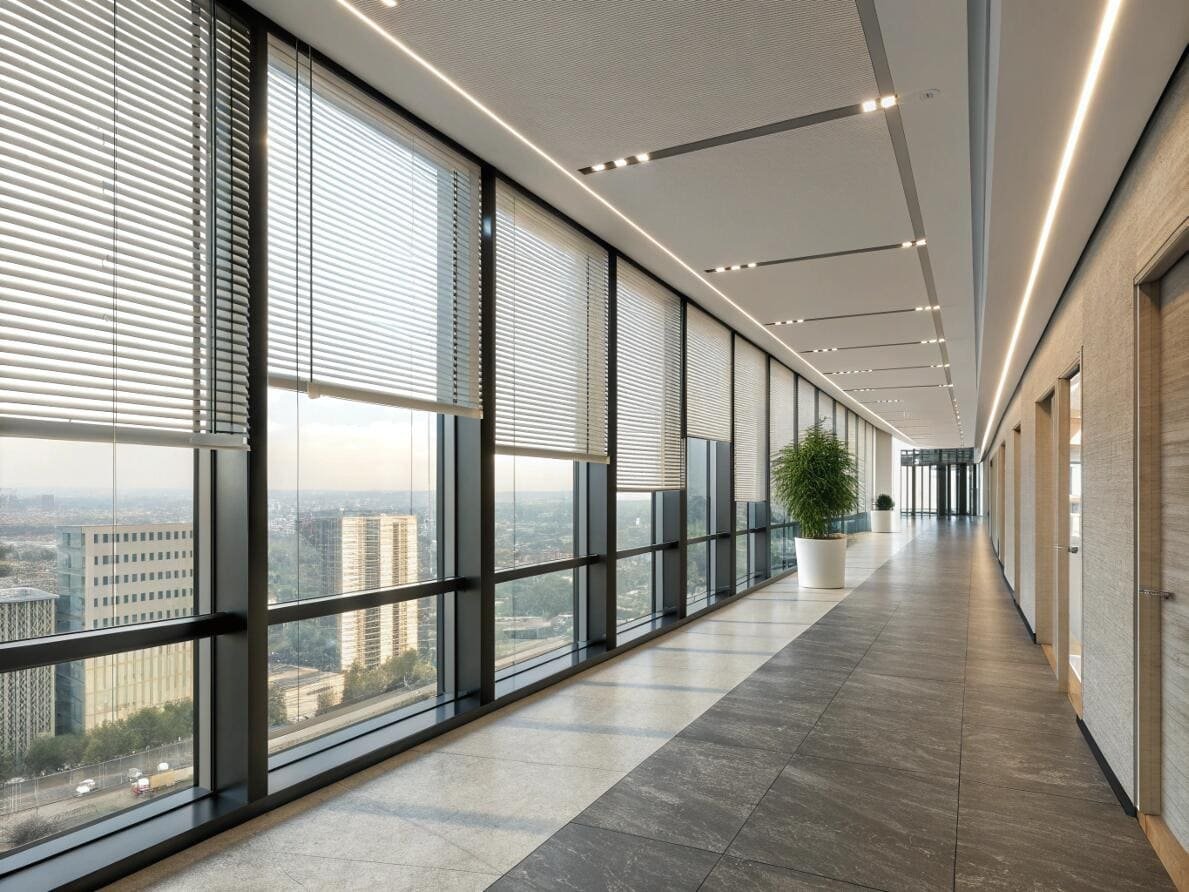
Battery life is a huge pain point, especially in the commercial sector. No facility manager wants to add "recharge 500 window blinds" to their team's quarterly task list. The frequency of recharging depends heavily on a few factors. How often are the blinds being used? A blind that adjusts twice a day will last much longer than one in a conference room that moves every hour. Larger and heavier blinds also consume more power, draining the battery faster. This is exactly why we've partnered with factories like Chuangming to offer solutions specifically for this problem. Our latest motors are more energy-efficient, and more importantly, we offer a slim solar panel accessory. This small solar strip attaches to the window behind the shade and uses daylight to constantly trickle-charge the battery. For most applications, this completely eliminates the need for manual recharging, turning a maintenance headache into an "install and forget" solution.
What is the difference between motorized blinds and motorized shades?
Your clients are becoming more knowledgeable and are asking technical questions about the difference in functionality between various motorized products.
The primary difference is their structure and light control method. Motorized blinds have adjustable slats (horizontal or vertical) that tilt for precise light control. Motorized shades are made of a single piece of fabric that rolls or folds up and down .
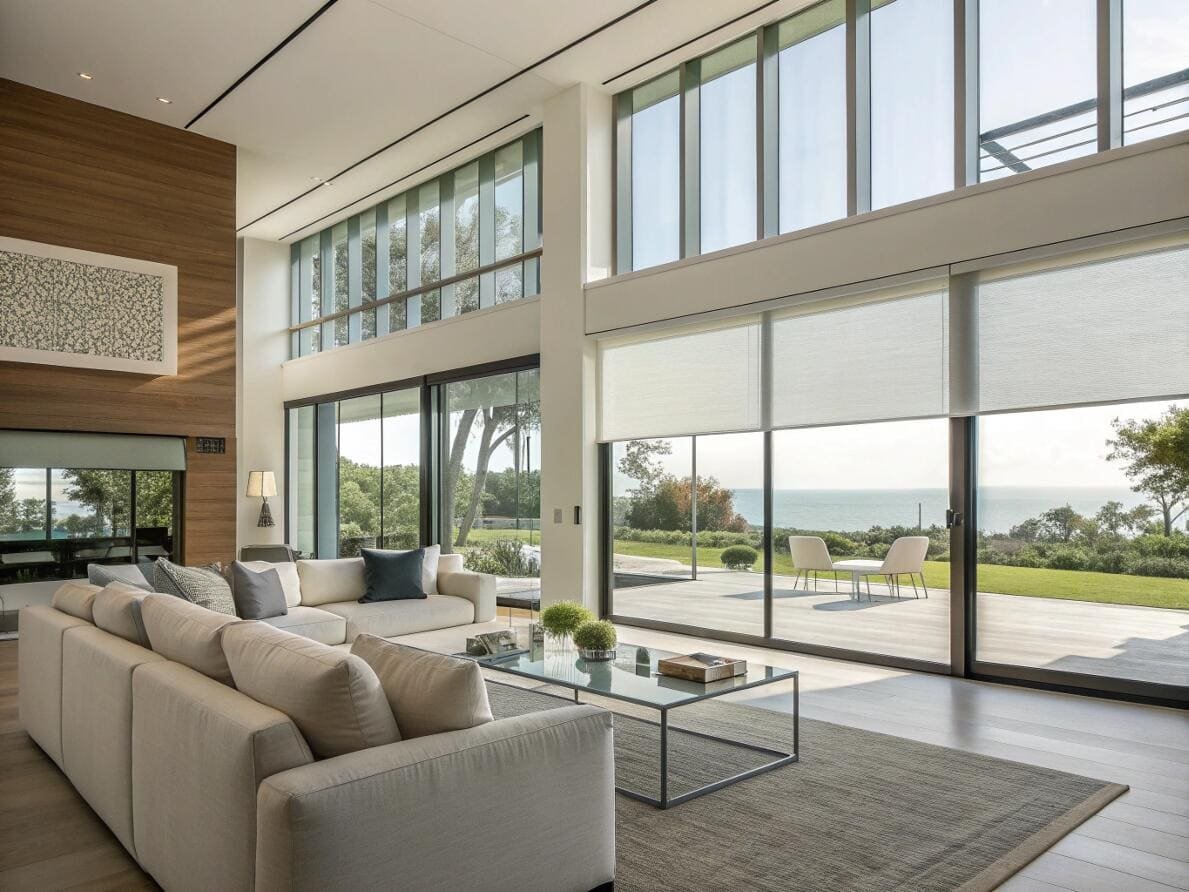
This is a great question because the terms are often used interchangeably, but they offer different benefits for a design project.
Motorized Blinds: These include products like Venetian blinds, wood blinds, or vertical blinds. Their key feature is the ability to tilt the slats. This gives you very precise control over both light and privacy. You can angle the slats to block direct sun while still letting ambient light into the room. They provide a more structured, architectural look.
Motorized Shades: This category includes roller shades, cellular (honeycomb) shades, and Roman shades. They are made from a continuous piece of fabric. Light control is achieved by raising or lowering the entire shade. The benefit here is the wide variety of fabric options, from sheer to light-filtering to complete blackout. Cellular shades, in particular, also offer excellent insulation, which adds to the energy efficiency benefits of motorization.
For my project partners, the key takeaway is that both types can be motorized and seamlessly integrated into smart home systems like Google Home, Amazon Alexa, or a full BMS. The choice comes down to the aesthetic and the specific type of light control the project requires.
Conclusion
Motorized blinds are a valuable investment, offering convenience, safety, and energy efficiency. They are no longer a luxury but a core component of modern, intelligent building design and a smart project choice.
---

[^1]: Find out how motorized blinds can enhance the functionality of building management systems for better control.
[^2]: Learn about innovative solutions for managing hard-to-reach windows effectively.
[^3]: Understand the safety benefits of motorized blinds, especially in homes with children or pets.
[^4]: Discover the functionality and maintenance needs of battery-powered blinds for your projects.
[^5]: Learn how solar panels can enhance the efficiency of motorized blinds and reduce maintenance.
Partner with VelaBlinds for Your Next Project
Smart window treatments shouldn't be complicated. After working with 500+ distributors and contractors worldwide, I've streamlined the process to get you quality products, competitive pricing, and reliable support - every time.
Why project professionals choose VelaBlinds:
- ✅ Fast, Accurate Quotes - Detailed specs and pricing within 24 hours
- ✅ Transparent Pricing - No hidden fees, volume discounts clearly outlined
- ✅ Quality Assurance - Direct partnerships with certified OEM manufacturers
- ✅ Project Support - Dedicated account manager from quote to delivery
Start your next project:
📧 Quick Quote: Send your requirements to info@velablinds.com
📱 Direct Contact: WhatsApp +86 137 2012 8317
🌐 Browse Solutions: https://velablinds.com/
📁 Product Resources: Access spec sheets, catalogs & project files
Paul Chen, Founder
"I built VelaBlinds to solve the real challenges I faced as a project buyer - long lead times, unclear specs, and unreliable suppliers. Let's discuss how we can power your projects with smarter blinds."
Serving distributors and contractors across North America, Europe, and Australia since 2018.